AI App Builders
AI app and website builders — vibe coding tools that turn a plain-language prompt into a working app or site. Compare full-stack builders like Lovable, Bolt, and v0 with AI website builders and no-code platforms.
Our editors' top AI App Builders picks for 2026 are Lovable (best for Going from idea to a deployed full-stack app fastest), Bolt.new (best for Building and editing web apps entirely in the browser), and v0 (best for Production React/Next.js UI that fits the Vercel stack). All 27 tools in this category are hand-reviewed and re-checked each edition — the full ranked directory is below.


Where to start

Lovable
No-Code / Low-Code
Freemium
4.92
508

Bolt.new
No-Code / Low-Code
Freemium
4.92
384

v0
No-Code / Low-Code
Freemium
4.92
460

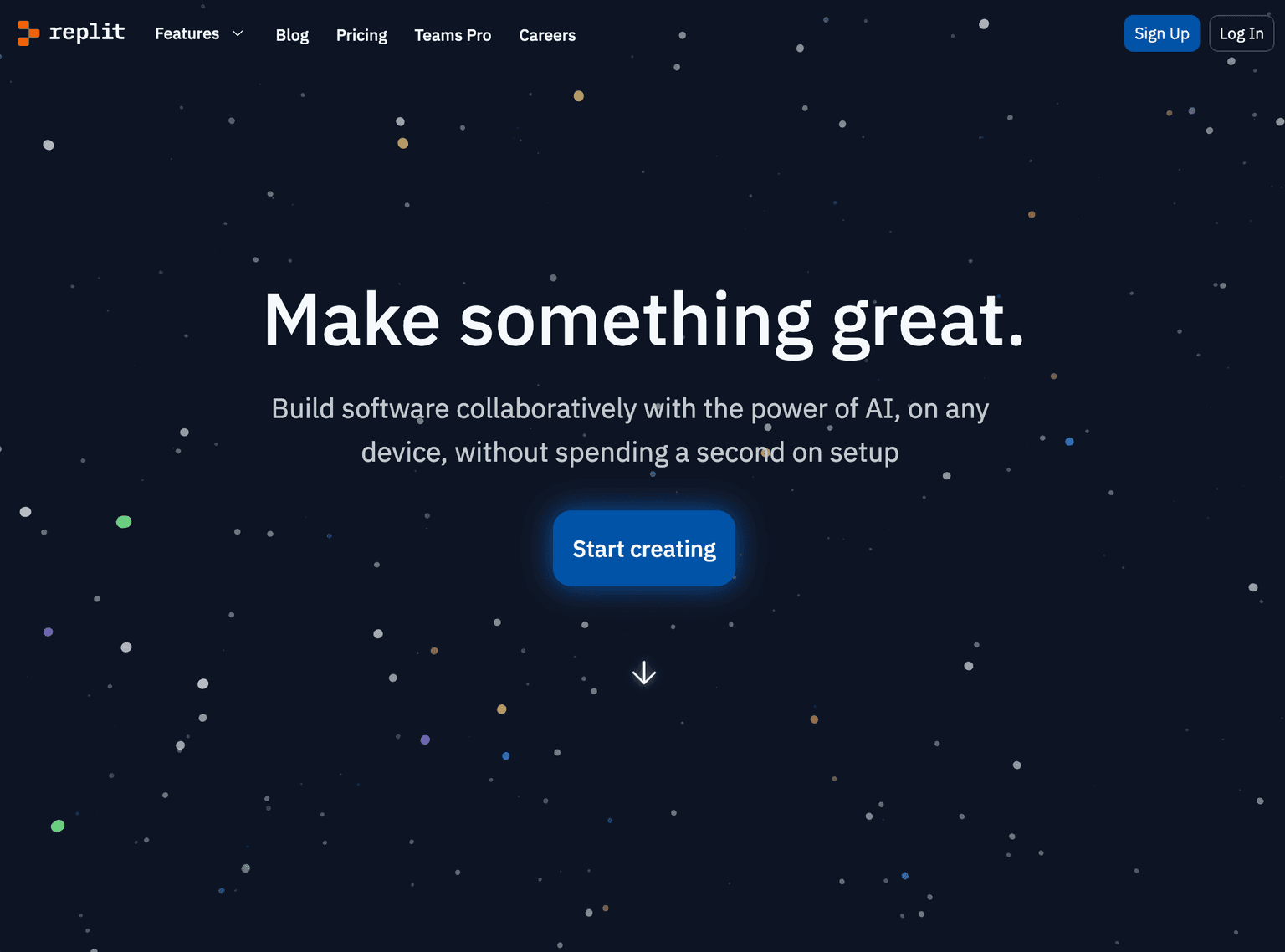
Replit
Developer Tools
Freemium
4.93
497
 Acquired
Base44
No-Code / Low-Code
Freemium
4.84
300
Emergent
AI Agents
Freemium
4.84
316
Sorted by

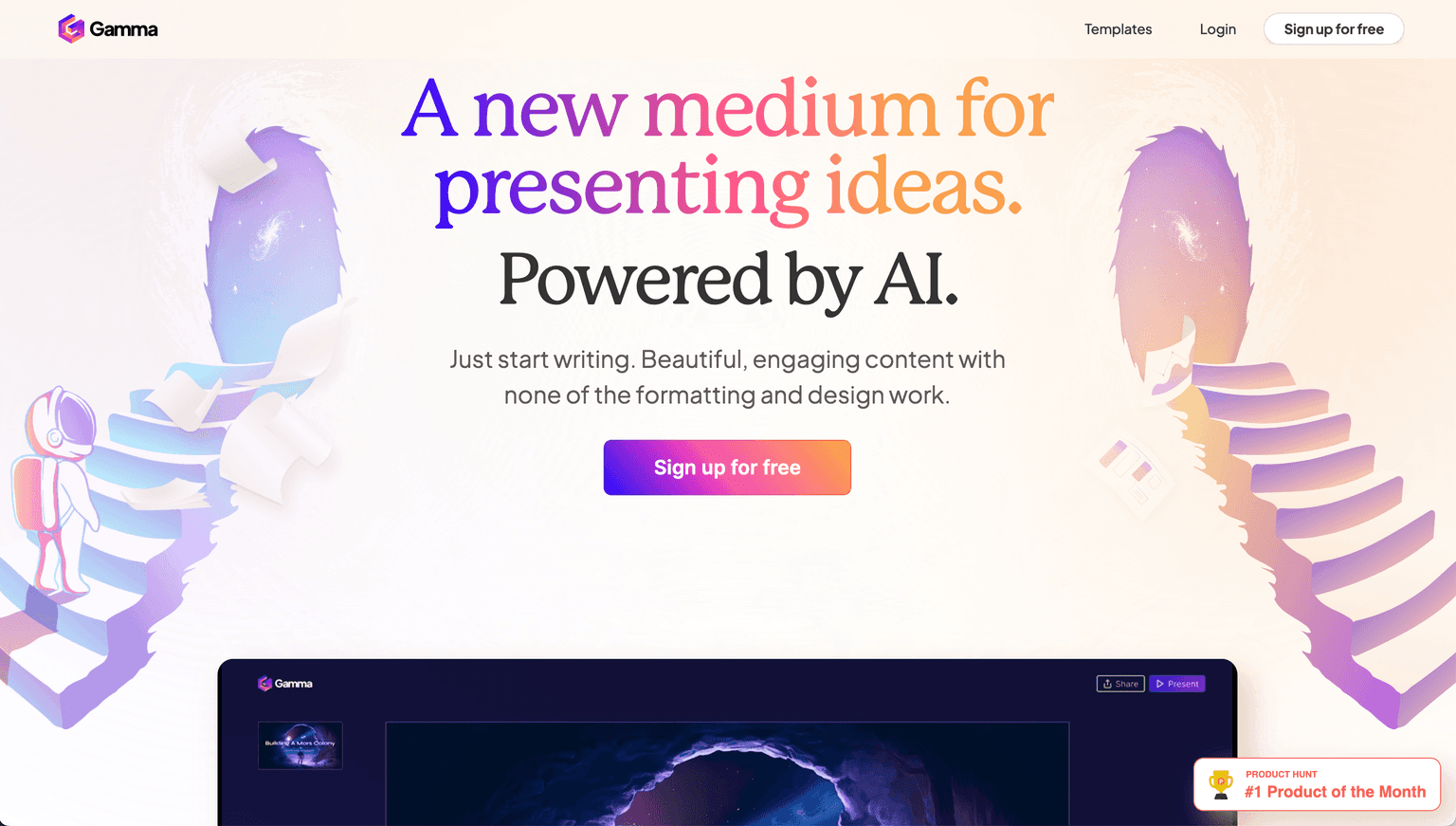
Gamma
AI presentation, document, and website builder with conversational Gamma Agent design partner.
Freemium
4.93
510
Lovable
Build full-stack apps and websites from a prompt — no coding required.
Freemium
4.92
508
Replit
AI agent that turns ideas into deployable apps in minutes — no coding required.
Freemium
4.93
497
Bubble
Powerful no-code platform for creating digital products.
Paid - Inquire
4.93
480
v0
Vercel collaborative assistant that designs, ships full-stack web apps fast.
Freemium
4.92
460

Elementor
Leading website builder for WordPress professionals.
Paid - Inquire
4.86
400
Bolt.new
Build websites and apps from your words right in the browser.
Freemium
4.92
384

Glide
Build custom AI-powered apps from spreadsheets without code — Glide combines a visual builder, prebuilt components, AI features, and role-based access for business apps.
Freemium
4.82
335

GitHub Spark
GitHub's AI-powered tool for creating and sharing micro apps from natural language prompts — type what you want, watch the app run live, iterate visually.
Paid - Inquire
4.82
335
Emergent
AI-powered app builder reaching 5M+ users and $100M+ ARR. Build and ship full-stack apps from natural-language prompts with code or no-code.
Freemium
4.84
316

MindStudio
No-code platform to build AI agents and apps without writing code. Visual workflow builder, multi-LLM support, and instant deployment.
Freemium
4.8
311
Glaze by Raycast
Glaze is an AI app builder from Raycast that turns chat prompts into native Mac apps that run locally.
Freemium
4.85
305

Quickbase
AI-native app platform where teams describe a process and Pave builds production-ready business apps.
Free Trial
4.85
302
AcquiredBase44
Base44 is an AI app builder that turns a plain-language description into a working full-stack app.
Freemium
4.84
300
Google Stitch
Google Stitch turns prompts, sketches and voice into multi-screen interface designs on an AI canvas, and exports the front-end code.
Free
4.85
290
Google Opal
Google Opal is a free no-code builder for chaining prompts, models and tools into shareable AI mini-apps.
Free
4.85
280

Dyad
Dyad is a free, open-source AI app builder that runs on your desktop, works with any model, and exports code you own.
Freemium
4.79
260

Durable
Durable offers a rapid website builder powered by AI, complemented by marketing, CRM, and invoicing tools.
Paid - Inquire
4.78
260
Dorik
No-code website builder with powerful features
Freemium
4.78
260

Anything
Anything is an AI app builder that turns a plain-English description into a mobile or web app with database, auth, and payments included.
Freemium
4.78
220

Builder.io
Builder.io is the AI design-to-code platform that converts Figma designs into production React, Vue, Angular, or Qwik code. Series A; design-eng teams.
Freemium
4.84
205

Trickle AI
AI agentic canvas for vibe coding — turn ideas into live apps and websites with built-in image/video generation, AI models, database, and design.
Freemium
4.6
185
Figma Make
Figma prompt-to-app builder that turns ideas into working interactive prototypes.
Freemium
4.84
179

PlayCode
PlayCode is an AI app builder that turns a chat description into a running site, store, portal, or internal tool on its own cloud.
Freemium
4.76
165
Magic Patterns
Magic Patterns is the AI UI generator from prompts and screenshots. a16z-backed YC alum; produces production-ready React from any design image.
Freemium
4.47
135

Wegic
Wegic is the conversational AI website builder — chat a description and Wegic generates the design, copy, and structure. 1,600 monthly US searches.
Freemium
4.43
135

Tempo Labs
AI-Driven Collaboration and Code Generation
Paid - $20 /mo
4.58
106
AI App Builders AI, answered
What is an AI app builder?
An AI app builder turns a plain-language description into a working application — it generates the interface, the code, and usually the hosting. Instead of dragging blocks like classic no-code tools, you describe what you want ("a booking site for my studio with payments") and iterate by chatting. Popular examples include Lovable, Bolt.new, v0, and Replit Agent.
What is vibe coding?
Vibe coding is building software by describing it to an AI and reviewing the result, rather than writing the code yourself. The term took off in 2025 after Andrej Karpathy used it to describe fully AI-driven development. Vibe coding tools range from consumer app builders (Lovable, Bolt) to agentic IDEs used by professional developers.
AI app builder vs. no-code platform — what is the difference?
Classic no-code platforms (Bubble, Glide) give you visual editors and pre-built components; you assemble the app yourself. AI app builders generate the app from a prompt and let you refine it conversationally. The lines are blurring — most no-code platforms have added AI generation, and most AI builders export or host real code, which avoids traditional no-code lock-in.
Can AI app builders create production-ready apps?
For prototypes, internal tools, landing pages, and small SaaS products — yes, teams ship real revenue-generating apps from them daily. For complex products, generated code still needs engineering review for security, performance, and maintainability. A common path is prototyping in an AI builder, then moving to an AI coding assistant like Cursor or Claude Code once the codebase matures.




Sign up for our newsletter
Receive weekly updates so you can stay up-to-date with the world of AI
Sign up for our newsletter
Receive weekly updates so you can stay up-to-date with the world of AI
The AI tools directory for discovering, exploring, and comparing the most innovative AI tools in the industry