Pinecone
Pinecone: Transforming Vector Search for Enhanced Data Retrieval
Overview
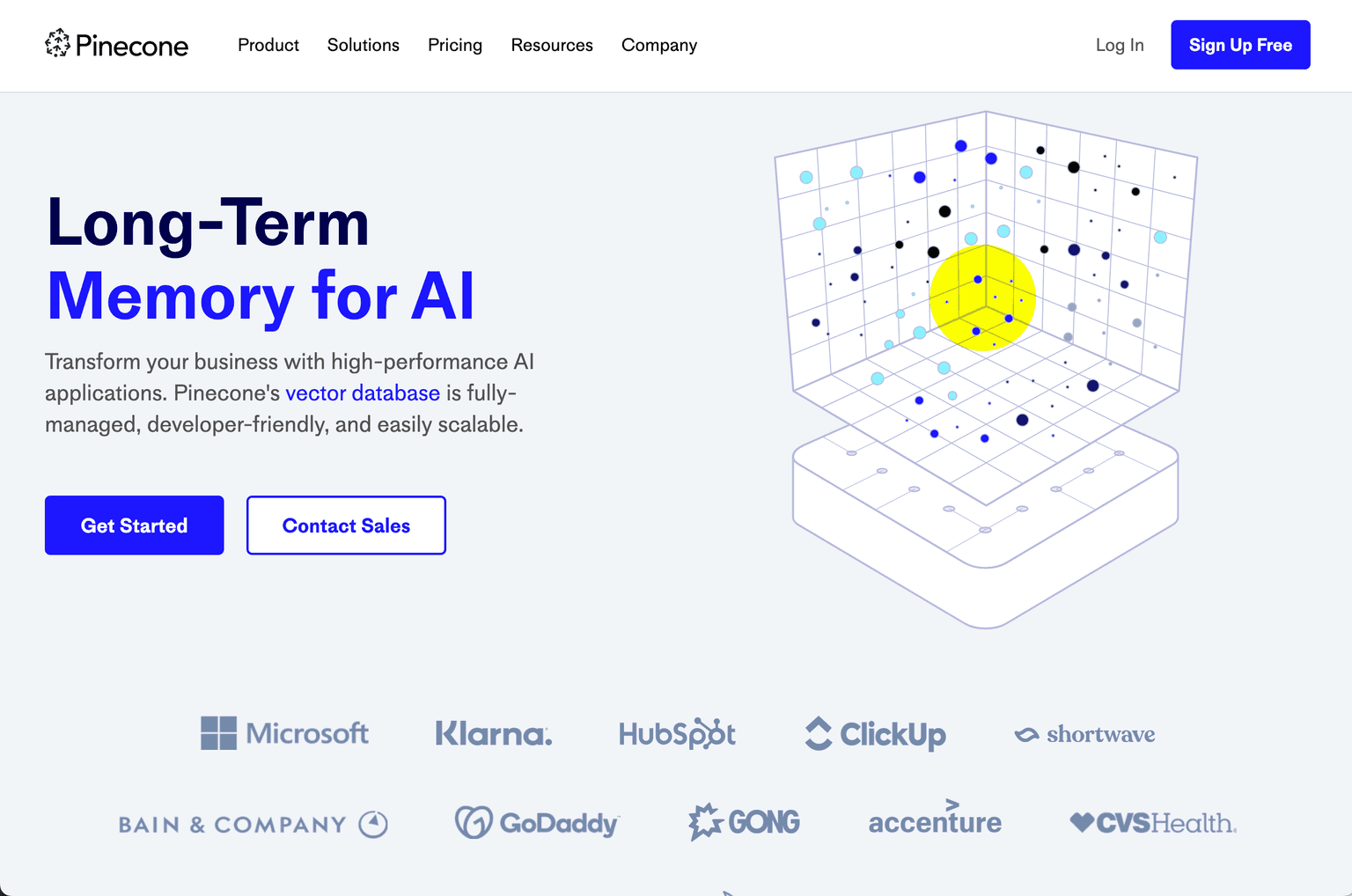
Pinecone is a vector search service that empowers developers and businesses to build and scale machine learning applications. By leveraging vector embeddings, Pinecone simplifies the process of retrieving similar items from large datasets, ensuring accurate and efficient results.
Key Features:
- Scalable Vector Search: Handle billions of vectors without compromising on speed or accuracy.
- Fully Managed Service: No need to manage infrastructure or operations.
- Real-time Indexing: Update and search vectors in real-time.
- Multi-cloud and On-premises Deployment: Flexibility in deployment options.
- End-to-End Encryption: Ensuring data security and compliance.
Ideal Use Case:
Developers and businesses that handle large datasets and require efficient search capabilities would benefit immensely from Pinecone. Whether it's for e-commerce product recommendations, content discovery, or any other application where similarity search is crucial, Pinecone offers a robust solution.
Why use Pinecone:
- Efficiency: Retrieve similar items from vast datasets in milliseconds.
- Accuracy: Leverage advanced algorithms for precise results.
- Scalability: From thousands to billions of vectors, Pinecone scales with your needs.
- Security: With end-to-end encryption, your data remains protected.
- Ease of Use: Simple integration with existing systems and applications.
tl;dr:
Pinecone offers a scalable vector search service, making it easier for developers and businesses to retrieve similar items from large datasets quickly and accurately. With features like real-time indexing and end-to-end encryption, it's a go-to solution for efficient data retrieval.
FAQ
What does Pinecone do? Pinecone is a vector search platform designed to enhance data retrieval for AI applications. It enables developers to build systems that understand and search through data more intelligently using vector embeddings.
Who should use Pinecone? Pinecone is built for developers and teams working on AI infrastructure projects who need powerful vector search capabilities to improve how their applications find and retrieve relevant information.
What is the pricing model for Pinecone? Pinecone operates on a paid pricing model. Visit the Pinecone pricing page for current plans and to inquire about costs that fit your specific use case.
How does Pinecone compare to similar tools? Pinecone focuses specifically on vector search and data retrieval optimization, while alternatives like Vercel AI SDK, Grok, and fal.ai may offer different approaches to AI infrastructure. Your choice depends on whether you need dedicated vector database capabilities or integrated AI platform features.
Related
Looking for more options? Browse the AI Infrastructure directory or read our best AI infrastructure tools listicle. Pinecone has a Wikipedia entry and is tracked on Crunchbase.
Why Use Pinecone
Editorial Review
Our take on Pinecone.

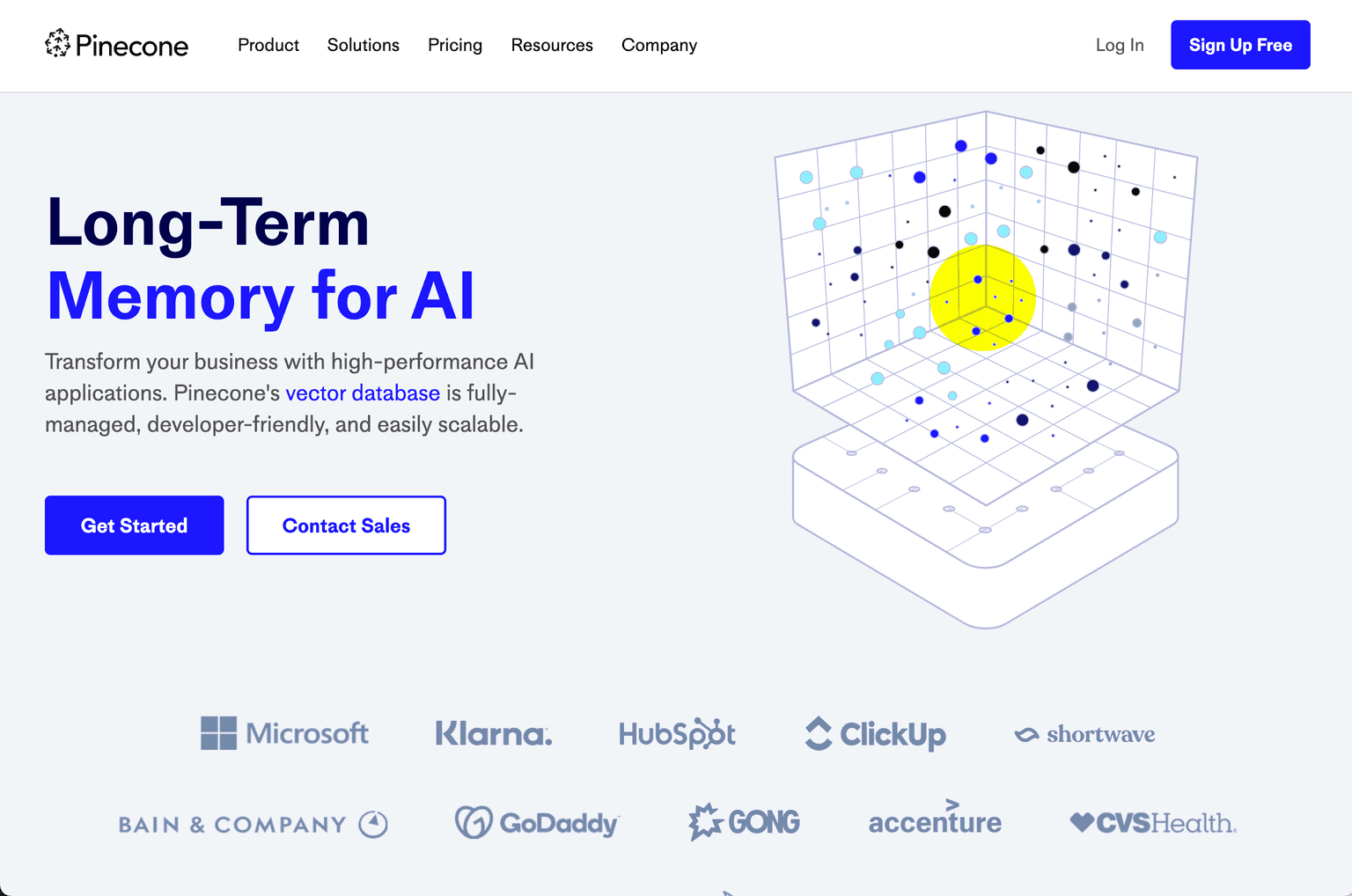
Pinecone is a vector database built for retrieval-augmented generation, handling semantic search and embeddings at scale.
What works
- Managed infrastructure removes database operations overhead
- Built-in support for semantic search and similarity queries
- High community rating reflects user satisfaction in production
What doesn't
- Vendor lock-in; migrating embeddings to another database is heavy
- Pricing opacity makes budgeting uncertain at scale
Pinecone stores and queries vector embeddings—the numerical fingerprints of text, images, and other data—making it useful for RAG systems where you need to find contextually similar information fast. It's designed to sit between your application and a language model, letting you inject relevant documents or memories into prompts without overwhelming token limits. The service handles indexing, scaling, and low-latency retrieval in the background, which matters when you're building chatbots, recommendation engines, or knowledge systems that need to stay responsive.
What draws teams to Pinecone is the managed infrastructure angle: you don't have to run and tune a vector database yourself. It abstracts away sharding, replication, and performance tuning. It's a solid fit if you want operational simplicity and don't want to self-host—the tradeoff is vendor lock-in and pricing that scales with your data volume and query load.
User Reviews
Similar Tools