Best AI Development Frameworks (2026)






Best AI Development Frameworks in 2026
If you're researching the best AI development frameworks in 2026, the category has split into two distinct generations of tooling that engineers often need both of. Classical ML frameworks (PyTorch, TensorFlow) for training and fine-tuning models. LLM application frameworks (LangChain, LlamaIndex, Hugging Face Transformers) for building applications on top of pre-trained foundation models. The 2026 reality is that serious AI engineering work uses both — pre-trained models from one stack, customization and orchestration from the other.
This guide covers the seven AI development frameworks every engineering team should know in 2026: PyTorch, TensorFlow, Hugging Face, LangChain, LlamaIndex, Modal, and Kubeflow. Each is rated on its lane, what it ships in production, and where the honest limitations sit.
The Three Lanes of AI Development Frameworks in 2026
- Model training and fine-tuning — frameworks for building ML models from scratch or fine-tuning existing ones. Leaders: PyTorch, TensorFlow.
- LLM application development — frameworks for building applications on top of pre-trained foundation models (GPT, Claude, Llama). Leaders: Hugging Face Transformers, LangChain, LlamaIndex.
- Deployment and orchestration — infrastructure for running ML/AI workloads in production. Leaders: Modal, Kubeflow.
Most AI engineering teams in 2026 use one tool from each lane. The shift since 2023 is that LLM application frameworks have become as important as the classical ML frameworks — you don't need PyTorch to ship a useful AI product, but you do need LangChain or LlamaIndex.
Quick Comparison
| Tool | Best for |
|---|---|
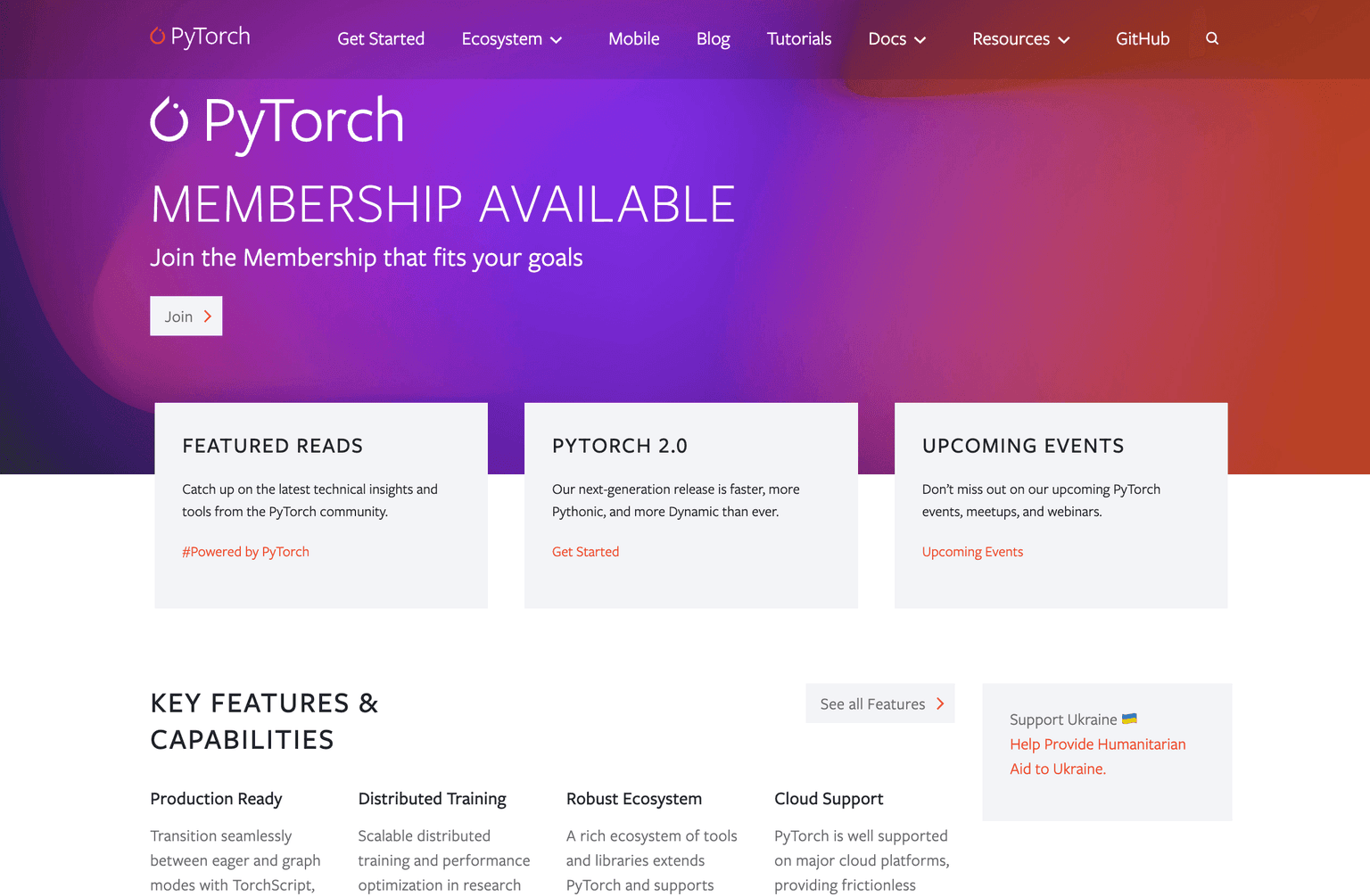
| PyTorch | Dominant ML training framework. Best for research, custom model training, and teams comfortable with Python-first ML. |
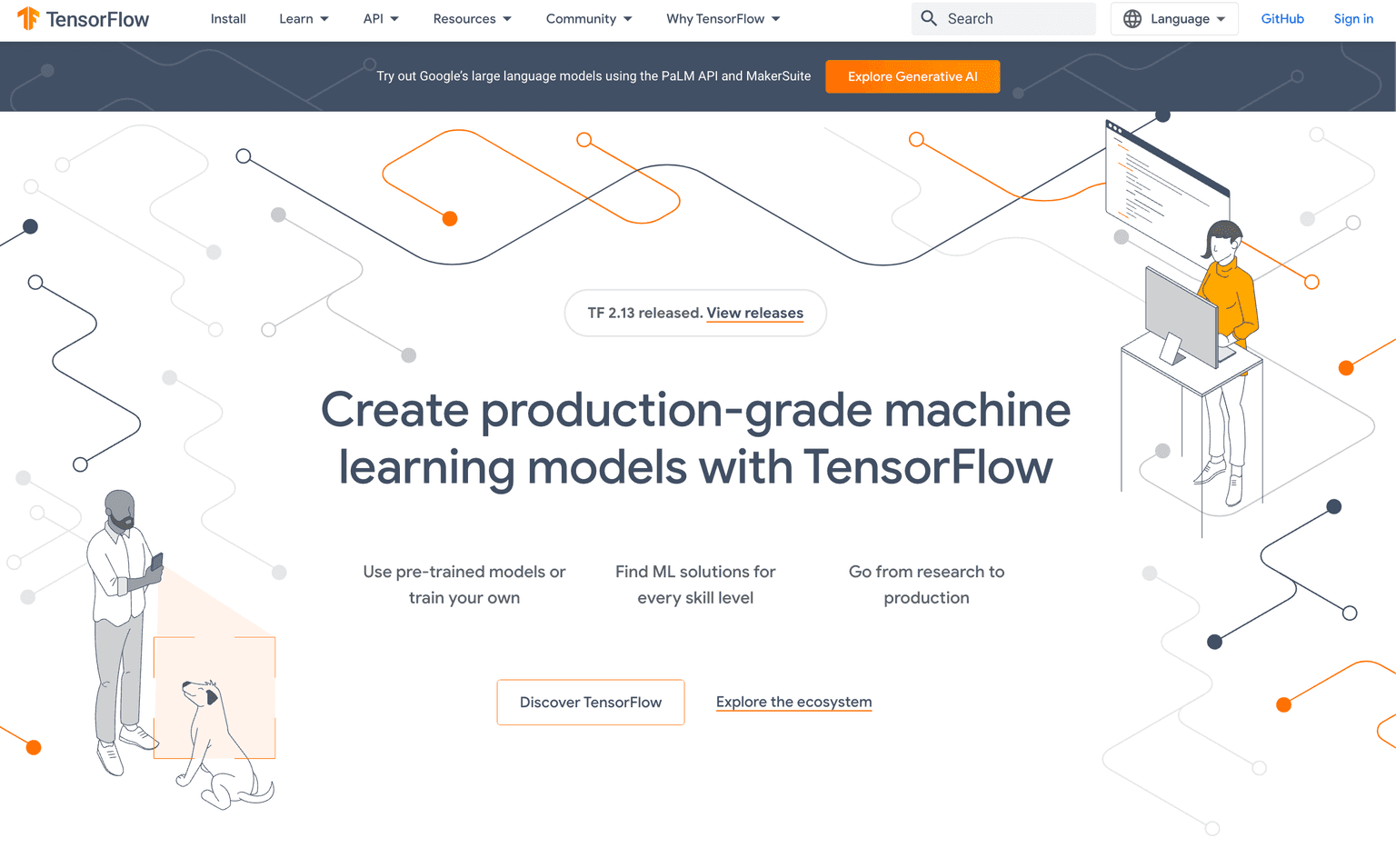
| TensorFlow | Production-focused ML framework. Best for teams deploying classical ML at enterprise scale, particularly with TensorFlow Serving / TFX. |
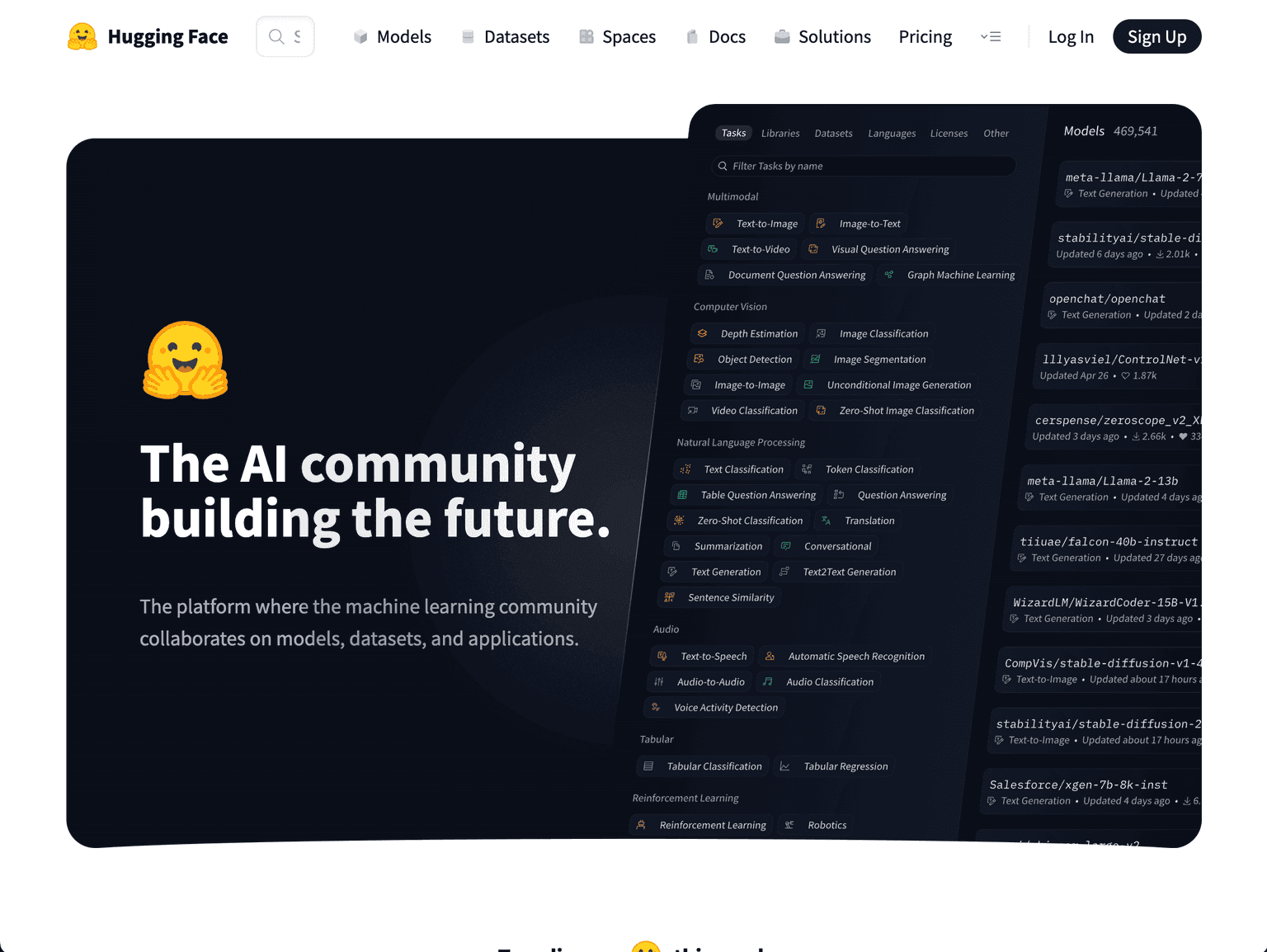
| Hugging Face | Model hub + Transformers library. Best as the entry point for working with pre-trained models — the most-used resource in modern AI engineering. |
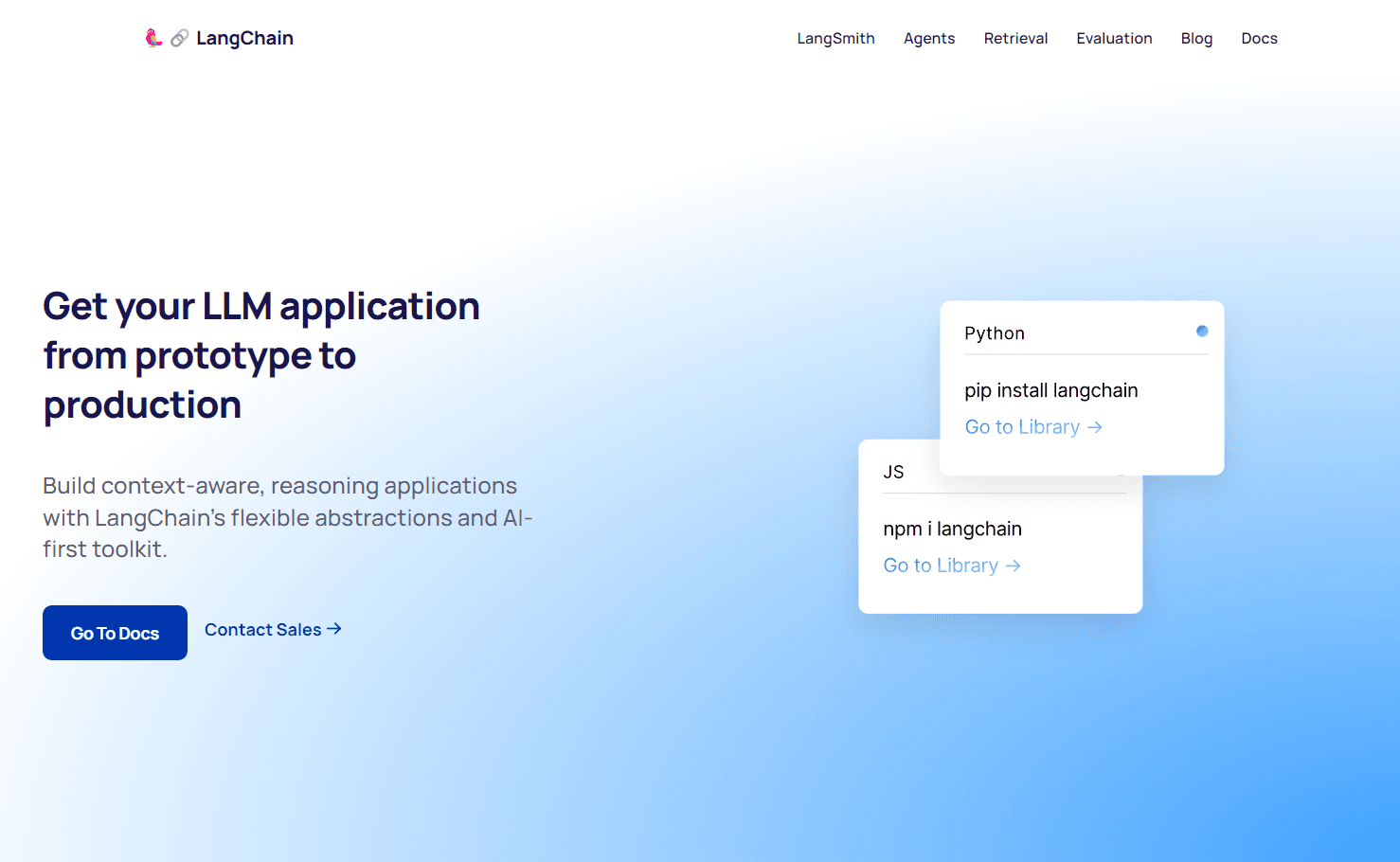
| LangChain | LLM application framework. Best for building agents, chains, and tool-using AI applications across multiple LLM providers. |
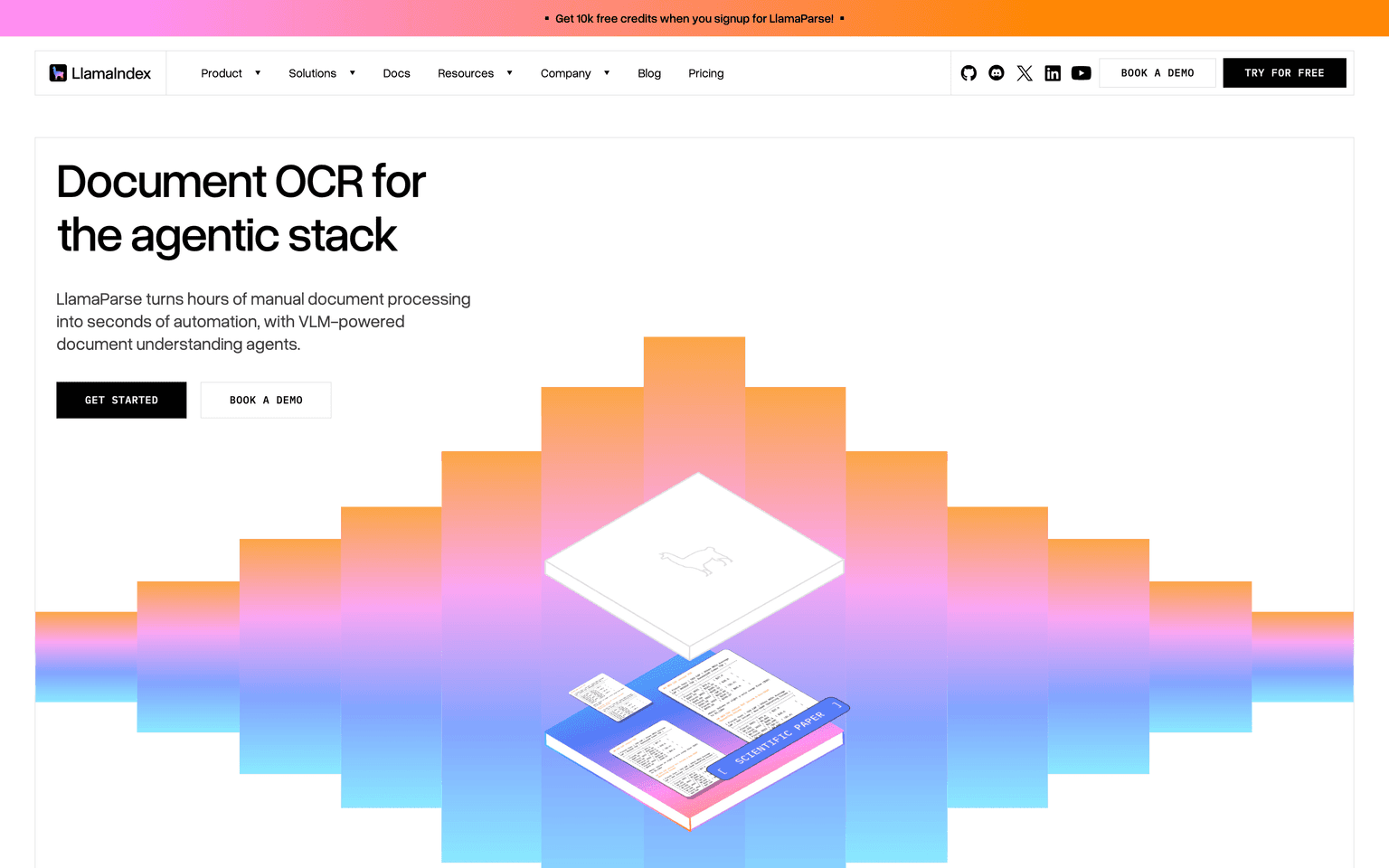
| LlamaIndex | RAG framework. Best for retrieval-augmented generation: ingesting data, building indexes, and grounding LLM responses in your own documents. |
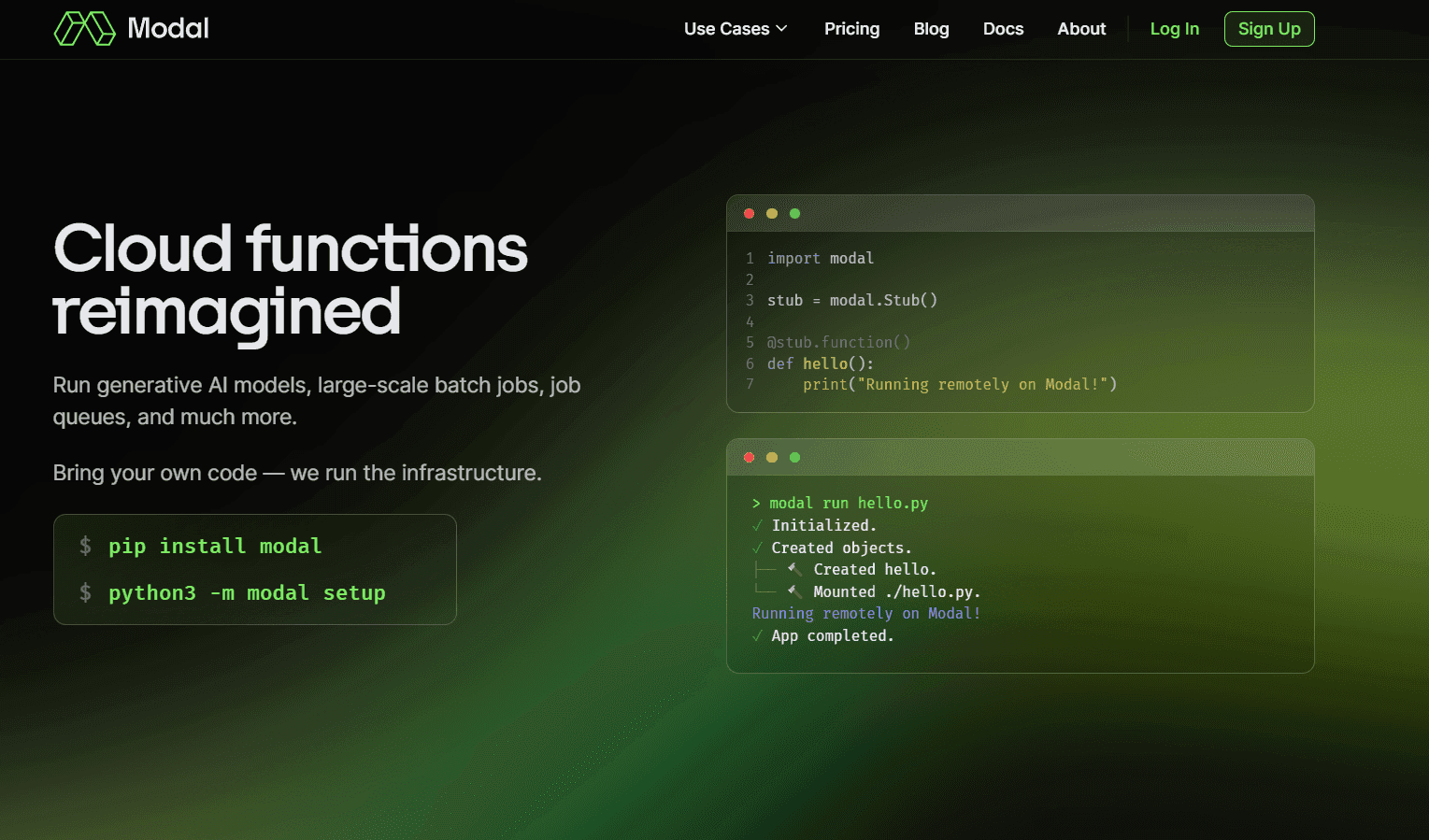
| Modal | Serverless ML deployment. Best for engineers wanting to deploy ML/LLM workloads without managing GPUs, Kubernetes, or container orchestration. |
| Kubeflow | ML on Kubernetes. Best for organizations already running on K8s wanting end-to-end ML pipelines from data to deployment. |
Model Training and Fine-Tuning
The classical ML training lane. PyTorch and TensorFlow have been the duopoly since 2018; the 2024–2026 LLM era hasn't displaced them — most production fine-tuning still happens in PyTorch (with Hugging Face on top), and TensorFlow remains heavily deployed in classical-ML production stacks.
1. PyTorch — The Default Research and Training Framework
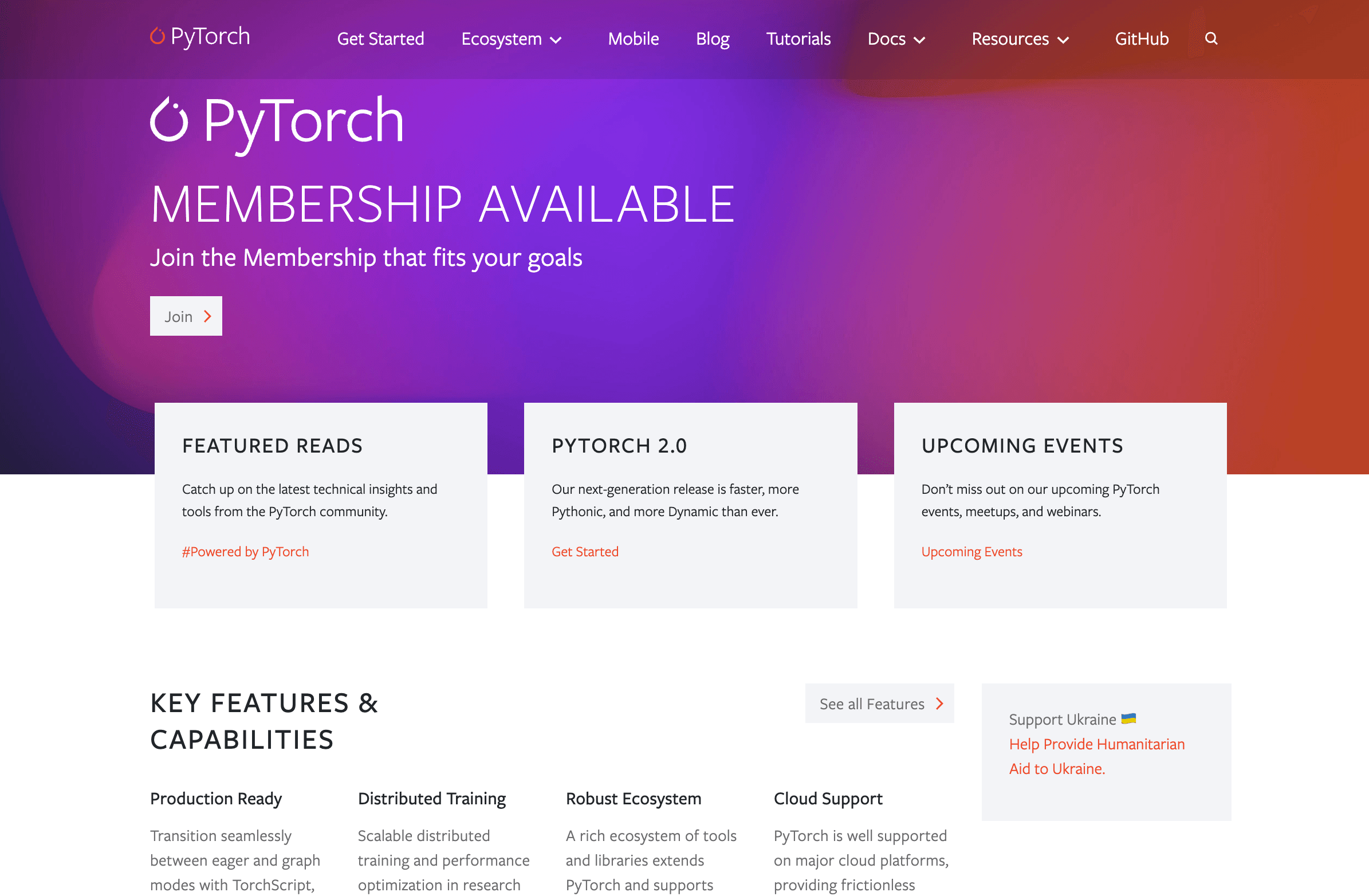
PyTorch is the dominant ML training framework in 2026 — used by the vast majority of academic research, virtually every major AI lab, and most production fine-tuning workflows. The dynamic computation graph (vs TensorFlow's older static-graph approach) made PyTorch friendlier for research, and that lead compounded as research-to-production paths shortened. Combined with Hugging Face Transformers, PyTorch is the standard fine-tuning stack for foundation models.
What it wins at: research and experimentation, custom model architectures, fine-tuning open foundation models (Llama, Mistral, Qwen), and the deepest community + ecosystem in modern ML.
Where it falls down: production deployment of classical ML still leans TensorFlow at some enterprises (legacy TFX investment). Distributed training at very large scale requires extra tooling (DeepSpeed, FSDP, Ray) on top.
2. TensorFlow — Production ML at Enterprise Scale
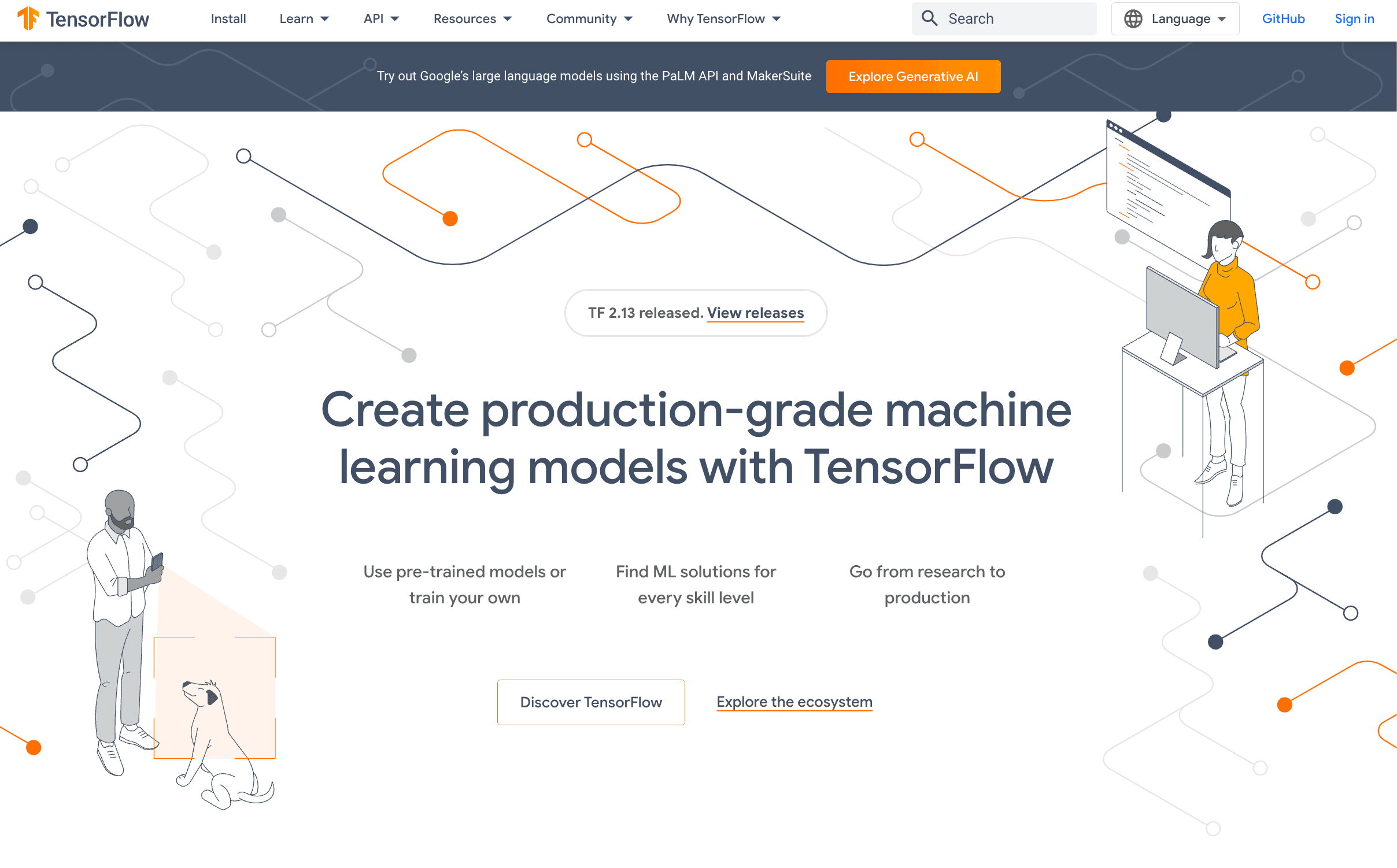
TensorFlow lost the research mindshare battle to PyTorch but remains heavily deployed in production at large enterprises that built ML platforms in the 2018–2022 era. TensorFlow Serving for low-latency inference, TFX for end-to-end pipelines, TensorFlow Lite for on-device deployment — the production tooling is mature and integrated with major cloud platforms (especially Google Cloud's Vertex AI).
What it wins at: production ML at enterprises with existing TensorFlow investment, on-device deployment via TFLite (mobile, embedded), and deep integration with Google Cloud's ML stack.
Where it falls down: new projects increasingly start in PyTorch even at TensorFlow-heavy organizations. Hiring is harder — the talent pool skews PyTorch.
LLM Application Development
The newer lane — and the one that grew most in 2024–2026. The premise: pre-trained foundation models (GPT, Claude, Llama) handle most of the heavy lifting; the framework provides scaffolding to integrate them with data, tools, and other models. This is what most "AI engineers" actually build with day-to-day in 2026.
3. Hugging Face — The Foundation Model Ecosystem
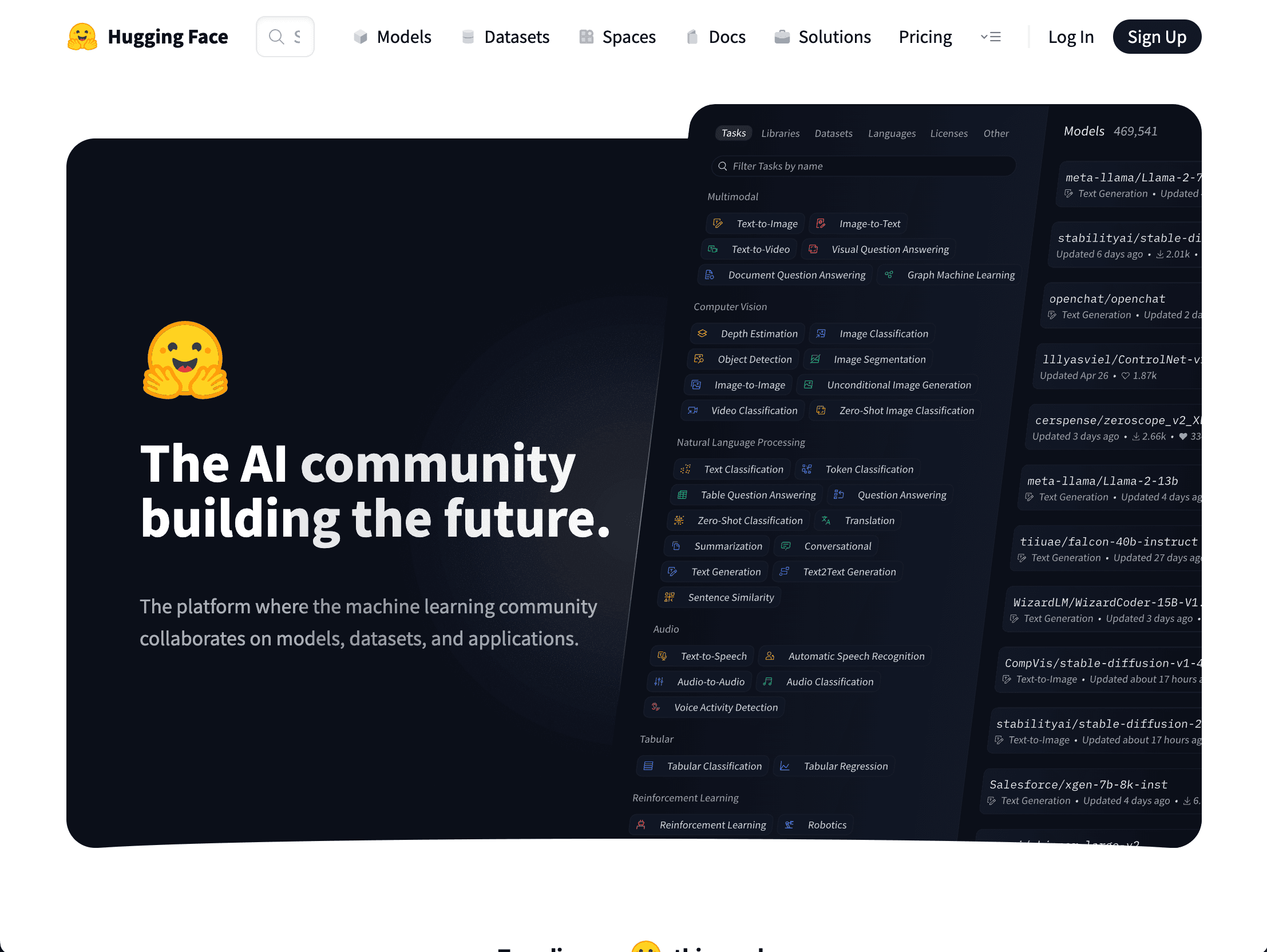
Hugging Face is the central ecosystem of modern AI engineering. The Transformers library is the de facto standard for working with pre-trained language models — load any of 2M+ models with from transformers import AutoModel. Datasets library, the Hub for sharing models, Spaces for hosting demos, Inference Endpoints for production deployment — Hugging Face owns the substrate the rest of the LLM ecosystem builds on.
What it wins at: working with any pre-trained model, fine-tuning workflows in combination with PyTorch, and the Hub as the discovery surface for any model an engineer needs.
Where it falls down: for production inference at scale, dedicated inference servers (vLLM, TGI) outperform vanilla Transformers. The library is broad; engineers sometimes need to compose multiple specialist tools on top of it.
4. LangChain — The LLM Application Orchestration Framework
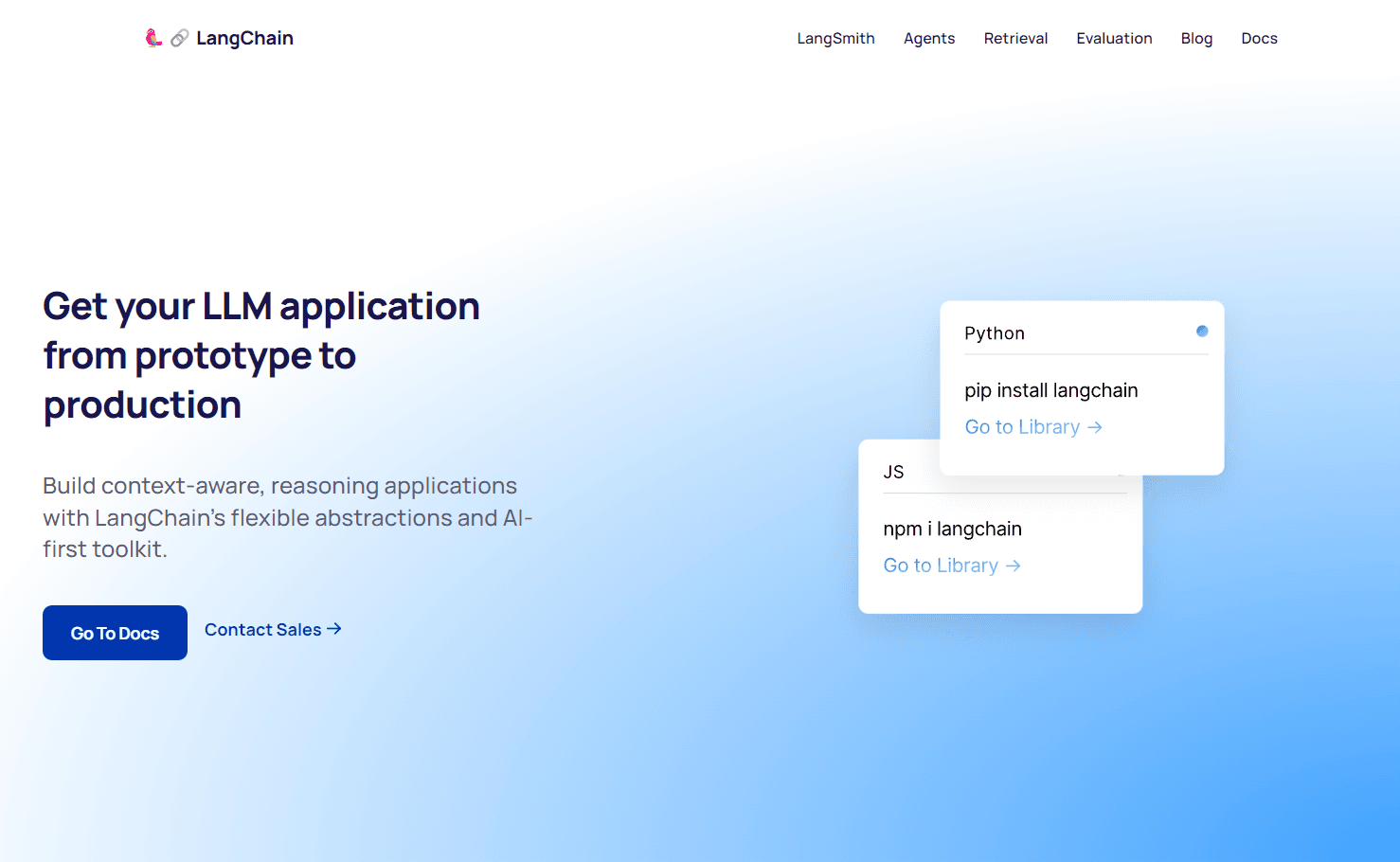
LangChain became the dominant LLM application framework in 2023 and has retained that position through 2026 despite vocal critics. The framework provides abstractions for chains (sequenced LLM calls), agents (LLMs that use tools), memory (conversation state), and retrieval (RAG patterns) — all multi-LLM-provider so you can swap GPT for Claude for Llama without rewriting.
What it wins at: building agents and multi-step LLM applications, prototyping rapidly across multiple providers, and the broadest community / integration ecosystem in the LLM-application lane.
Where it falls down: the abstraction overhead is real — for simple LLM calls, raw API usage is faster and clearer. The framework has been criticized for over-abstraction; for production use cases, teams often graduate to lighter-weight tooling (LangGraph for agent control flow, custom orchestration) once their needs stabilize.
5. LlamaIndex — The RAG Framework
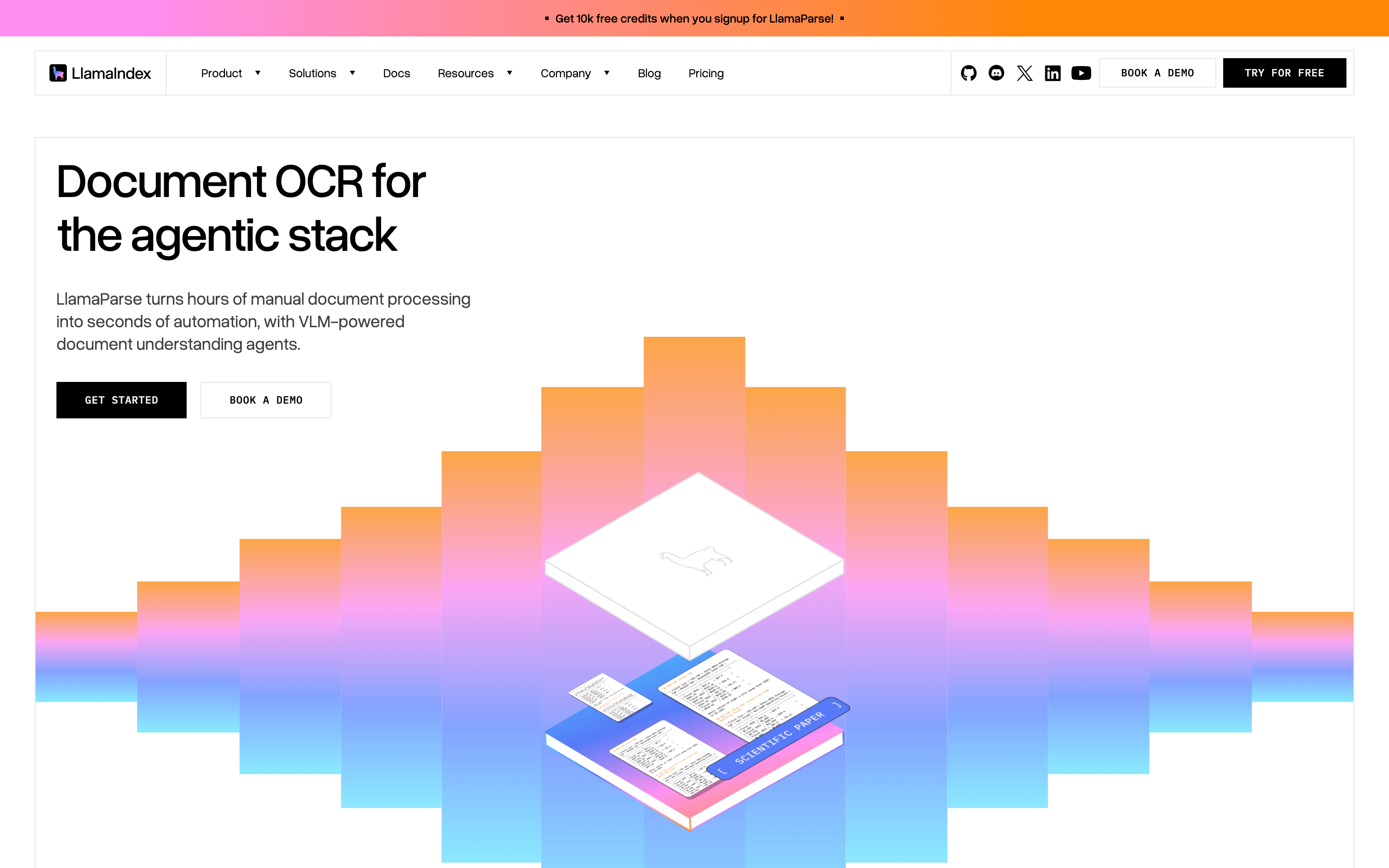
LlamaIndex specialized in retrieval-augmented generation (RAG) and built the strongest tooling for that specific use case. Where LangChain is broad (agents, chains, tools, RAG), LlamaIndex is deep (data ingestion, indexing strategies, query engines, response synthesis). For teams whose primary use case is grounding LLM responses in custom data, LlamaIndex's RAG-first design produces better results faster than building RAG flows in LangChain.
What it wins at: RAG specifically — production-quality retrieval-augmented generation, document Q&A, knowledge base assistants, and the data-ingestion pipelines RAG requires.
Where it falls down: narrower than LangChain for non-RAG use cases (agents, multi-step workflows). Many teams use both — LlamaIndex for the retrieval layer, LangChain for the orchestration on top.
Deployment and Orchestration
6. Modal — Serverless ML Deployment
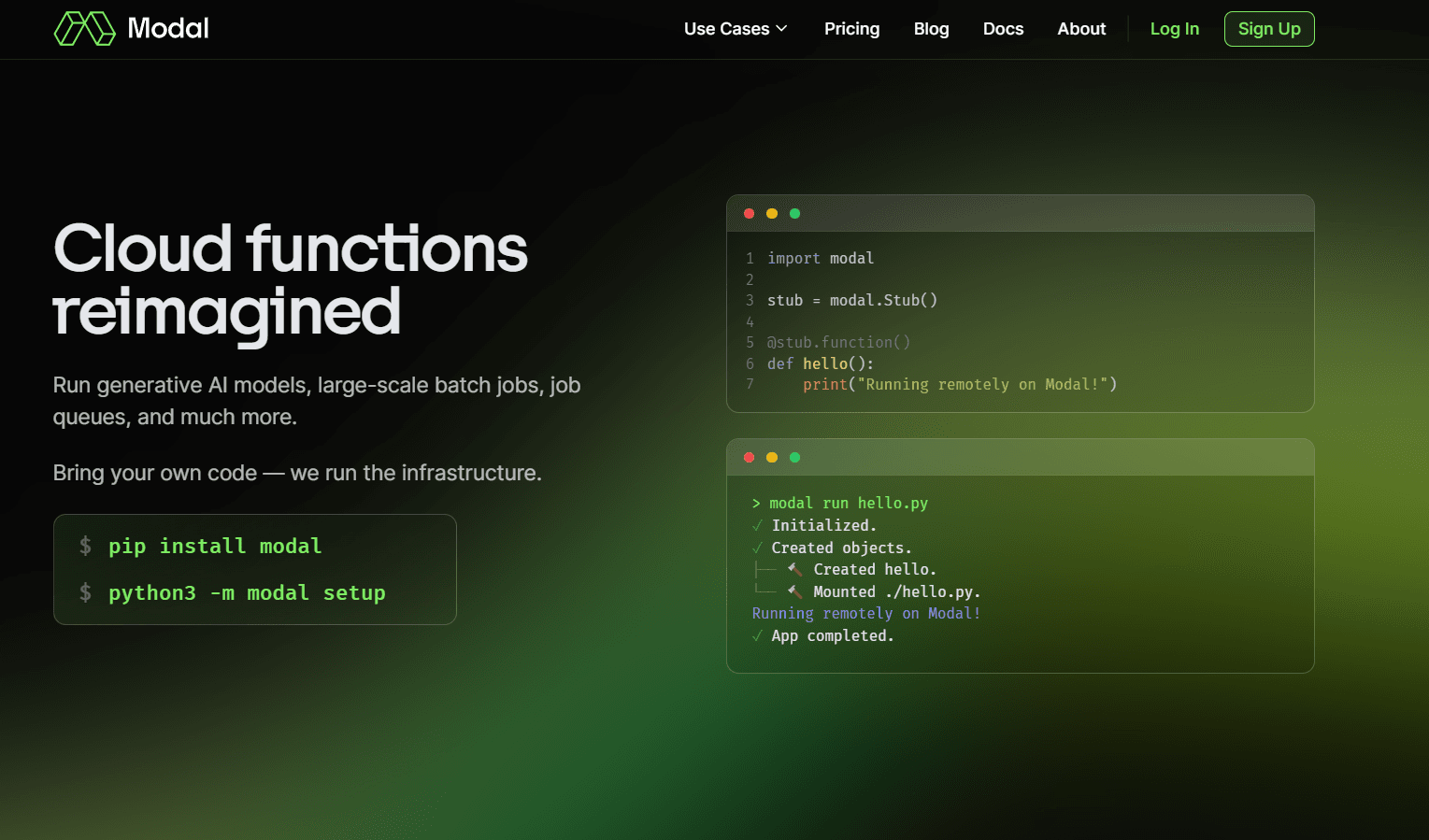
Modal handles the deployment problem most ML/AI engineers actually face: "I have a Python function that uses a GPU; please run it in production at scale without me managing Kubernetes." Decorate a Python function with @app.function(gpu="A100") and Modal handles container builds, GPU provisioning, autoscaling, and monitoring. For LLM inference, fine-tuning jobs, batch processing, and webhook-style ML APIs, Modal is the lowest-friction path from notebook to production.
What it wins at: ML and LLM deployment without container/Kubernetes overhead, GPU autoscaling, and the developer experience for ML engineers who don't want to learn DevOps.
Where it falls down: for very-large-scale workloads with custom orchestration needs, dedicated infrastructure (Kubernetes + custom controllers, or hyperscaler-managed services) gives more control. Modal's pricing scales with usage; high-volume workloads can outgrow it.
7. Kubeflow — ML on Kubernetes at Enterprise Scale
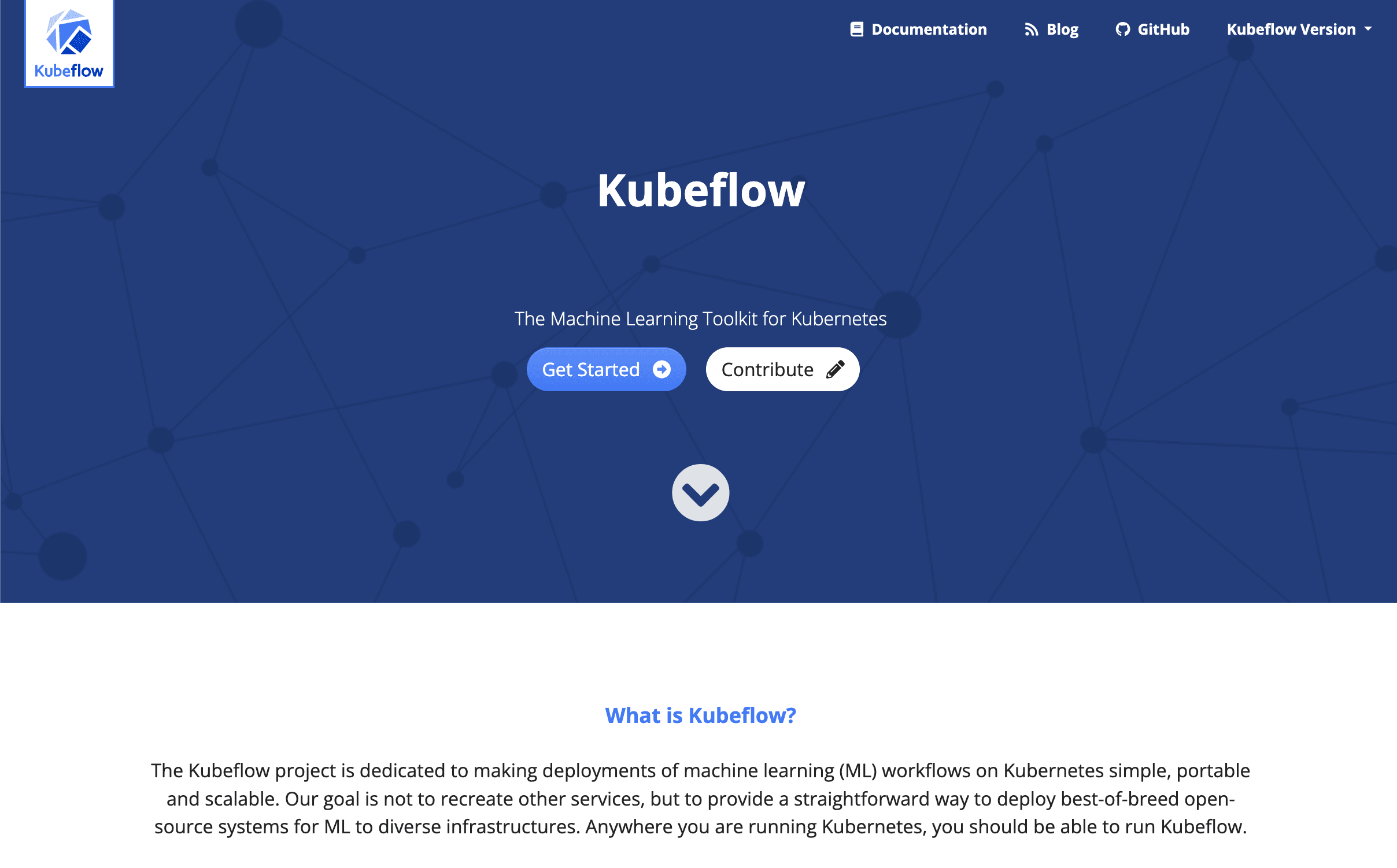
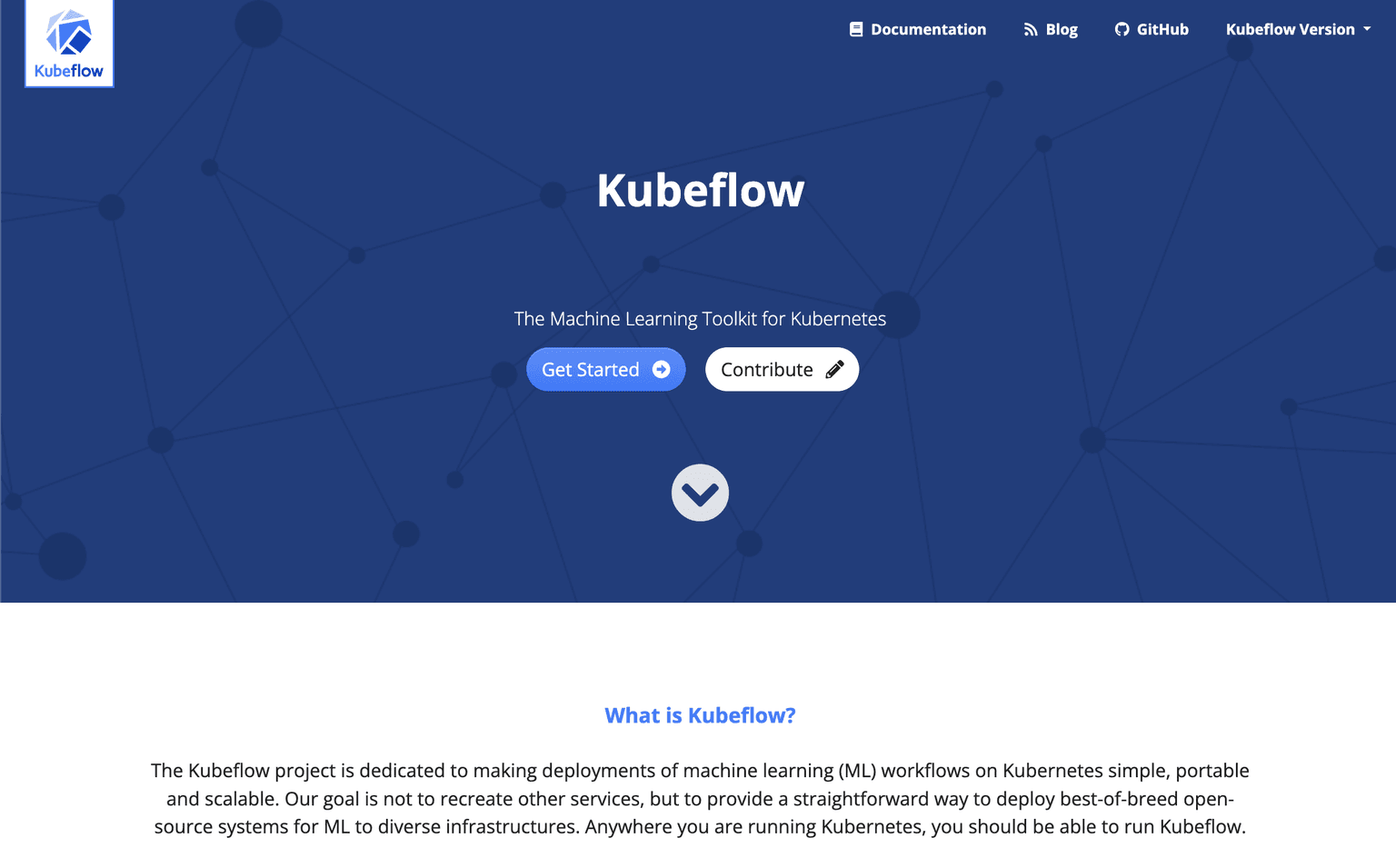
Kubeflow is the option for organizations already deeply on Kubernetes that want end-to-end ML pipelines on the same orchestration layer. Notebook environments, pipelines for repeatable ML workflows, hyperparameter tuning (Katib), model serving (KServe), and metadata tracking — all running on K8s. The integration depth pays back when you're at enterprise scale; the Kubernetes operational burden is real if you're not.
What it wins at: enterprises with deep Kubernetes investment and dedicated platform/ML-ops teams, end-to-end ML pipelines on a single orchestration layer, and on-prem or sovereign-cloud ML deployments where managed alternatives aren't available.
Where it falls down: Kubernetes operational overhead is significant. For mid-market teams without dedicated platform engineering, Modal or hyperscaler-managed services (Vertex AI, SageMaker) ship faster.
How to Build Your 2026 AI Development Stack
The practical 2026 stack for most AI engineering teams:
- For LLM application work (most teams): Hugging Face Transformers + LangChain + LlamaIndex + Modal. This stack ships AI-first products without classical ML training overhead.
- For custom model training: PyTorch + Hugging Face Transformers + Modal (or Kubeflow at enterprise scale).
- For classical ML production at enterprise scale: TensorFlow + Kubeflow stays the right answer where it's already deployed.
The biggest 2026 shift for traditional ML teams: most new AI projects don't need a from-scratch model. Foundation models (GPT, Claude, Llama, Mistral) are good enough that the work moves to grounding, fine-tuning, and orchestration — making LangChain, LlamaIndex, and Hugging Face more important than PyTorch for most engineers most of the time.
For adjacent reading, see our Must-Have Free AI Tools for Developers for the developer-tooling layer (Cursor, Cline, Continue.dev), Top 7 AI Coding Assistants for Engineering Teams for IDE-level AI, and Best AI Tools for Operations for the broader MLOps context (Weights & Biases, MLflow).
Frequently Asked Questions
Do I need PyTorch or TensorFlow in 2026 if I'm just building LLM apps? For most LLM application work — chatbots, agents, RAG systems — no. The pre-trained foundation models do the heavy lifting; you build on top with LangChain, LlamaIndex, and the LLM provider APIs directly. PyTorch becomes important when you need to fine-tune models on custom data or train from scratch.
Is LangChain over-engineered? It depends on the use case. For prototyping and complex agent workflows, LangChain's abstractions accelerate development. For simple production LLM calls, raw API usage is faster and clearer. The criticism is fair when LangChain's abstractions get in the way; many teams use it for prototyping and graduate to lighter approaches in production. Both choices are defensible.
LlamaIndex or LangChain for RAG? LlamaIndex if RAG is your primary use case; LangChain if RAG is one piece of a broader agent/orchestration system. Many teams use both — LlamaIndex's retrieval engines plugged into LangChain's broader orchestration.
What about JAX, Mojo, and the newer frameworks? JAX has a real research footprint (especially at Google DeepMind) but hasn't displaced PyTorch for production fine-tuning work. Mojo is genuinely interesting for high-performance numerical computing but still early-stage for production AI work. Keep an eye on both; bet on PyTorch + Hugging Face for current production decisions.
How do I deploy fine-tuned models at scale? For most teams: serialize via Transformers, deploy on Modal (managed) or vLLM/TGI on dedicated GPU infrastructure. For enterprise scale: Kubeflow + KServe, or hyperscaler-managed services (Vertex AI, SageMaker, Azure ML). The deployment-pattern choice depends on whether you have platform engineering capacity.
Are these frameworks free / open-source? Mostly. PyTorch (BSD), TensorFlow (Apache 2.0), Hugging Face Transformers (Apache 2.0), LangChain (MIT), LlamaIndex (MIT), Kubeflow (Apache 2.0) are all open-source. Modal is a managed cloud service with consumption-based pricing; the Python SDK is open-source but the infrastructure runs on Modal's platform.
Will general-purpose LLMs replace these frameworks? No — they're complementary. The LLMs are the models; the frameworks are how you integrate them into applications, ground them in data, and deploy them. As LLMs improve, the frameworks become more important (more model calls per app, more orchestration complexity), not less.
Final Thoughts
The AI development framework category in 2026 is bigger and more specialized than it was three years ago. The classical ML duopoly (PyTorch, TensorFlow) still rules training, but the LLM application lane (Hugging Face, LangChain, LlamaIndex) has emerged as equally important for the engineers actually shipping AI products.
For engineers starting on AI work today, the practical learning path is Hugging Face Transformers first (to work with pre-trained models), then LangChain or LlamaIndex depending on whether your use case is broad orchestration or RAG-specific, then Modal for deployment. PyTorch becomes important when you graduate to fine-tuning or custom model training. Most AI engineers in 2026 ship serious products before they need to write a single line of PyTorch.
Compare tools in this collection
Categories these tools span
More collections you may also like
Sign up for our newsletter
Receive weekly updates so you can stay up-to-date with the world of AI
Sign up for our newsletter
Receive weekly updates so you can stay up-to-date with the world of AI
The AI tools directory for discovering, exploring, and comparing the most innovative AI tools in the industry