Best AI Workflow Automation Tools (2026)







Best AI Workflow Automation Tools in 2026
The AI workflow automation tools worth buying in 2026 do something the 2023 generation could not: the agent inside the workflow makes a judgment call. It reads the email and decides what to do with it, looks up the account and proposes a refund, runs the report and writes the summary. "AI for operations" used to mean plugging an LLM into a help-desk queue; today it splits into three distinct categories solving three distinct problems — workflow automation and business-operations agents that run work end to end, AIOps tools that keep production systems healthy, and MLOps tools that ship and monitor the models powering everything else.
This guide covers the seven tools that actually move the needle across those three lanes: Workato, n8n, Zapier, UiPath, Dynatrace, Weights & Biases, and MLflow. Each is rated on what it ships in production, not what its homepage demos.
What changed since our last review (August 2026): the MLOps lane consolidated into infrastructure. CoreWeave completed its ~$1.7B acquisition of Weights & Biases in May 2025 — a company that had raised $250M across five rounds at a $1.25B valuation — bringing more than 1,400 customer organisations under a GPU-cloud owner. That is the pattern to watch when shortlisting: the tooling layer is being bought by the compute layer, which is good for integration and worth a question in procurement about roadmap independence. On the automation side the meaningful 2026 shift is that agentic execution moved from pilot to production, which makes blast-radius controls — approval gates, spend caps, scoped credentials — a procurement criterion rather than an afterthought.
The Three Lanes of "AI for Operations"
Most teams buying "operations AI" are solving one of three problems. Mixing the categories is the most common procurement mistake — and the reason a lot of 2024 "AI ops" budgets didn't return value:
- Business-operations automation: AI agents and workflow tools that execute the cross-system work humans currently do — onboarding, ticket triage, finance ops, RevOps, customer ops. Leaders: Workato, n8n, Zapier, UiPath.
- AIOps (observability and incident response): AI-powered platforms that watch your production systems, detect anomalies, and surface root cause before pages fire. Leader on this list: Dynatrace.
- MLOps (machine-learning operations): tooling for the team building and shipping ML models — experiment tracking, deployment, monitoring, model governance. Leaders: Weights & Biases, MLflow.
Keep these straight when you're shortlisting. A workflow-automation tool will never replace your AIOps platform, and an MLOps stack is useless if you don't ship models.
Quick Comparison: AI Workflow Automation and AIOps Tools
| Tool | Best for |
|---|---|
| Workato | Enterprise iPaaS + AI. Best for cross-system orchestration with agents. |
| n8n | Workflow automation. Best for self-hosted, technical teams, AI-native nodes. |
| Zapier | Workflow automation. Best for SMB and prosumer breadth, fastest to ship. |
| UiPath | RPA + agents. Best for legacy systems and structured back-office work. |
| Dynatrace | AIOps observability. Best for enterprise full-stack monitoring with AI root cause. |
| Weights & Biases | MLOps. Best for experiment tracking, evals, and LLMOps. |
| MLflow | MLOps. Best for the open-source ML lifecycle standard. |
Business-Operations Automation: AI Agents That Actually Run Work
This is the lane that changed most between 2024 and 2026. Workflow automation existed before AI; what's new is that the agent inside the workflow can now make judgment calls — read an email and decide what to do with it, look up an account and propose a refund amount, run a report and write the executive summary. The tools below are the ones doing this credibly in production.
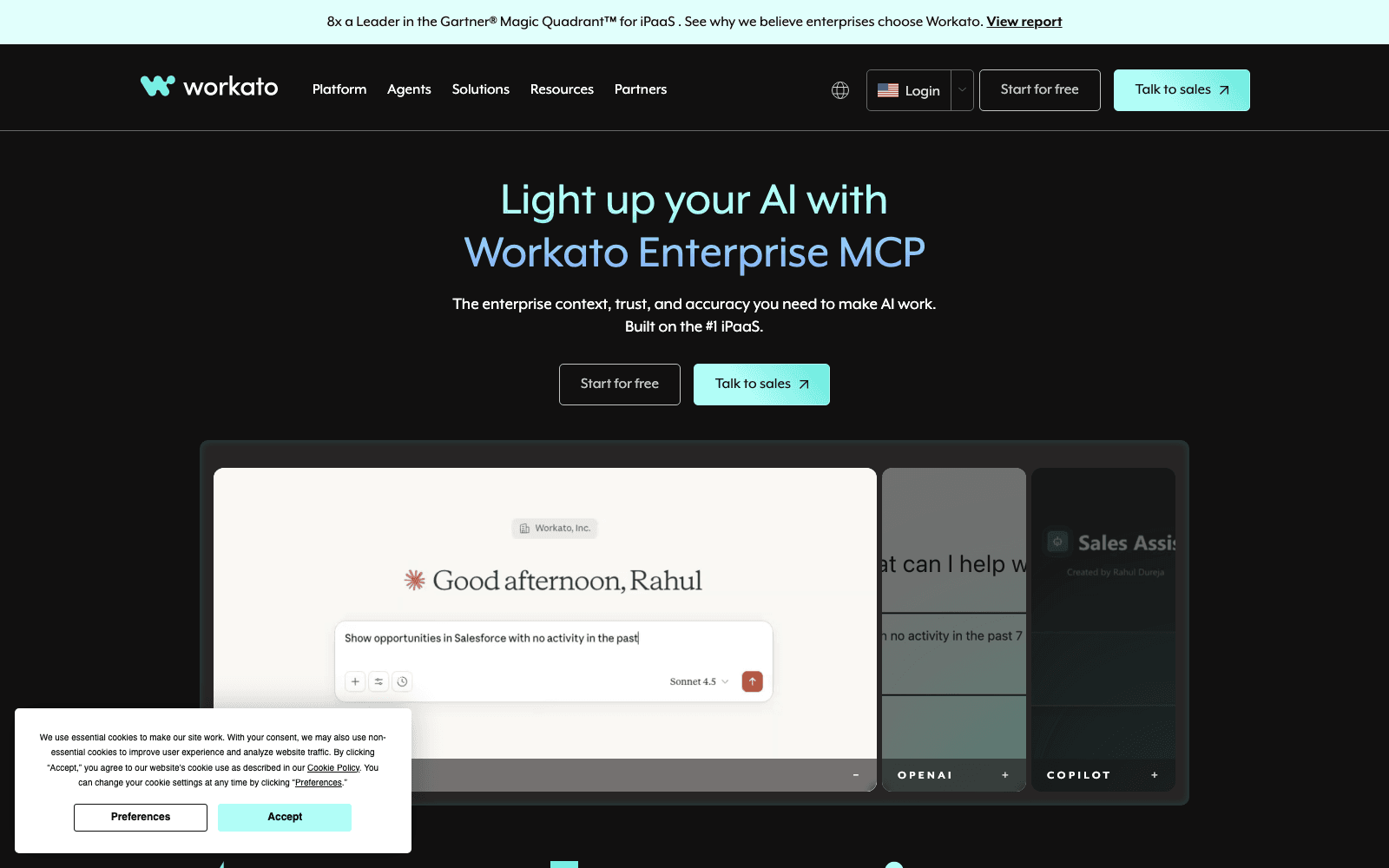
1. Workato — The Enterprise iPaaS Built for Agentic AI
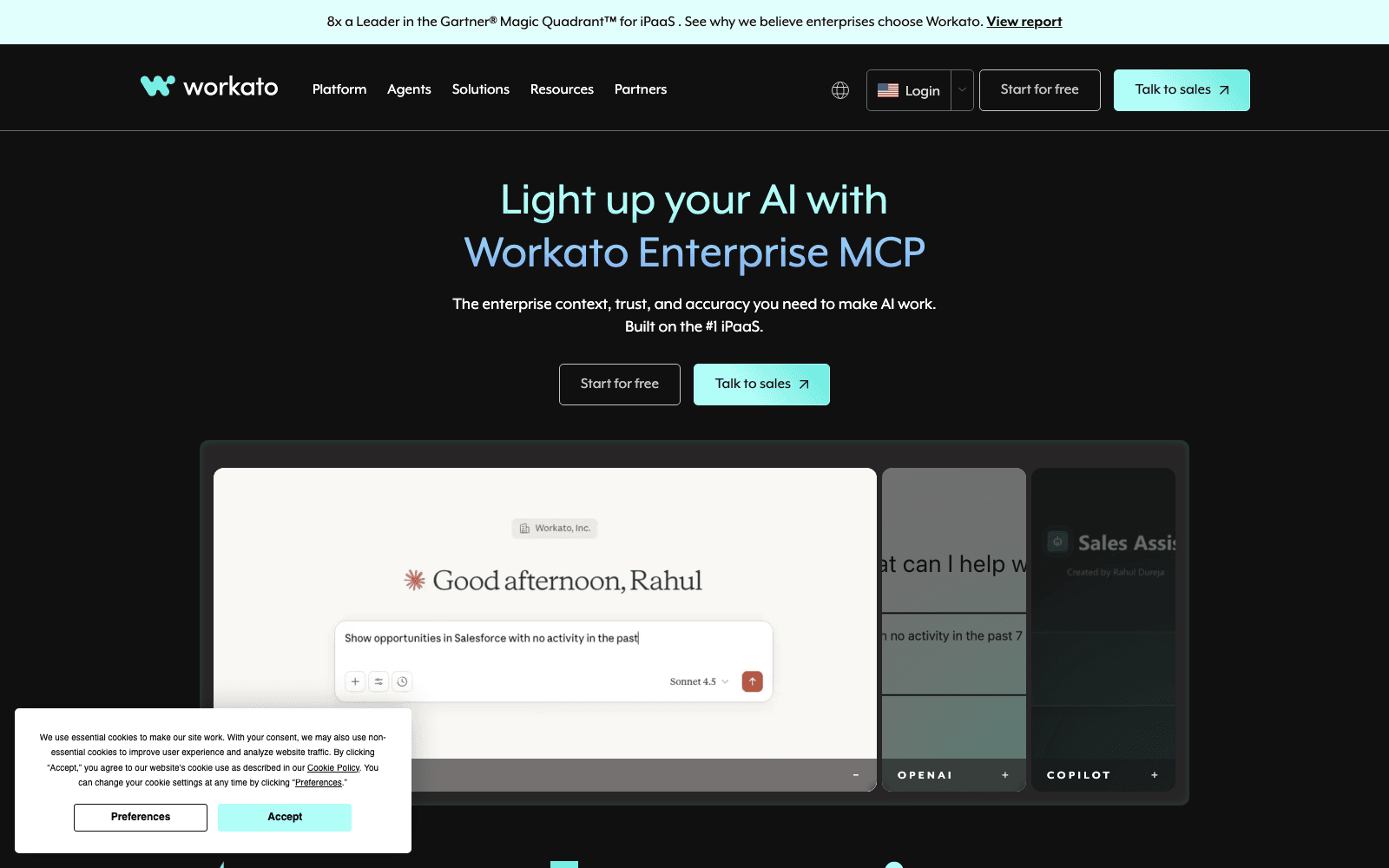
Workato repositioned itself in 2025 as "enterprise MCP for agentic AI" — the connective tissue that lets agents act across your entire stack, not just within one vendor's walled garden. The product was already the strongest enterprise-grade iPaaS for non-developers; the AI-agent layer on top is what makes it the most credible 2026 pick for cross-system operations automation.
What it wins at: enterprise teams whose ops span 50+ systems, RevOps and FinOps automation that touches Salesforce + NetSuite + Workday + Slack, and procurement-friendly governance (real audit logs, real RBAC, real on-prem options).
Where it falls down: priced for the enterprise it serves. SMB and mid-market teams under ~500 employees rarely justify the floor cost; for them, Zapier or n8n is the pragmatic answer.
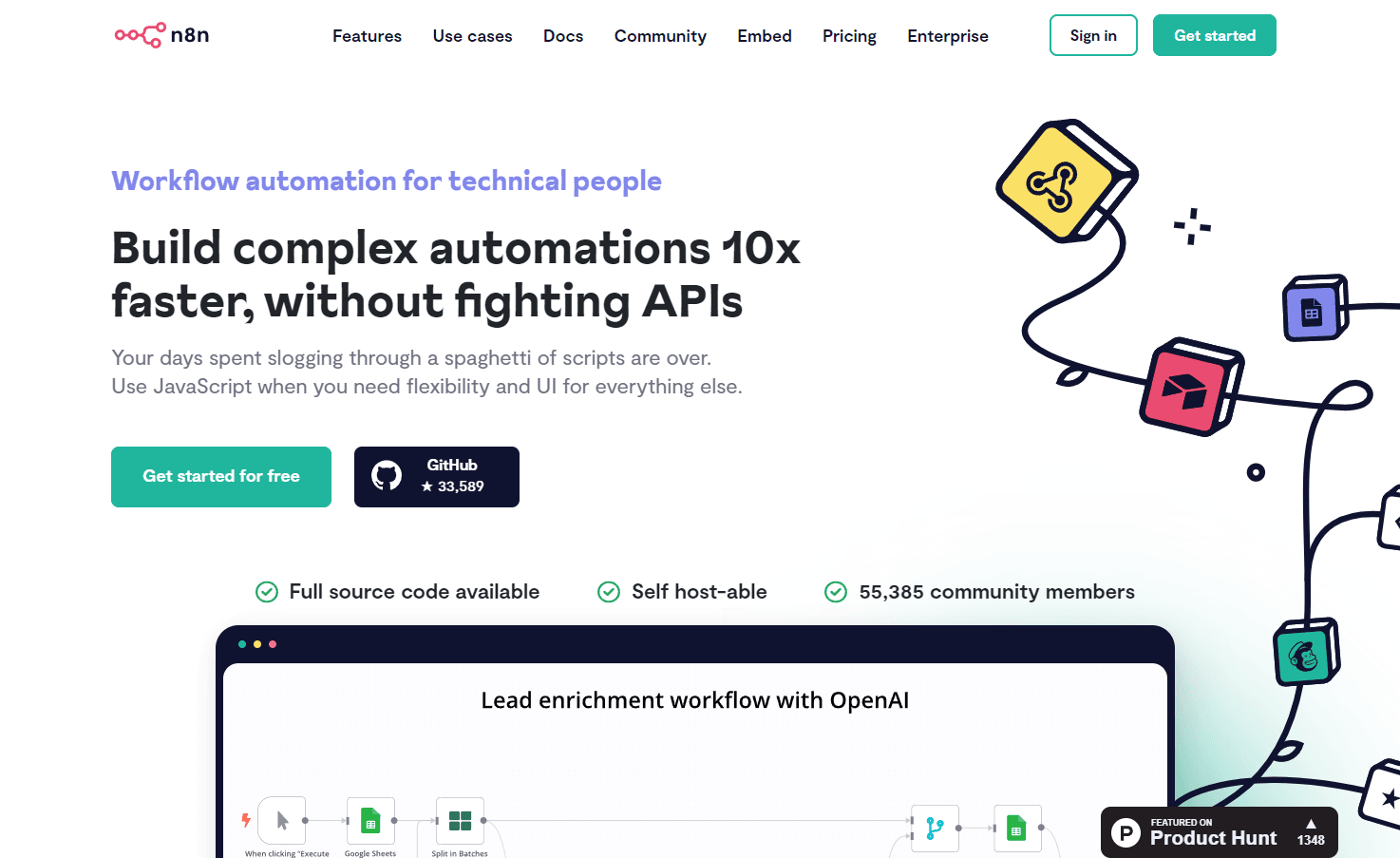
2. n8n — The Self-Hosted Automation Choice for Technical Teams
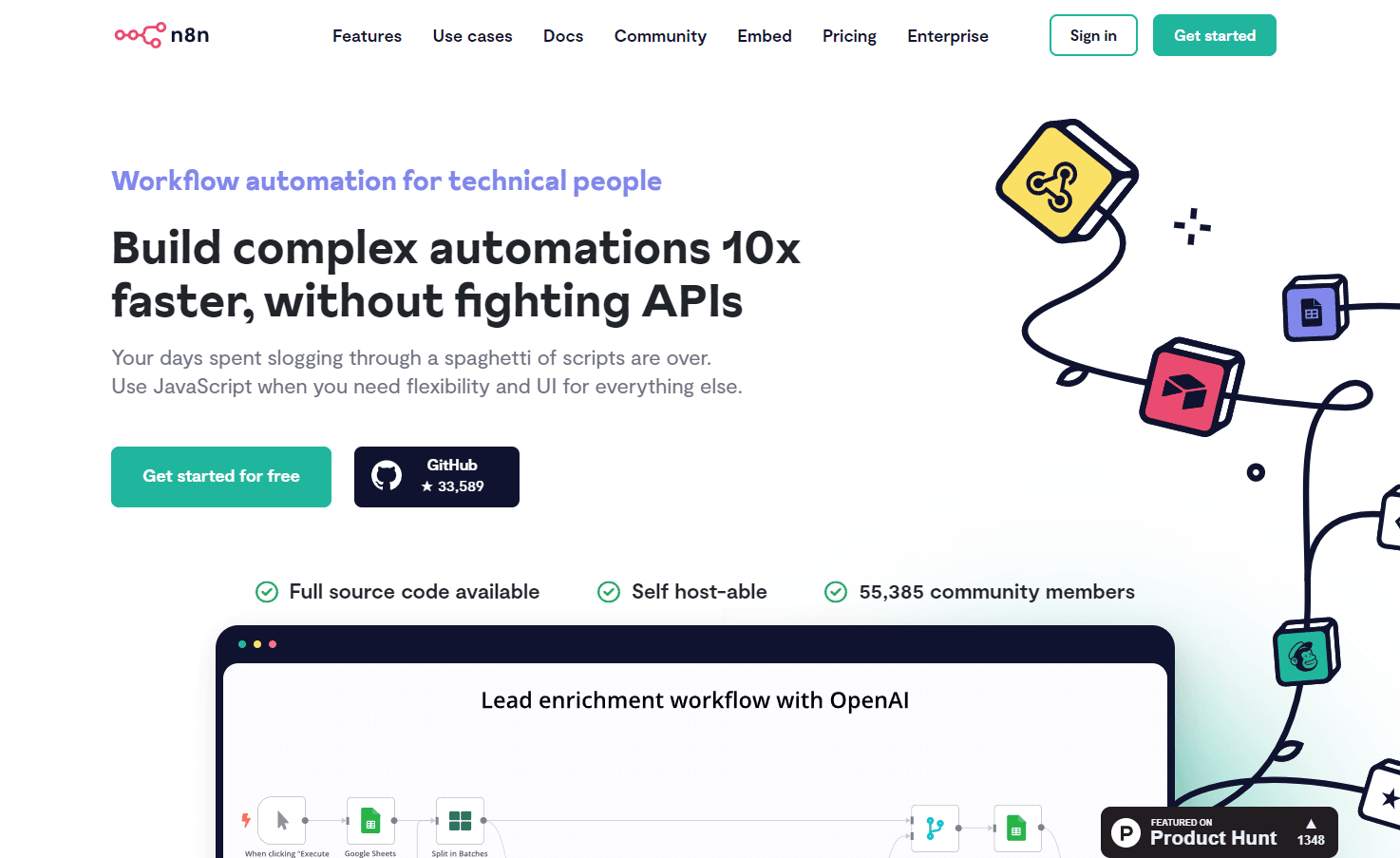
n8n is the workflow automation tool engineering teams reach for when Zapier's pricing or Workato's enterprise fit doesn't apply. Open-source core, self-hostable, with first-class AI nodes (LLMs, vector DBs, agent loops) that landed before most competitors caught on. The 2025 native-agent updates made it credible for production agent workflows, not just glue code.
What it wins at: technical teams that want to own their automation layer, AI-native workflows where the LLM is part of the flow rather than bolted on, and teams running their own infra for compliance or cost reasons.
Where it falls down: ramp curve is steeper than Zapier — non-engineers struggle. Self-hosting is a feature for some teams and an ops burden for others.
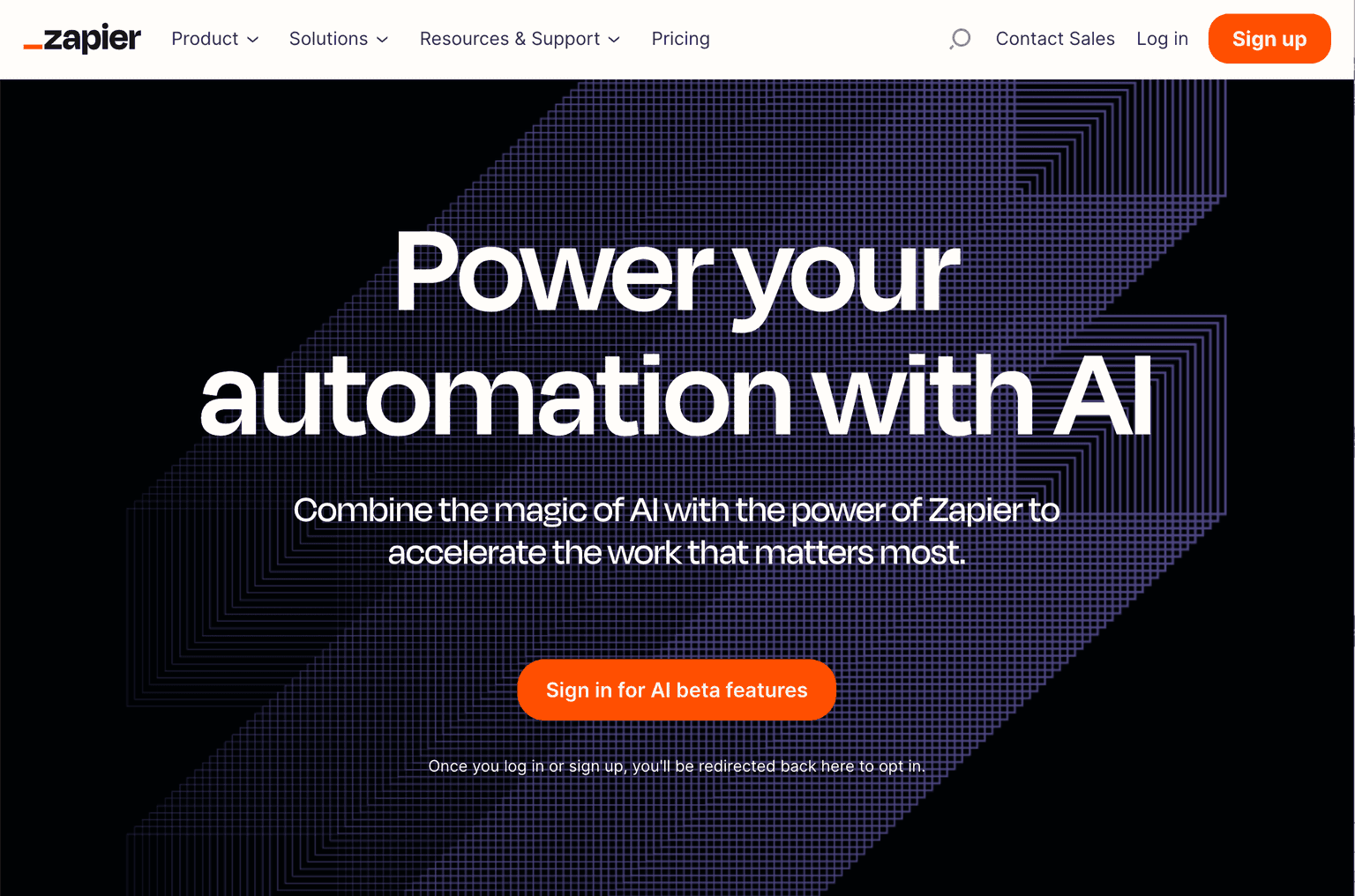
3. Zapier — Still the Default for SMB and Prosumer
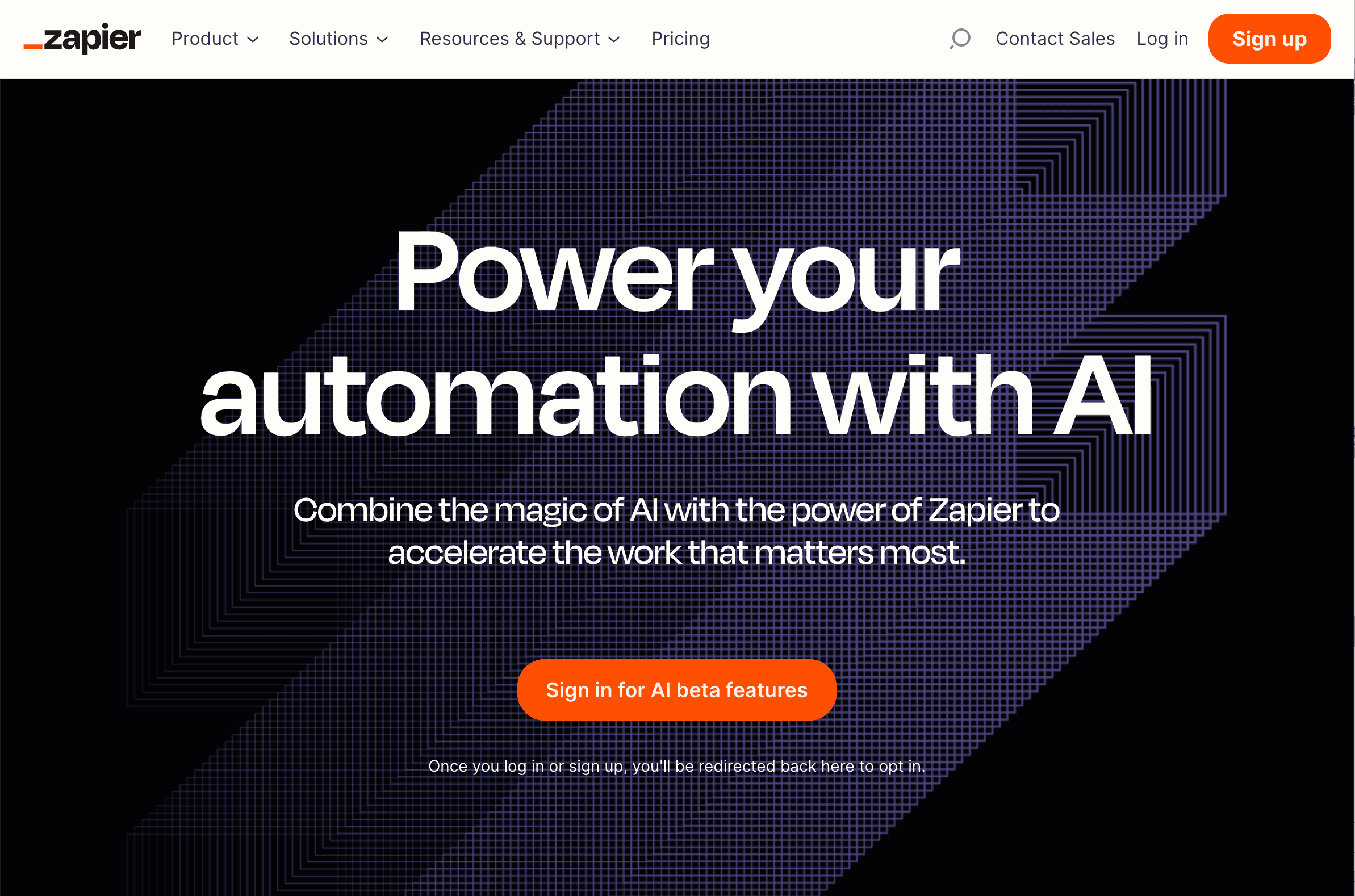
Zapier ships more workflows per day than every other tool on this list combined and remains the right answer for SMB ops teams that just need a thing to happen when a thing happens. The Zapier Agents launch in 2024–2025 added genuine AI workflow capability without forcing teams to leave the platform they already know.
What it wins at: SMB and prosumer ops, the broadest connector library in the category, fastest time-to-first-working-workflow, and now credible AI-agent workflows on top.
Where it falls down: enterprise governance is thin compared to Workato; once ops gets serious about audit logs, RBAC, and complex error handling, teams typically migrate up.
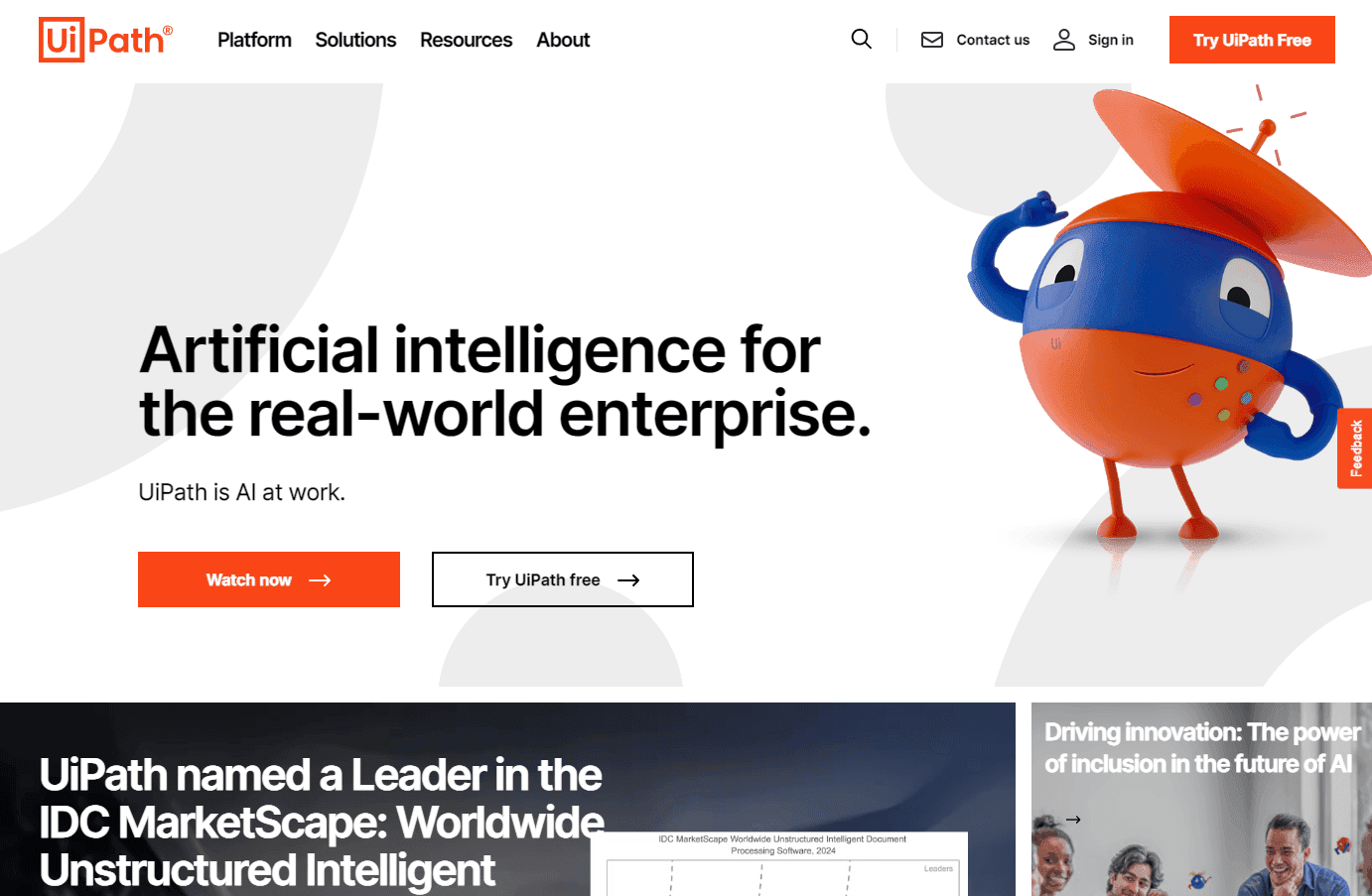
4. UiPath — RPA Meets the Agentic Era
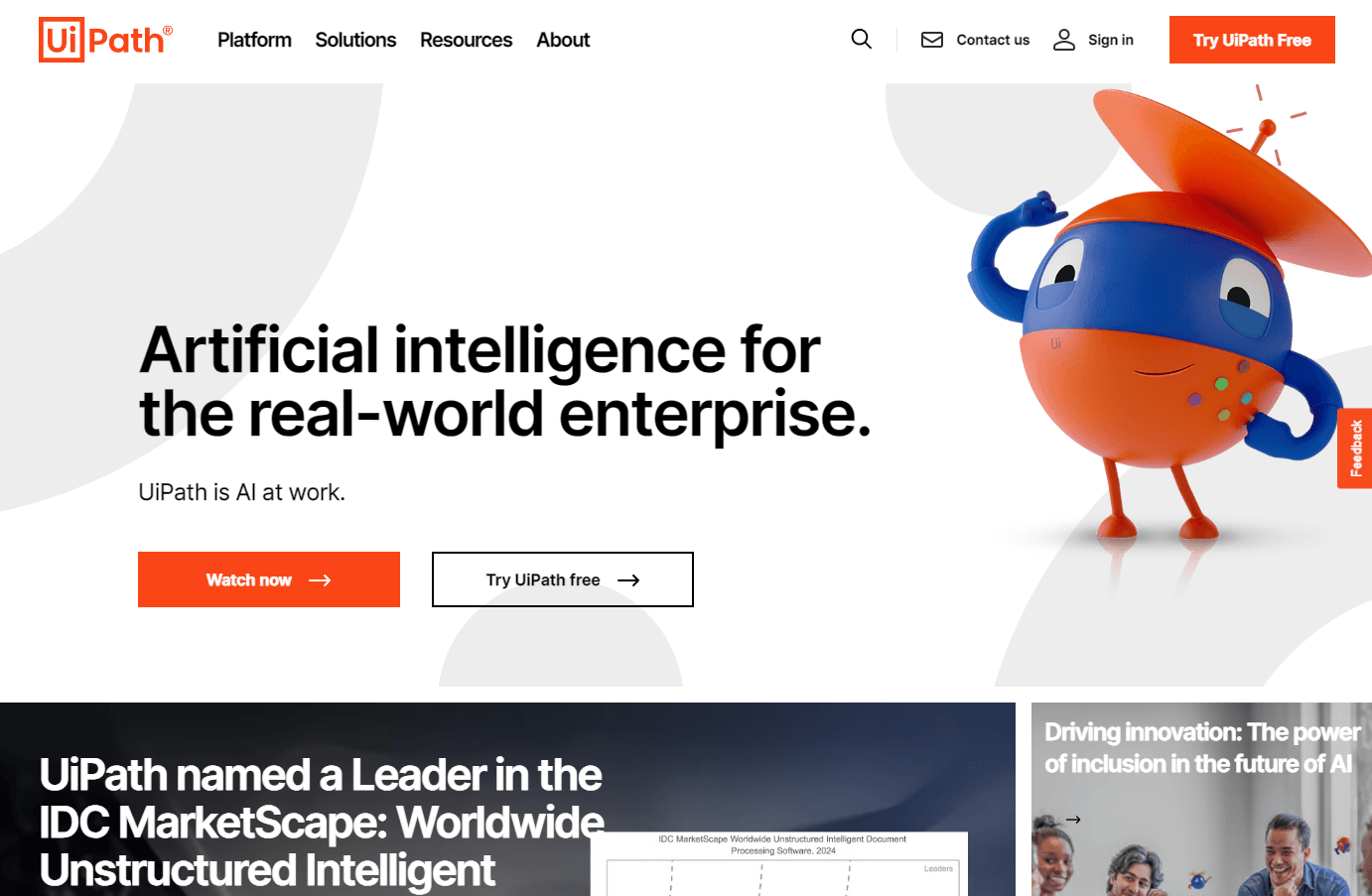
UiPath is the answer for the part of operations that doesn't have a clean API — legacy ERPs, mainframe terminals, desktop apps that haven't been touched since 2008. RPA still matters, and UiPath's 2025 push into AI agents on top of its robot fleet is the most credible attempt in the category to merge the two paradigms.
What it wins at: large enterprises with legacy back-office work, regulated industries with locked-down systems, and structured high-volume processes where APIs don't exist.
Where it falls down: for cloud-native shops where everything has a REST API, UiPath is over-engineered. The implementation cycle is months, not days.
AIOps Tools: AI Observability and Incident Response
AIOps is the quiet category in operations AI — less hyped than agents, more production-critical than most of them. The job is using AI to detect anomalies, correlate signals across logs/metrics/traces, and surface root cause before pages fire. Dynatrace remains the strongest pick on this list; Datadog and New Relic are credible alternatives if you're already on them.
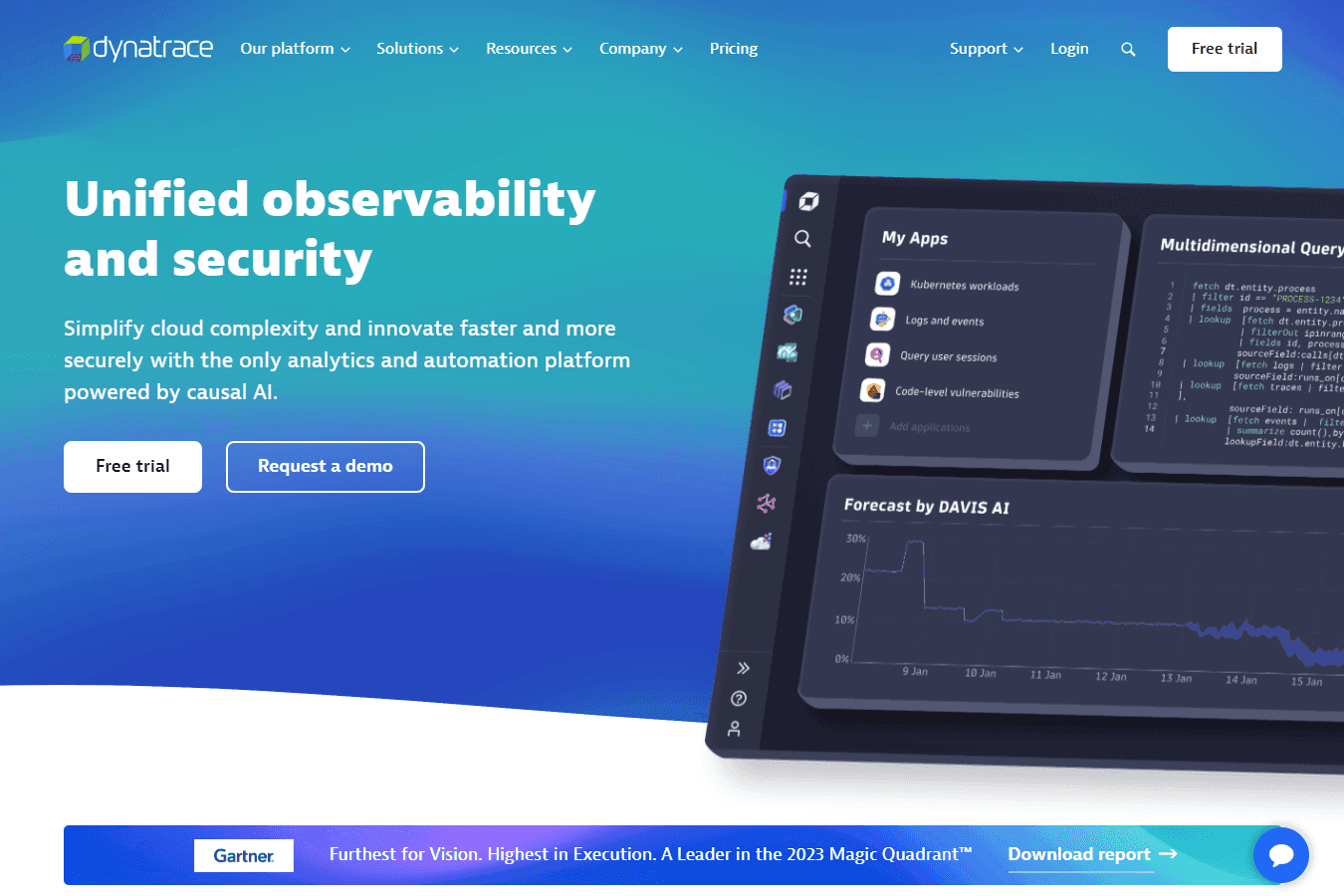
5. Dynatrace — Full-Stack AIOps That Has Aged Well
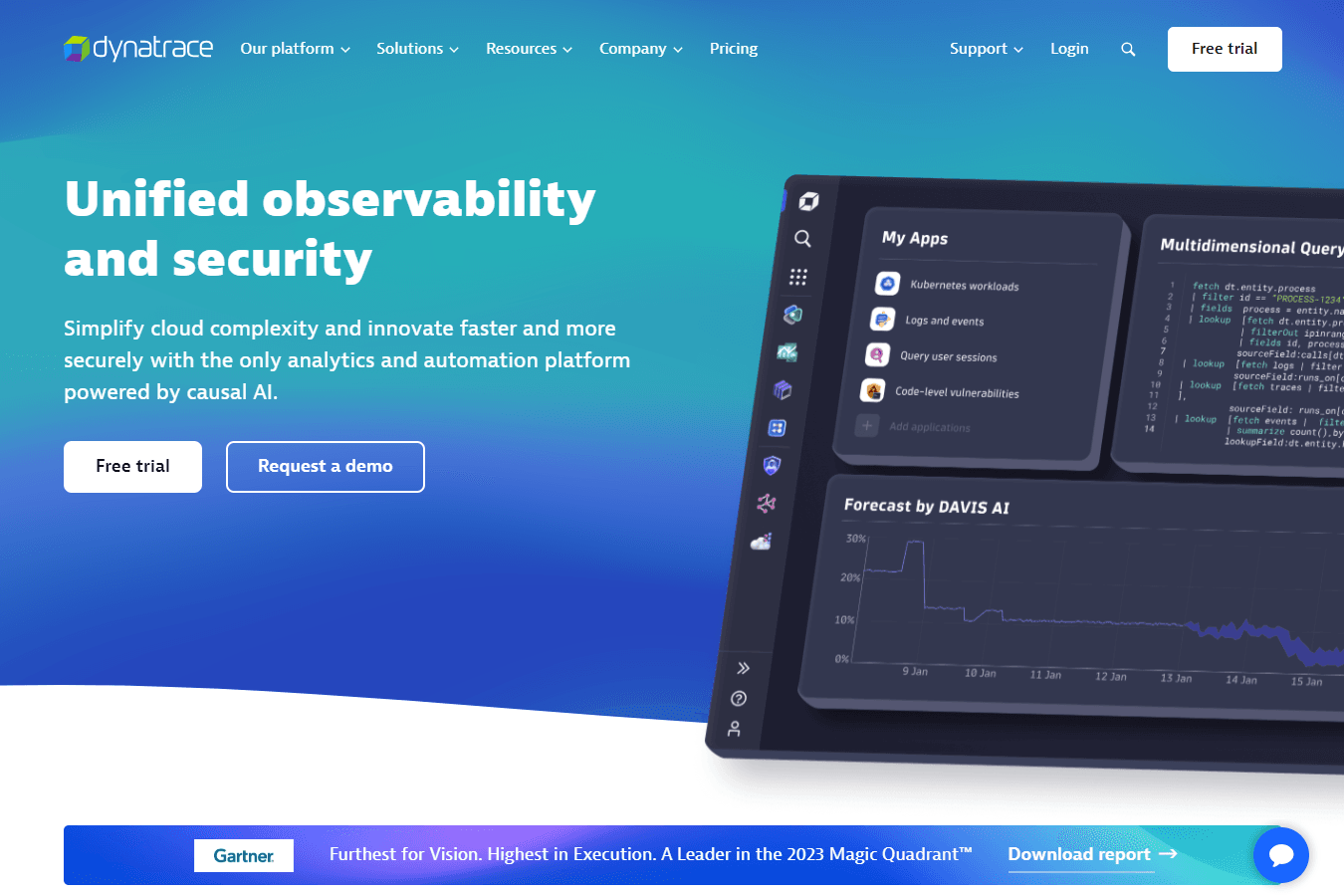
Dynatrace is one of the few AI-for-operations tools where the AI was real before "AI" became the marketing fashion. The Davis AI engine has been doing automatic root-cause correlation across full-stack telemetry for years, and the 2025 generative-AI additions (Davis CoPilot for natural-language queries) layered on top of that foundation rather than replacing it.
What it wins at: full-stack observability for enterprises running cloud-native plus legacy hybrids, automatic anomaly detection that meaningfully reduces alert noise, and root-cause analysis that holds up when systems get genuinely complex.
Where it falls down: priced for enterprise. SMB teams running a handful of services are better served by Datadog's free or starter tiers, or by simpler tools.
MLOps: Shipping and Monitoring the Models
If your team trains, fine-tunes, or evaluates ML models — including LLMs — you're an MLOps customer whether you call it that or not. The 2026 shift is that MLOps tools have absorbed LLMOps; the same products that track training experiments now also track LLM evals, prompt versions, and agent traces.
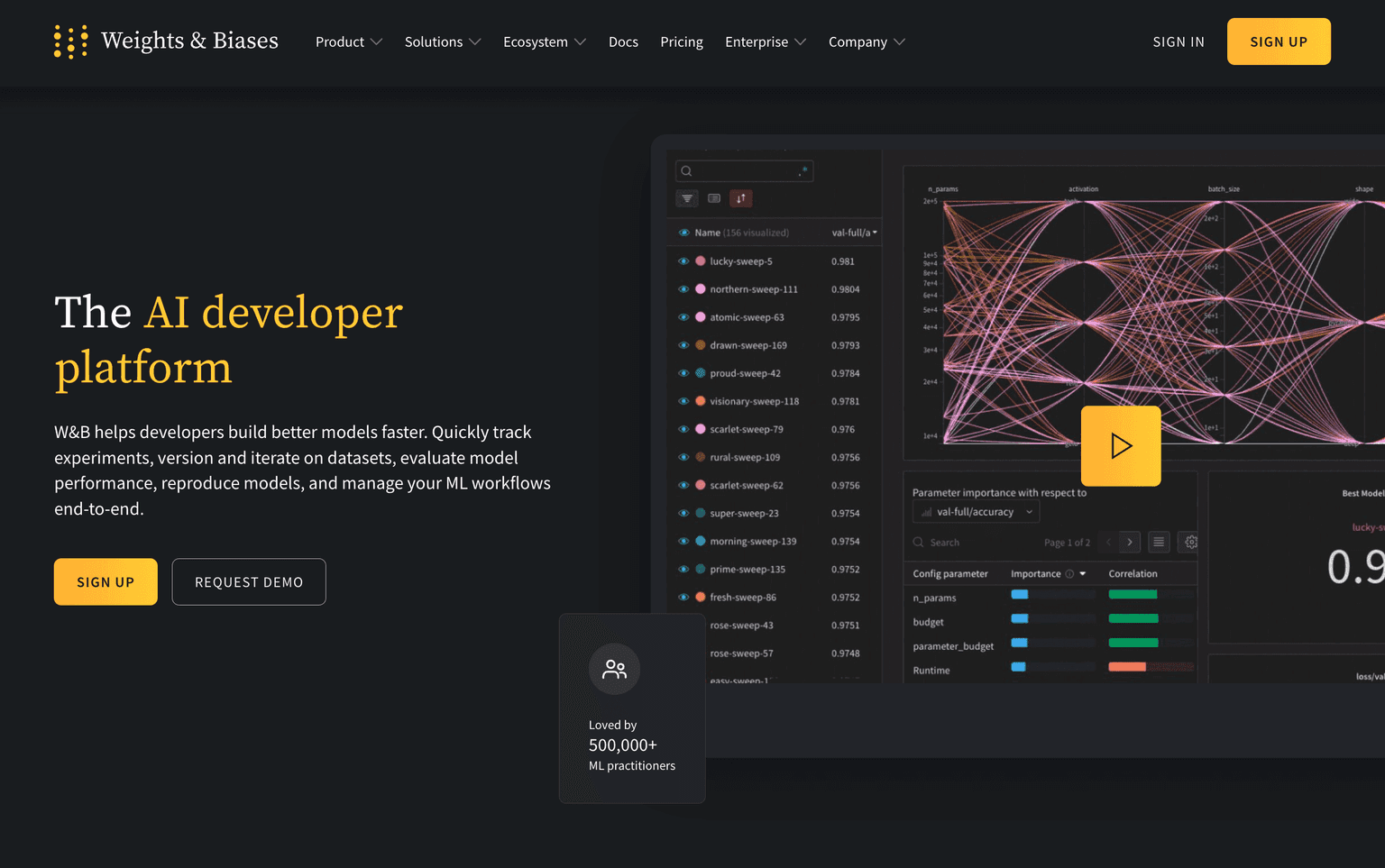
6. Weights & Biases — The Default for ML and LLM Teams
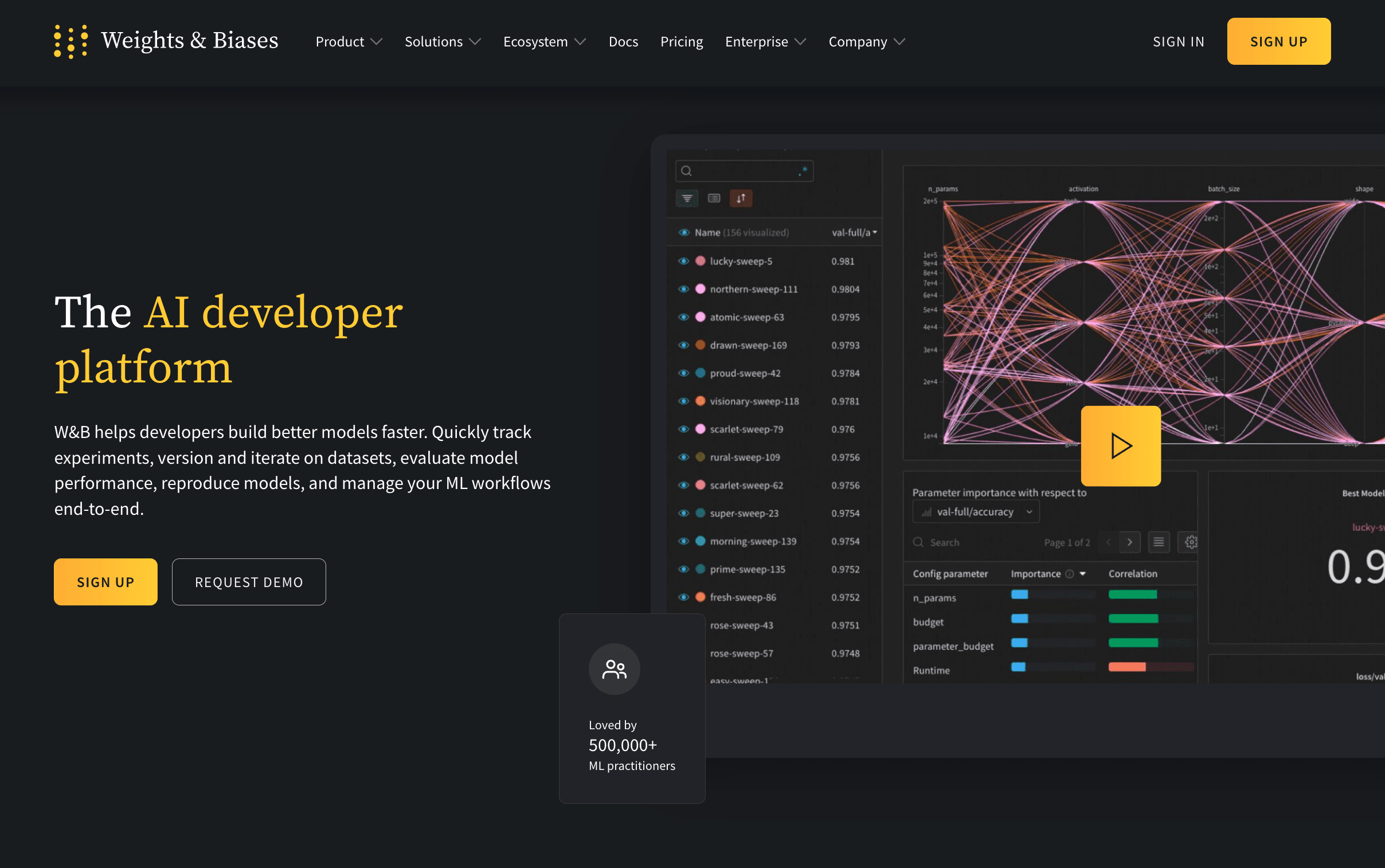
Weights & Biases is the most-used MLOps platform among serious ML and AI engineering teams, and the 2025 expansion into LLM observability (Weave) made it the strongest single-vendor answer for teams doing both classic ML and generative AI. Acquired by CoreWeave for approximately $1.7B, completed May 2025, which strengthened the integration with the GPU infrastructure most AI teams are already using.
What it wins at: experiment tracking that's actually pleasant to use, LLM eval and trace tracking, and team workflows where research and production share the same tool.
Where it falls down: SaaS-first; on-prem deployments are possible but heavier. For the smallest teams, MLflow's simplicity is a better fit.
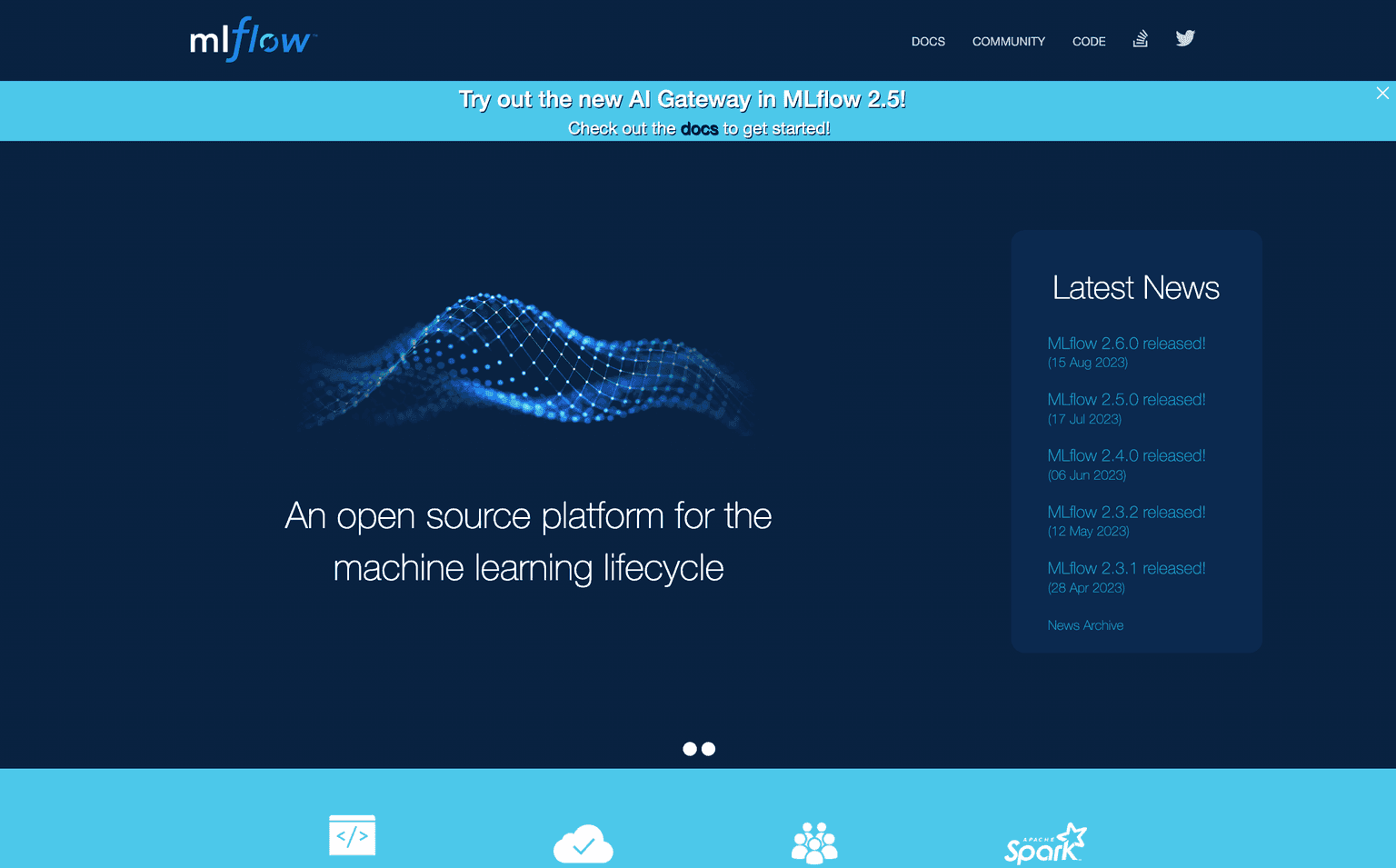
7. MLflow — The Open-Source Standard
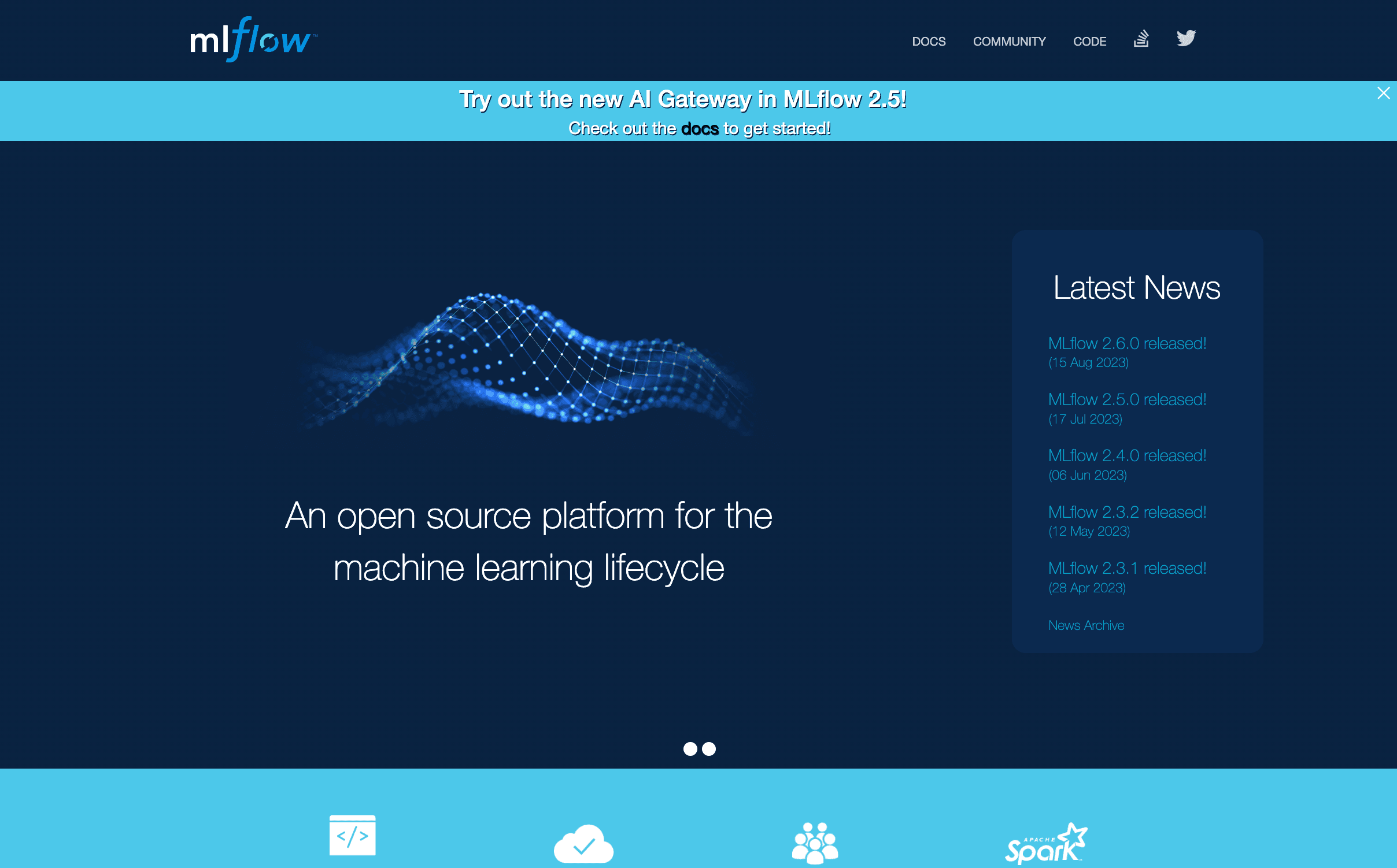
MLflow is the open-source MLOps tool every team eventually encounters. It's the lowest-friction starting point for experiment tracking, model registry, and deployment — and because it's bundled into Databricks, a meaningful share of enterprise ML teams are already using it without having chosen it.
What it wins at: open-source, self-hostable, no vendor lock-in, and the de facto standard for any team working in Databricks or PySpark-heavy stacks.
Where it falls down: UX trails Weights & Biases meaningfully — this is a tool sized for engineers who'll tolerate a dated interface in exchange for full control.
How to Choose AI Workflow Automation and AIOps Tools
Match the tool category to the actual problem:
- Cross-system business automation, enterprise: Workato
- SMB and prosumer business automation: Zapier; n8n if you have engineers and want to self-host
- Legacy systems / RPA: UiPath
- Production observability: Dynatrace (or Datadog / New Relic if already in those ecosystems)
- MLOps for serious ML/LLM teams: Weights & Biases
- MLOps if you live in Databricks: MLflow
For most mid-market companies, the strongest 2026 ops-AI starter stack is Workato (or Zapier for SMB) for business automation, plus Dynatrace for observability, plus Weights & Biases only if you're shipping models.
For adjacent reading, see our collections on Top AI Tools for Sales Professionals, Best AI SDR Tools for Inbound Conversion, and Best AI Tools for Finance and Accounting — Workato and Zapier overlap with FinOps automation in real-world deployments.
Frequently Asked Questions
What are AI workflow automation tools? AI workflow automation tools connect the systems a business already runs - CRM, helpdesk, finance, HR - and execute multi-step processes across them without a human driving each step. What separates the 2026 generation from classic iPaaS is the agent in the middle: it can read unstructured input, decide which branch applies, and take an action that was not explicitly scripted. Workato and UiPath serve the enterprise end of this, n8n the self-hosted technical end, and Zapier the SMB and prosumer breadth play.
What are AIOps tools, and how are they different from workflow automation? AIOps tools apply AI to keeping production systems healthy - ingesting metrics, logs and traces, detecting anomalies, and identifying root cause before an incident escalates. Dynatrace is the AIOps platform on this list. The distinction matters because the two categories are bought by different teams for different reasons: workflow automation removes manual business process work and is usually justified on headcount leverage, while AIOps reduces downtime and is justified on reliability. Neither substitutes for the other, and buying one expecting the other is the most common procurement mistake in this category.
What does "AI for operations" actually mean? It's three different categories often lumped together: business-operations automation (AI agents executing cross-system workflows), AIOps (AI for production observability and incident response), and MLOps (tools for shipping and monitoring ML models). The right tool depends entirely on which of these your team is trying to solve.
Do I need an AI agent platform if I already have Zapier or Workato? For most ops use cases in 2026, the workflow tool with AI nodes is sufficient — you don't need a separate "agent platform." The exception is when judgment-heavy work needs to happen mid-flow (decisioning, content generation, multi-step reasoning), in which case Workato's agents or n8n's AI nodes are the upgrade path.
Is RPA still relevant in 2026? Yes, narrower. For cloud-native companies, RPA is mostly displaced by API-based workflow tools. For enterprises with legacy ERPs, mainframes, or regulated systems where APIs don't exist, RPA — especially with AI on top — remains the only credible automation path. UiPath leads this space.
What's the difference between AIOps and MLOps? AIOps uses AI to operate production systems (detect outages, correlate alerts, suggest fixes). MLOps is the operational practice of shipping AI/ML models (tracking experiments, deploying models, monitoring drift). Different audiences, different tools.
Are these tools secure enough for enterprise data? The enterprise tiers of Workato, Dynatrace, Weights & Biases, and UiPath all carry SOC 2, ISO 27001, and signed DPAs with zero-retention guarantees on the LLM side. SMB tiers and the free open-source options (n8n self-hosted, MLflow) are trust-yourself models. For regulated workloads, run procurement before piloting.
How fast can a team see ROI from these tools? For workflow automation, ROI shows up in weeks — automated ticket triage, lead routing, or onboarding saves a measurable percentage of an FTE almost immediately. AIOps and MLOps ROI is slower (months) and shows up in incident-response time and model-quality improvements rather than headcount. Don't pilot the slower categories on the same timeline as the fast ones.
Final Thoughts
The operations AI conversation in 2026 isn't about whether to adopt — it's about which lane to lead with. For most companies, business-operations automation is the highest-leverage starting point: agents and workflows that execute real cross-system work return value fast, and they create the operational data that makes the AIOps and MLOps investments worth making later.
If your ops team hasn't shipped at least one production agent in 12 months, the gap is now visible in headcount-per-revenue ratios across the industry. Start with one category, ship one workflow, measure the savings, then expand.
Categories these tools span
More collections you may also like

Sign up for our newsletter
Receive weekly updates so you can stay up-to-date with the world of AI
Sign up for our newsletter
Receive weekly updates so you can stay up-to-date with the world of AI
The AI tools directory for discovering, exploring, and comparing the most innovative AI tools in the industry