Skild AI
Building the general-purpose robotic brain — Skild's omni-bodied foundation model controls any robot, valued at $14B+ after acquiring Zebra's Robotics business.
Overview
Skild AI: The Robotic Brain Foundation Model
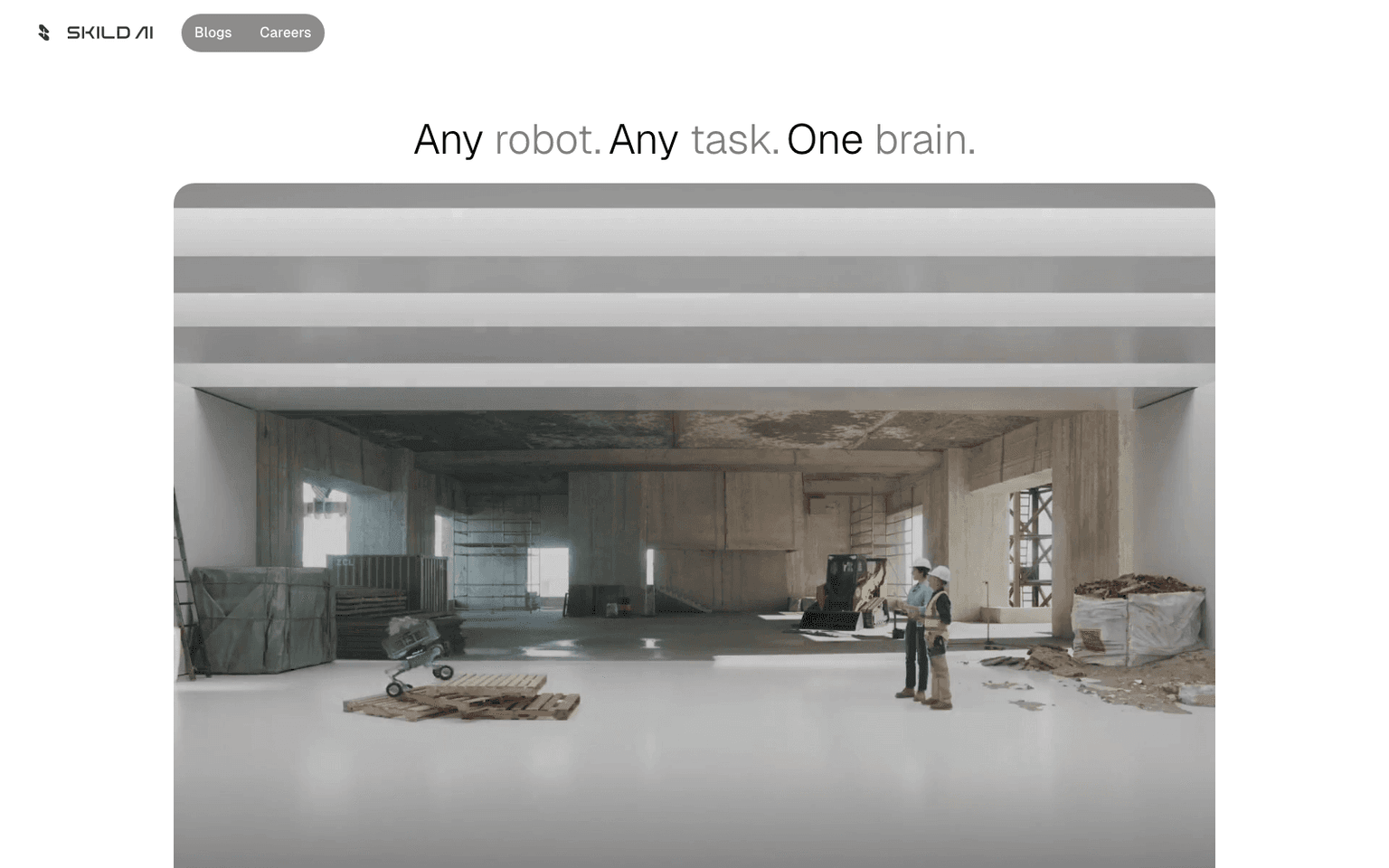
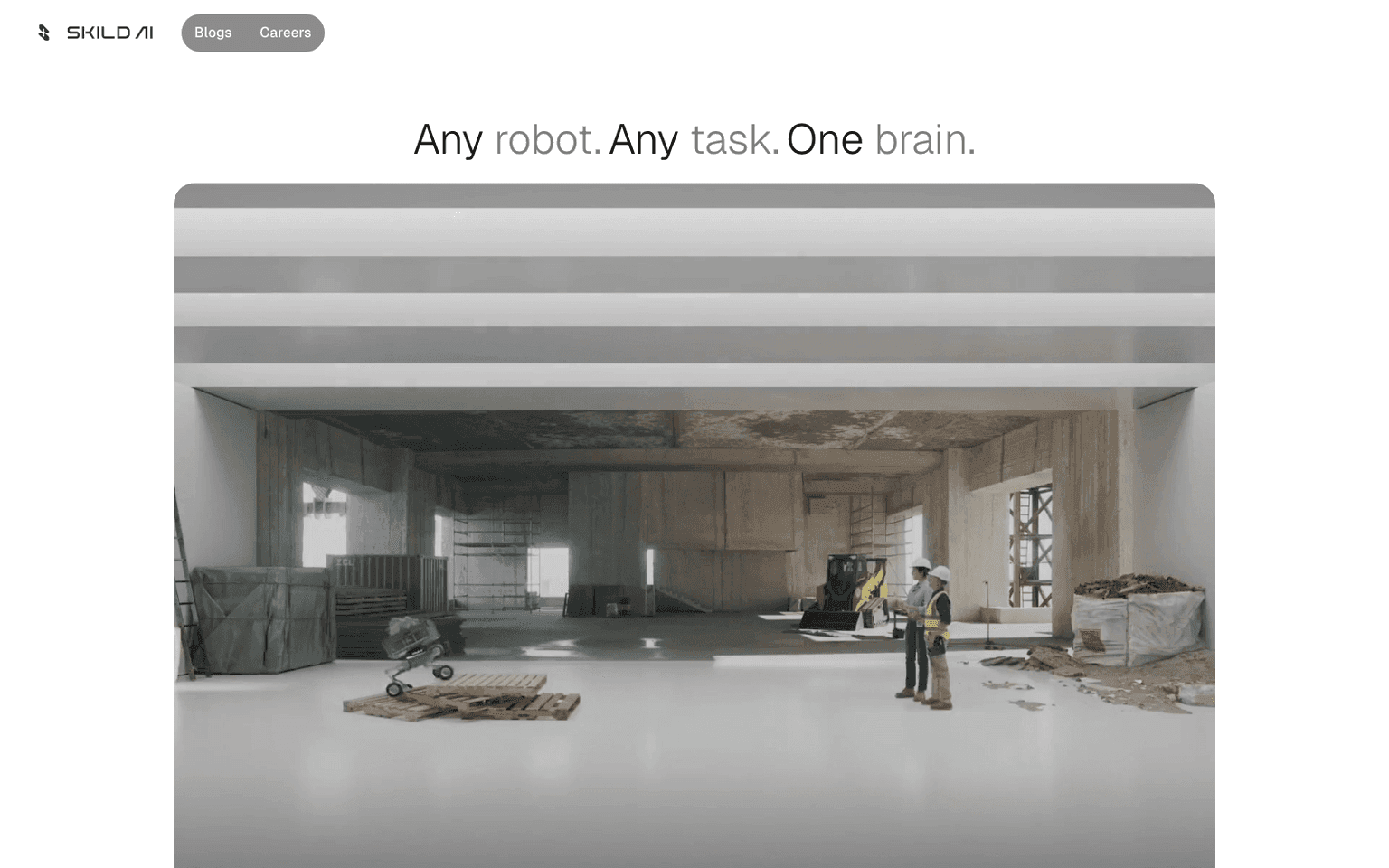
Skild AI is building the general-purpose robotic brain — an "omni-bodied" foundation model that can control any robot (quadrupeds, humanoids, table-top, mobile manipulators) without being overfit to a specific embodiment. The Skild Brain is trained at scale on simulation and human-video data (the company's core thesis: humans created an internet-scale robotics dataset via YouTube tutorials and instructional video), then post-trained on targeted real-world data per deployment.
Valued at over $14B in April 2026, partnered with NVIDIA, and recently acquired Zebra Technologies' Robotics Automation business including Symmetry Fulfillment. The bet: foundation-model economics applied to robotics will transform the industry the same way they transformed text and images.
Key Features
- Omni-bodied foundation model — works across robot types
- Trained on internet-scale human video data + simulation
- Customer deployments across logistics, inspection, manipulation
- NVIDIA partnership for training infrastructure
- Acquired Zebra Robotics Automation in 2026
Ideal Use Case
Logistics companies, manufacturers, and any organization deploying robots at scale that's frustrated by the brittleness of robot-specific software and wants a foundation-model approach. Also: ML researchers and embodied AI labs studying transfer across robot types.
Why Use Skild AI
Robotics has been a per-robot software bespoke world. Skild's bet — that a single model can control any robot — is the thesis that turned LLMs from research curiosity to industry transformation. If it works for robots, the implications are enormous.
FAQ
What does Skild AI actually build? Skild AI develops a general-purpose robotic brain—a foundation model that can control any robot regardless of its physical form. The technology powers robots across different body types and configurations with a single underlying system.
Who should consider using Skild AI? Organizations building or deploying robots across various hardware platforms would benefit from Skild AI's unified control system, which eliminates the need for separate models for different robot designs.
How does Skild AI's pricing work? Skild AI operates on a paid model. For specific pricing details and to discuss your use case, visit the Skild AI pricing page or contact their team directly to inquire about costs.
How does Skild AI compare to other AI infrastructure options? Unlike some alternatives that focus on specific tasks or deployment platforms, Skild AI's omni-bodied foundation model is designed to work across any robot, offering a more generalized approach to robotic control compared to more specialized AI solutions.
tl;dr
Foundation model for robotics. Omni-bodied — controls any robot. $14B+ valuation, NVIDIA partner, Zebra Robotics acquisition.
Related
Looking for more options? Browse the AI Infrastructure directory or read our best AI infrastructure tools listicle. Skild AI is also tracked on Crunchbase.
Why Use Skild AI
Editorial Review
Our take on Skild AI.

A foundation model for robot control that works across different hardware—ambitious infrastructure play, but access and real-world integration remain opaque.
What works
- Single model for multiple robot morphologies reduces training overhead
- Backed by serious robotics acquisition and resources
- Skild Brain is omni-bodied - quadrupeds, humanoids and arms from one model
What doesn't
- No public API or freemium access; requires direct outreach to evaluate
- Infrastructure-layer tool; unclear integration path for most teams
Skild AI is building what amounts to a general-purpose brain for robots: a foundation model trained to control different robot bodies and form factors without needing separate models for each hardware variant. The idea is elegant—one model, many machines—and solves a genuine friction point in robotics. The company's acquisition of Zebra's robotics business signals serious resources and intent to test this at scale.
The catch is that Skild operates in the infrastructure layer, which means you won't be spinning this up on a Friday afternoon. Access requires a direct conversation with their team (pricing listed as "Inquire"). There's no public API, no free tier, no obvious playground. That's typical for enterprise AI infrastructure, but it also means you can't kick the tires yourself or see exactly how the model performs on your specific robot morphology.
For roboticists and integrators working on hardware that matters—logistics, manufacturing, research—this could reduce months of training and tuning. For hobbyists or smaller teams, the barrier to entry is high, and you won't know if it's a fit until you're deep in conversations with their sales team.
User Reviews
Similar Tools