fal.ai
Fastest generative AI platform for developers — 1,000+ image, video, audio, and 3D models with optimized real-time inference. Default home for FLUX, SAM, MuseTalk.
Overview
fal.ai: Fast Generative Media Inference
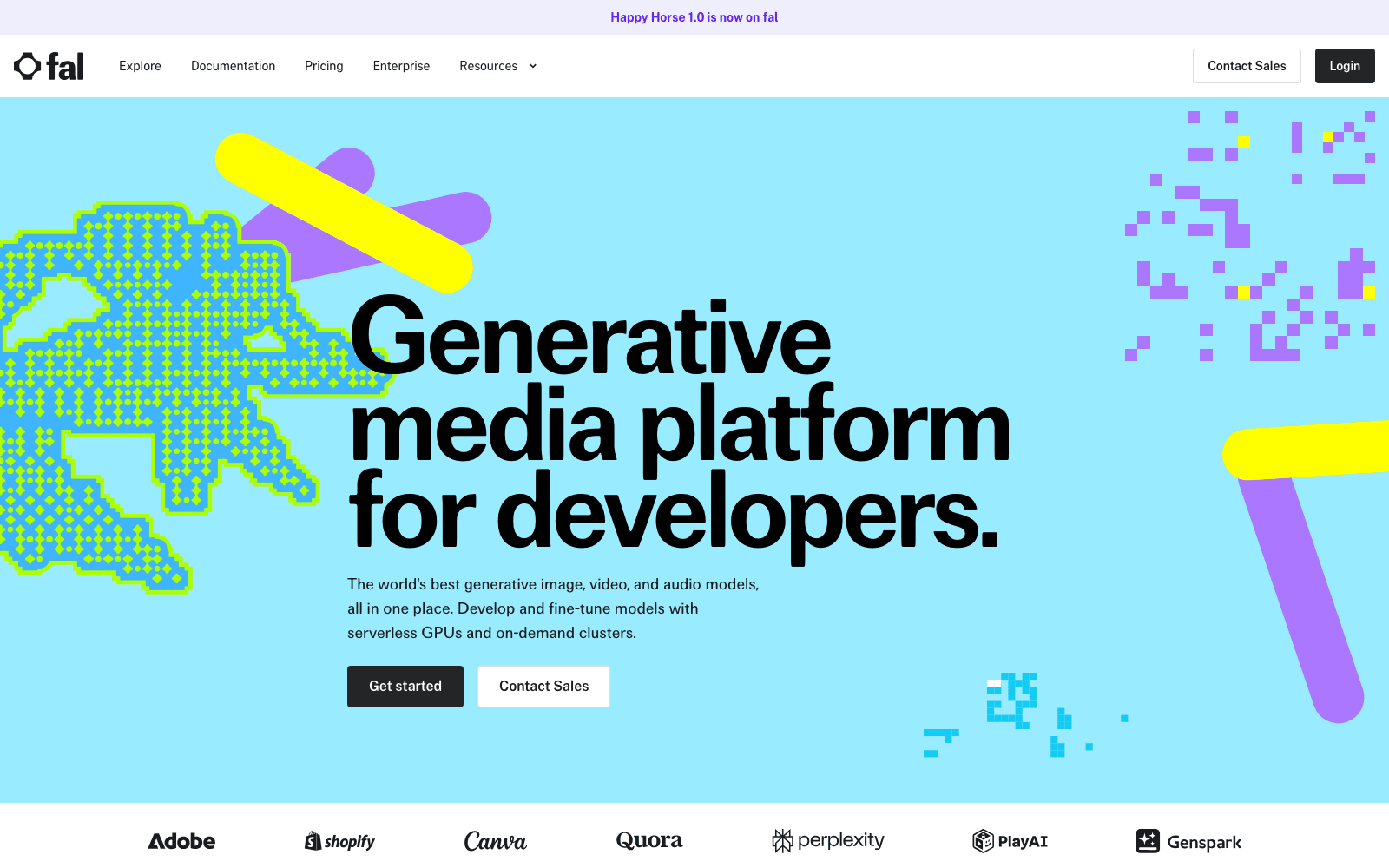
fal.ai is the fastest generative AI inference platform for developers — hosting 1,000+ production-ready image, video, audio, and 3D models with optimized inference that's typically 4x faster than running models yourself or going through general-purpose providers. Default home for Black Forest Labs FLUX, Meta's SAM, MuseTalk lipsync, and most major open generative models.
The bet that paid off: take inference optimization seriously, host the models developers actually want to use, and price/UX so well that fal.ai became the default for adding generative media to apps.
Key Features
- 1,000+ production-ready models (image, video, audio, 3D)
- 4x faster inference than baseline through custom optimization
- Real-time API designed for streaming and interactive UIs
- Hosts FLUX, SAM, MuseTalk, and most major open models
- Free tier with generous developer credits
Ideal Use Case
Any developer adding generative media to an app — image gen, video gen, voice cloning, lipsync, segmentation. Especially strong for products that need real-time inference (streaming, interactive UIs) where latency matters.
Why Use fal.ai
Replicate, RunPod, and Together compete on similar terrain, but fal.ai has won on inference latency for generative media specifically. The model catalog (FLUX, SAM, etc.) is the broadest in production-ready form.
FAQ
What does fal.ai do? fal.ai is a generative AI platform that gives developers access to over 1,000 image, video, audio, and 3D models with optimized real-time inference. It's the default home for popular models like FLUX, SAM, and MuseTalk, designed to be the fastest option for running these AI workloads.
Who should use fal.ai? fal.ai is built for developers who need to integrate generative AI capabilities into their applications quickly. It's ideal for anyone building with image generation, video creation, audio processing, or 3D models who wants optimized performance and a large model library.
What's the pricing structure for fal.ai? fal.ai operates on a freemium model with free and paid tiers available. Visit the fal.ai pricing page for current plans and details on what's included at each level.
How does fal.ai compare to similar platforms? Unlike some alternatives, fal.ai focuses specifically on providing the fastest inference for a vast library of generative models rather than general AI assistants or SDK frameworks. It positions itself as a dedicated infrastructure layer optimized for real-time AI generation tasks.
tl;dr
Fastest generative AI inference for developers. 1,000+ models, real-time API, default home for FLUX. Indispensable infra for AI-feature-heavy apps.
Related
Looking for more options? Browse the AI Infrastructure directory or read our best AI infrastructure tools listicle. fal.ai is also tracked on Crunchbase.
Why Use fal.ai
Editorial Review
Our take on fal.ai.

The production question from 2025 is answered: 2.5M developers, Canva and Adobe on the customer list, and a $4.5B valuation say fal's inference holds up under load. Per-output pricing is legible. The remaining risk is model-catalog churn, not whether the platform works.
What works
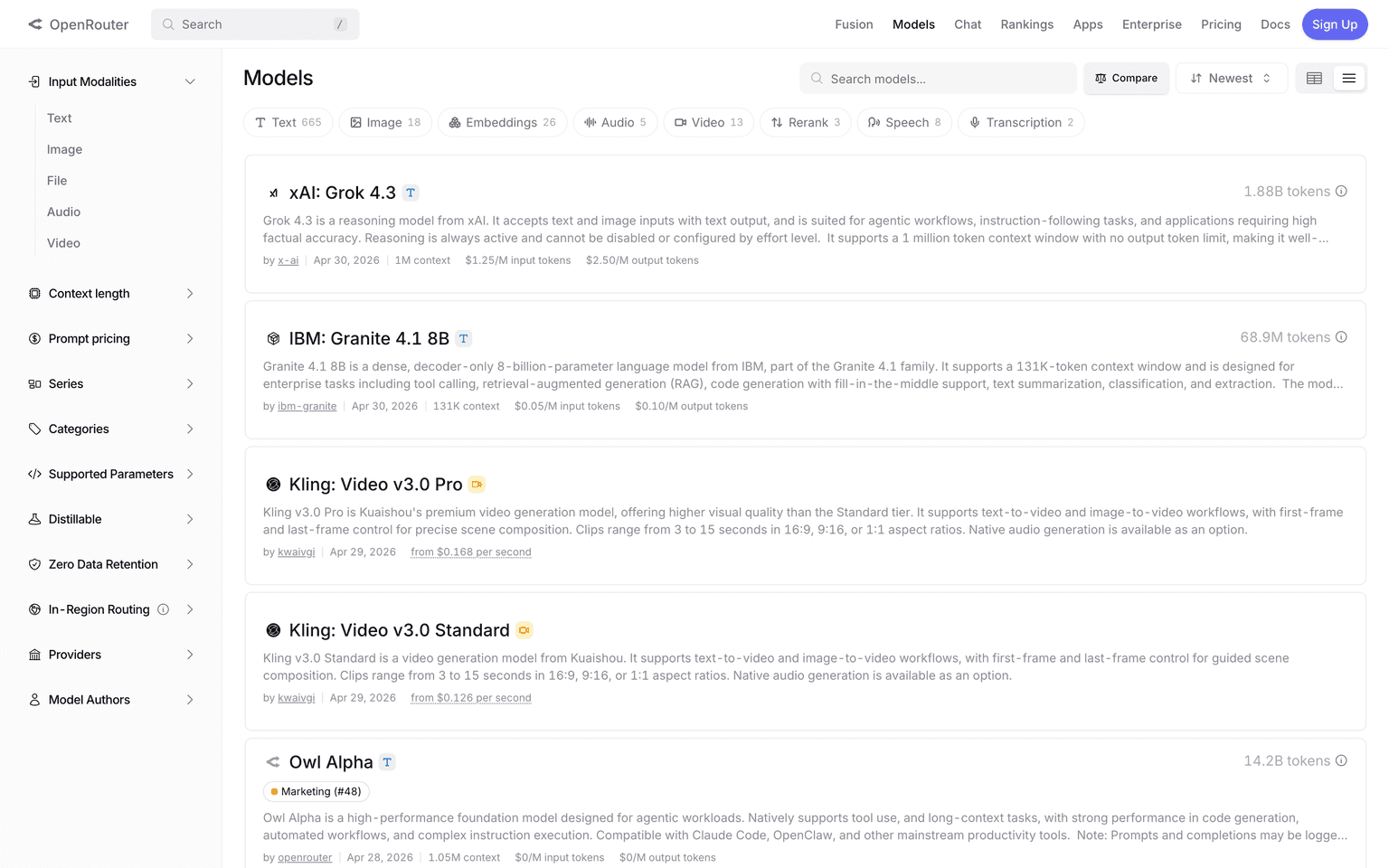
- Catalog tracks the frontier: FLUX.2, Kling 3.0, Veo, Seedream and 1,000+ more models behind one API, usually available within days of release
- Per-output pricing is published per model (FLUX.2 [pro] at $0.03/megapixel) with no minimums or idle costs
- Production scale is proven: 2.5M developers and Canva, Adobe, and Amazon MGM Studios as customers
What doesn't
- Catalog churn is real — models get superseded and deprecated fast, so version-pinning and migration planning are on you
- Video generation costs ($0.08–0.15 per 5-second clip) multiply quickly at product scale; forecast before launch
fal.ai is generative media inference as an API: 1,000+ image, video, audio, and 3D models behind one endpoint, so you don't host, optimize, or scale any of it yourself. The catalog tracks the frontier closely — FLUX.2, Kling 3.0 Pro, Veo, Seedream, Wan, plus the long tail of open-source models — and that currency is the actual product. When a new video model drops, fal tends to have it servable within days, which matters more than any single model choice if you're shipping a media feature that needs to stay competitive.
When we last reviewed this platform, the honest caveat was that speed and reliability claims needed production validation. That validation has arrived. fal serves 2.5 million developers per its May 2026 AWS scaling announcement, and the named customer list includes Canva, Adobe, and Amazon MGM Studios — companies that do run the numbers against self-hosting. The funding trajectory tells the same story: a $125M Series C at $1.5B in July 2025, then $140M led by Sequoia at $4.5B in December 2025, with reports in early 2026 of a new round in the $8B range. None of that proves your specific workload will be fast, but it retires the 'is this real infrastructure' question.
Pricing is per-output and published per model: FLUX.2 [pro] runs $0.03 per megapixel, Seedream about $0.04 per image, and Kling-class video lands around $0.08–0.15 per 5-second 1080p clip, with a GPU-second option (H100 at $1.89/hour) for custom workloads and no minimum commitments. The remaining watch-items are catalog churn — models get superseded fast, so pin versions and plan deprecation paths — and video unit economics, where per-clip costs multiply quickly once a feature gets real usage. Model the bill before you ship the button.
User Reviews
Similar Tools