Ray
Ray is an open-source unified compute framework designed to scale AI and Python workloads seamlessly.
Overview
Ray: The Unified Compute Framework for AI and Python
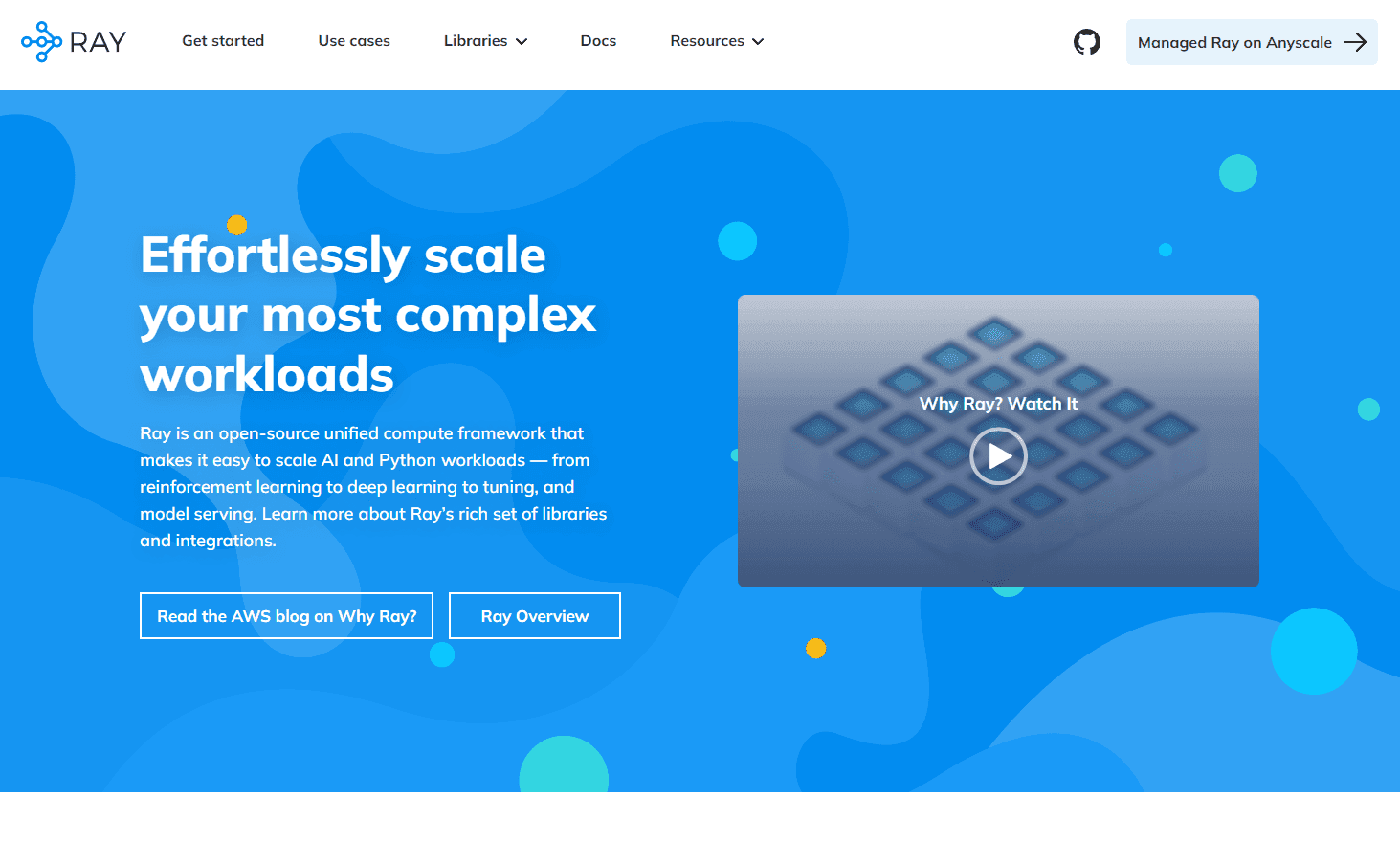
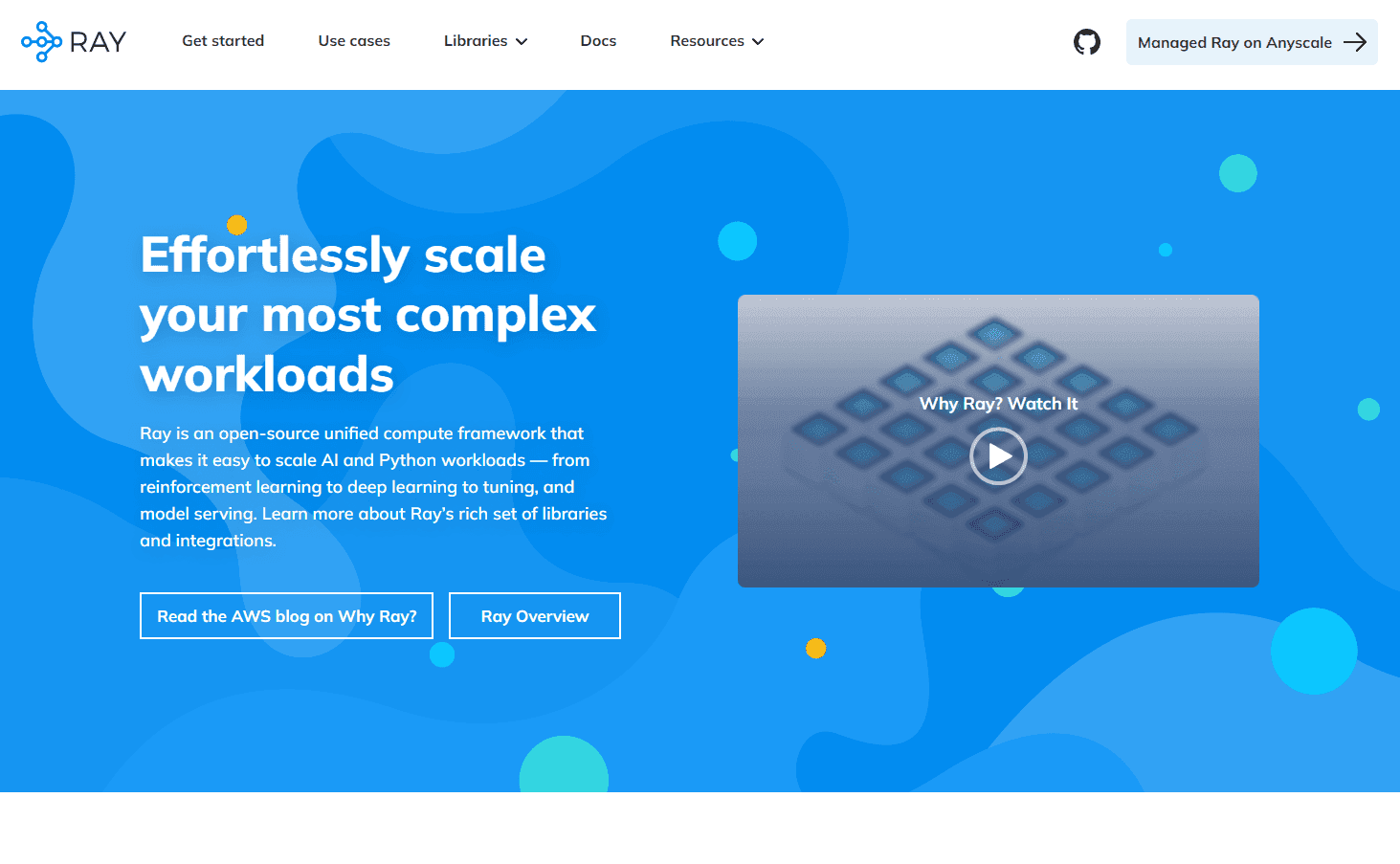
Ray stands as a revolutionary open-source platform that offers a unified compute framework. It's specifically tailored to scale AI and Python workloads, ensuring optimal performance across various applications. Whether it's reinforcement learning, deep learning, tuning, or model serving, Ray provides the necessary infrastructure to handle these tasks efficiently. With its rich set of libraries and integrations, Ray is the go-to solution for businesses and individuals looking to harness the power of AI without the complexities of traditional platforms.
Key Features:
- Dynamic Infrastructure: Ray provides a unified compute framework that adapts to diverse AI and Python workloads.
- Cross-Platform Compatibility: Ray is designed to work seamlessly across various applications, from reinforcement learning to deep learning and beyond.
- Unified Job Management: Manage all your AI tasks in one place with Ray's comprehensive dashboard.
- Resource Monitoring: Track and optimize the usage of resources in real-time.
- Real-time Notifications: Stay updated with the progress of your tasks with instant notifications.
- Extensive Library Support: Ray comes with a rich set of libraries and integrations, making it a versatile platform for all AI-related tasks.
Ideal Use Case:
Ray is ideal for businesses, researchers, and developers who require a unified platform to manage and scale their AI and Python workloads. Its flexibility and comprehensive feature set make it suitable for a wide range of applications.
Why use Ray:
- Unified Framework: Ray offers a single platform for all AI and Python tasks, eliminating the need for multiple tools.
- Optimized Performance: With Ray, users can ensure optimal performance for their workloads, thanks to its advanced resource management features.
- Open-Source: Being open-source, Ray is continuously updated and improved by a vast community of developers and experts.
- Extensive Support: Ray's rich set of libraries and integrations ensures that users have all the tools they need for their projects.
FAQ
What is Ray and what can it do? Ray is an open-source unified compute framework that helps you scale AI and Python workloads across distributed systems. It's designed to handle large-scale computing tasks seamlessly without requiring you to completely rewrite your code.
Who should use Ray? Ray is built for teams and developers working with AI models and Python applications that need to process large amounts of data or run compute-heavy tasks across multiple machines. It's especially useful if you want an open-source alternative to proprietary distributed computing platforms.
How much does Ray cost? Ray is open-source and available for free. Visit the Ray pricing page for information about any commercial support or managed services that may be available.
How does Ray compare to similar tools? Ray is one of several options in the distributed compute space alongside alternatives like Grok, fal.ai, and Vercel AI SDK. Ray stands out as an open-source framework that gives you full control over your infrastructure and can integrate directly into your existing Python workflows.
tl;dr:
Ray provides a comprehensive open-source platform for managing and scaling AI and Python workloads, ensuring optimal performance and efficiency.
Related
Looking for more options? Browse the AI Infrastructure directory or read our best AI infrastructure tools listicle. Ray is also tracked on Crunchbase.
Why Use Ray
Editorial Review
Our take on Ray.

Open-source compute framework that handles distributed Python and AI workloads, with solid community backing but limited mainstream visibility.
What works
- Open-source with no vendor lock-in
- Joined the PyTorch Foundation; Ray Serve adds vLLM-backed distributed LLM serving
- Handles distributed Python and AI workloads natively
What doesn't
- Infrastructure-level tool; requires technical investment to evaluate
- Limited mainstream visibility relative to alternatives
Ray positions itself as a unified framework for scaling Python workloads—everything from traditional data processing to LLM serving. The framework handles distributed computing without requiring you to rewrite your code from scratch, which is genuinely useful if you're already working in Python.
Where Ray sits is interesting: it's infrastructure-level tooling, not a consumer-facing product. That matters for who should care. If you're running ML pipelines at scale or need to parallelize compute work, this is worth evaluating. The paid pricing model suggests enterprise support and managed hosting exist, though specifics aren't clear here.
The rough edge is discoverability and onboarding. Open-source infrastructure tools often have solid documentation but steep learning curves. You'll want to assess whether Ray's distributed-computing model aligns with your actual bottlenecks before investing time.
User Reviews
Similar Tools