TestMU AI
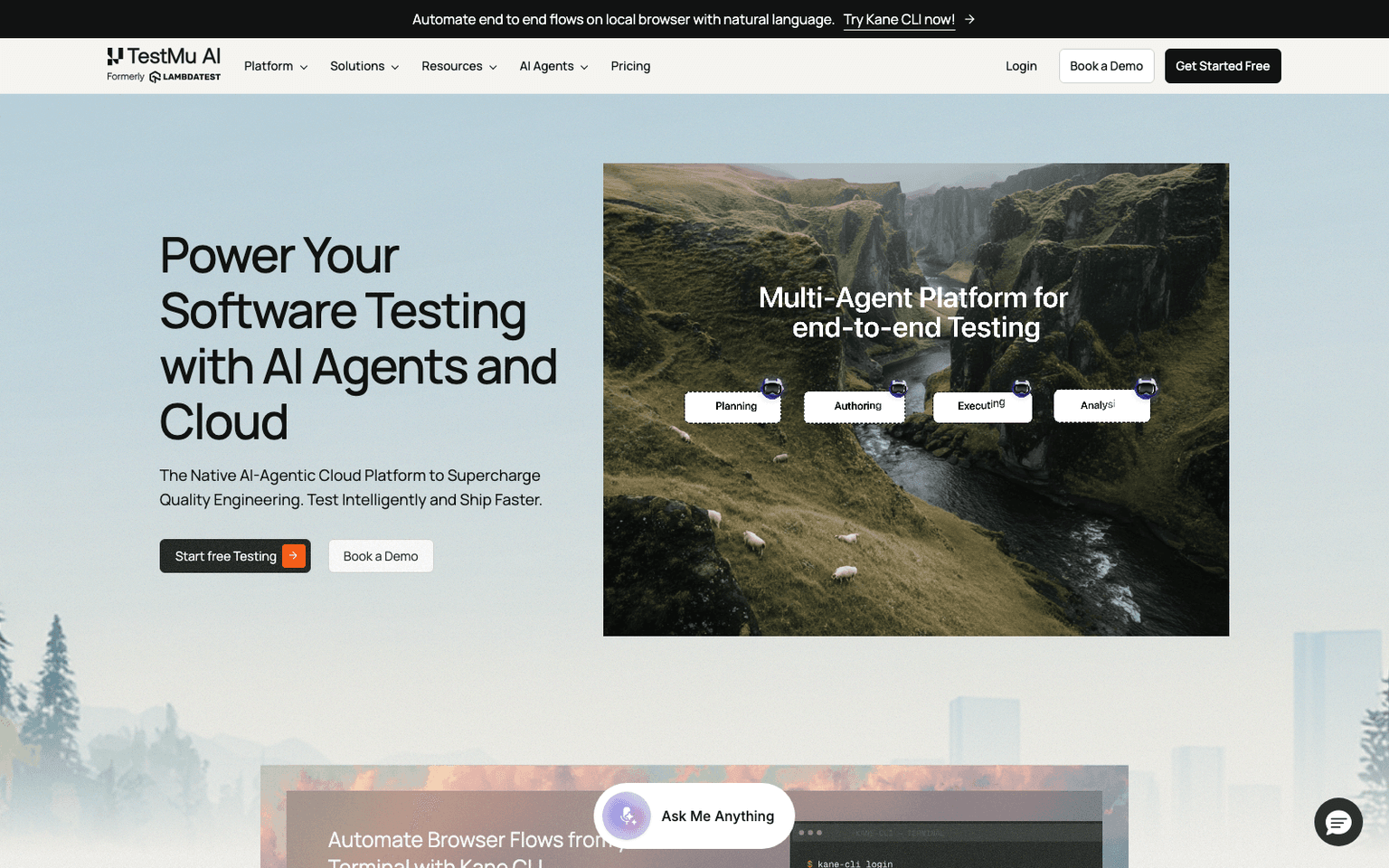
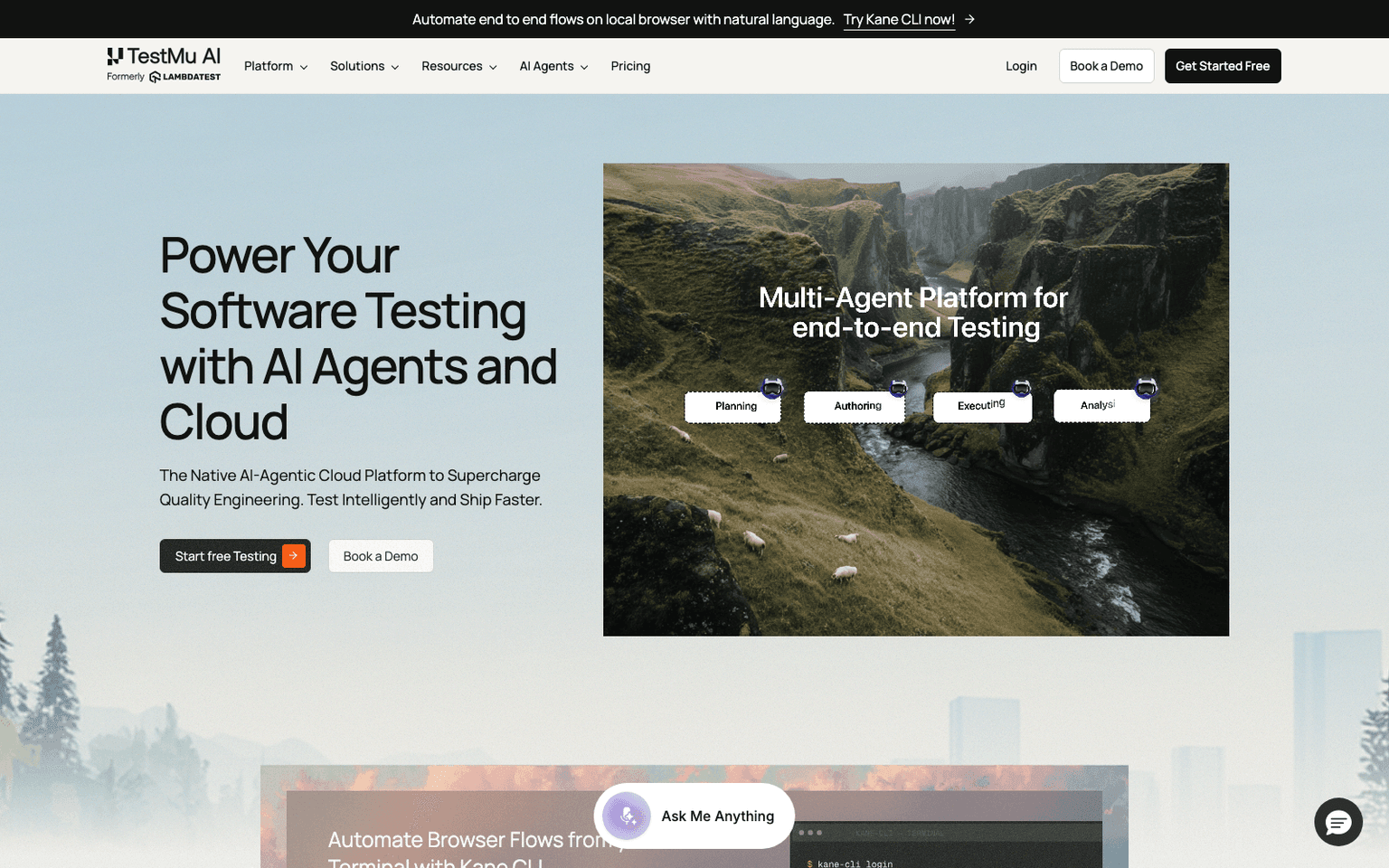
TestMU AI is an AI test automation platform that auto-generates, executes, and self-heals end-to-end tests for web and mobile applications.
Overview
TestMU AI: AI Test Automation Platform
TestMU AI is AI auto-generates end-to-end tests from natural-language descriptions. TestMU AI sits in the modern AI-test-automation category. The combination of test generation from NL + self-healing on UI changes is the standard pitch; differentiation comes from execution reliability and AI quality.
Key Features
- AI auto-generates end-to-end tests from natural-language descriptions
- Self-healing tests adapt to UI changes without manual updates
- Cross-browser and cross-device execution at scale
- Visual testing with AI-driven diff detection
- CI/CD integrations: GitHub Actions, GitLab CI, CircleCI, Jenkins
- Designed for QA teams reducing maintenance overhead
- Competes with established test-automation incumbents like Mabl, Testim, and Functionize
Ideal Use Case
QA teams and engineering orgs spending too much time maintaining flaky end-to-end tests — looking for AI-driven test creation and self-healing to reduce maintenance burden.
Why Use TestMU AI
TestMU AI sits in the modern AI-test-automation category. The combination of test generation from NL + self-healing on UI changes is the standard pitch; differentiation comes from execution reliability and AI quality.
FAQ
What does TestMU AI do? TestMU AI is an AI test automation platform that automatically generates, executes, and self-heals end-to-end tests for web and mobile applications. It helps teams reduce manual testing effort and keep tests current as applications change.
Who should use TestMU AI? TestMU AI is designed for development teams and QA engineers who want to automate their testing workflows and reduce the time spent on manual test creation and maintenance for web and mobile apps.
How much does TestMU AI cost? TestMU AI operates on a freemium model, allowing you to get started at no cost. Visit the TestMU AI pricing page for current plans and paid tier details.
How does TestMU AI compare to similar tools? Unlike code-focused tools like GitHub Copilot and Cursor, TestMU AI specializes specifically in test automation with self-healing capabilities. While other platforms focus on general development or low-code app building, TestMU AI concentrates on automating the full lifecycle of end-to-end testing.
tl;dr
AI test automation. NL test generation + self-healing. Web + mobile. CI-native.
Related
Looking for more options? Browse the Developer Tools directory or read our best AI coding tools listicle. TestMU AI is also tracked on Crunchbase.
Why Use TestMU AI
Editorial Review
Our take on TestMU AI.

Self-healing test automation that removes boilerplate, but you'll want to validate how it handles your app's quirks.
What works
- Removes repetitive test-writing and selector maintenance work
- Covers web and mobile without separate tooling
- Self-healing reduces flakiness from UI changes
What doesn't
- Self-healing effectiveness depends on app stability and predictability
- Moderate adoption suggests validation needed for your specific workflows
TestMU AI tackles a real friction point: writing and maintaining end-to-end tests feels like busywork, especially as your app changes. The core idea—auto-generate tests, run them, and patch them when UI shifts break assertions—is genuinely useful. It handles both web and mobile, which keeps you from fragmenting your test stack across tools. The self-healing angle is the real draw; tests that fix themselves when selectors shift could save hours of maintenance per sprint.
That said, self-healing isn't magic. It works best when your app's changes are incremental and predictable. If you're doing major refactors or your UI is heavily dynamic, the tool's ability to stay in sync gets tested. The freemium model is good for kicking tires, though you'll need to dig into pricing conversations for anything serious.
Best suited for teams who already own their test infrastructure and want to reduce maintenance overhead, not as a foundation for teams building their first test suite. Pair it with manual spot-checks of critical paths.
User Reviews
Similar Tools