LangChain
A platform for building context-aware LLM applications.
Overview
Building LLM Applications with LangChain
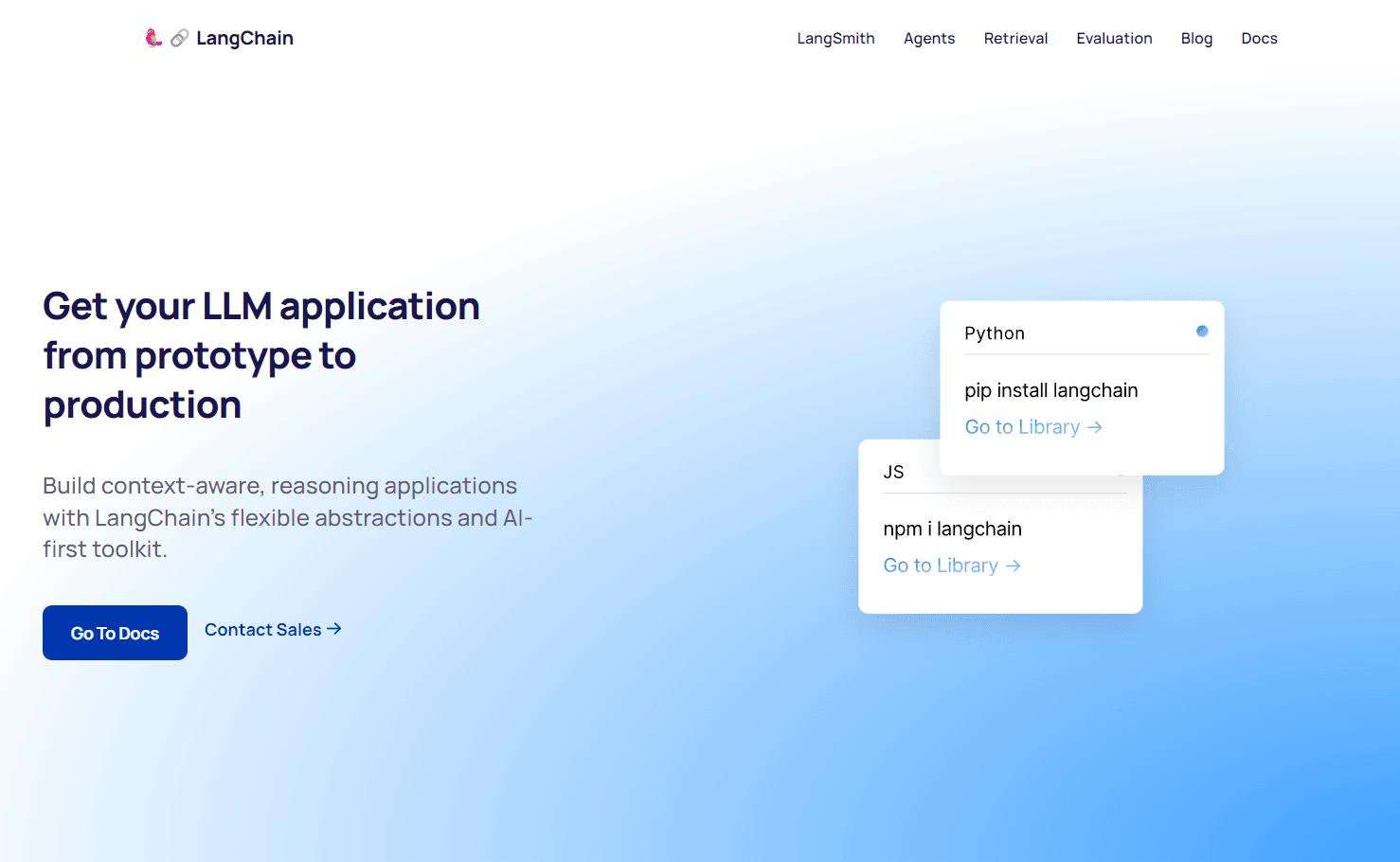
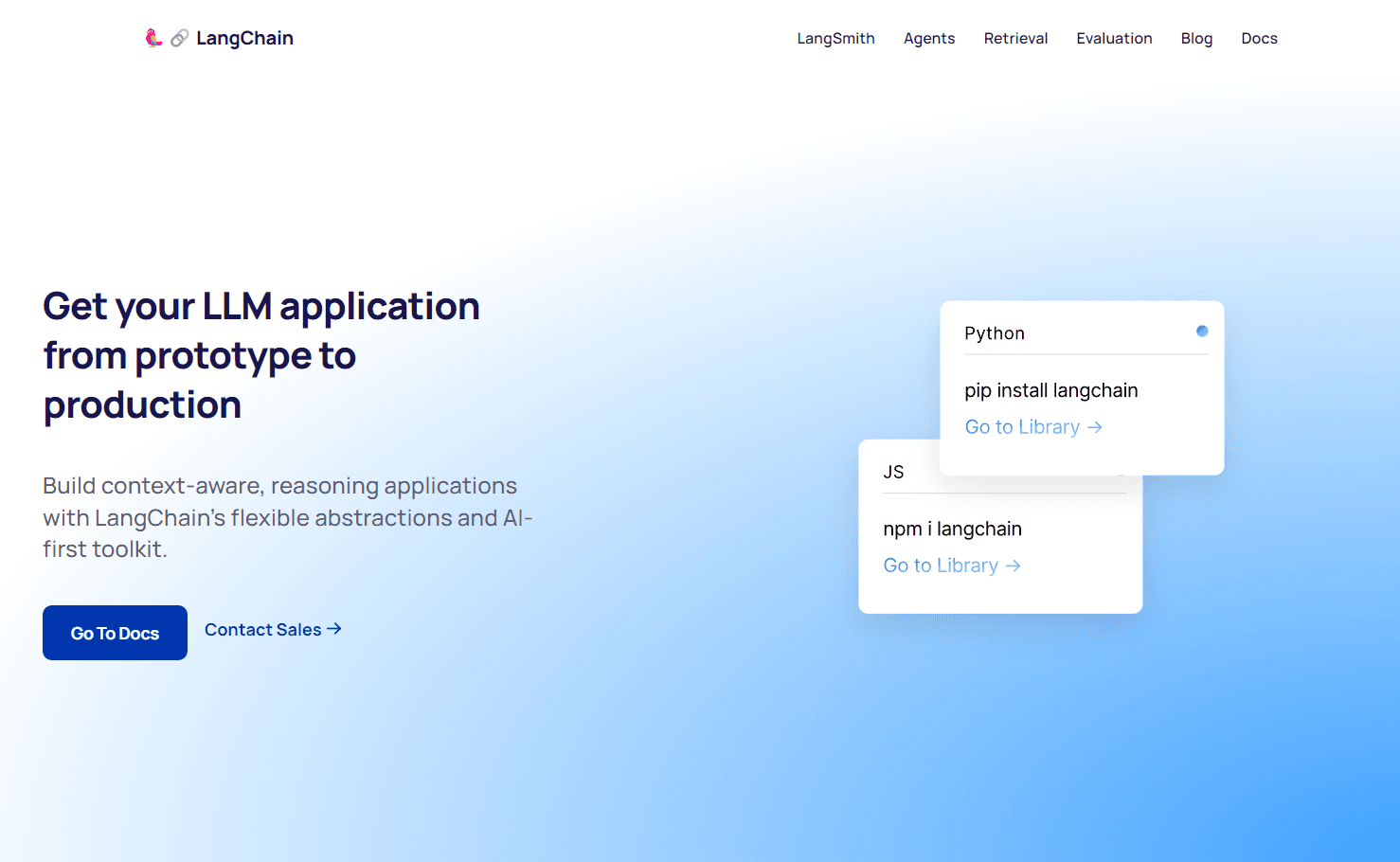
LangChain offers a comprehensive platform designed to transition LLM applications from prototype to production. With its flexible abstractions and AI-first toolkit, developers can create context-aware applications that reason and adapt. LangChain not only provides the tools but also ensures that applications are production-ready, optimizing for real-world deployment.
Key Features:
- Comprehensive Library: Access to open-source components and pre-built chains for diverse use-cases.
- Smart Connections: Seamless integrations with various data or knowledge sources.
- Easily-Swappable Components: Prepare for a multi-model world, experiment, compare, and optimize with ease.
- Production-Readiness: LangSmith provides insights into model performance, coupled with tools for debugging, testing, and monitoring.
Ideal Use Case:
Developers and corporations looking to harness the power of LLMs for applications like chatbots, document analysis, workflow automation, and more.
Why use LangChain:
- Versatility: From chatbots to document analysis, cater to infinite use-cases.
- Community Support: Build alongside a thriving community of developers.
- Optimized for LLMs: Tools specifically designed for non-deterministic models.
- Cognitive Architectures: Leverage new architectures and robust orchestration.
FAQ
What does LangChain help you build? LangChain is a platform for building context-aware applications powered by large language models. It helps developers create LLM applications that can understand and respond to specific context and information.
Who should use LangChain? LangChain is designed for developers and teams building AI-powered applications that need to leverage language models with contextual awareness. It's useful for anyone creating intelligent systems that require LLM capabilities integrated into their workflows.
How much does LangChain cost? LangChain uses a paid pricing model. Visit the LangChain pricing page for current plans and details on how to get started.
How does LangChain compare to other LLM platforms? LangChain is one of several options in the LLM application space, alongside alternatives like Claude and Anthropic. The right choice depends on your specific needs, technical requirements, and integration preferences.
tl;dr:
LangChain is a developer's platform for creating and deploying LLM applications. With a focus on context-awareness and reasoning, it provides the tools and support needed to transition from prototypes to production-ready applications.
Related
Looking for more options? Browse the AI/ML Models directory or read our best AI models listicle. LangChain has a Wikipedia entry and is tracked on Crunchbase.
Why Use LangChain
Editorial Review
Our take on LangChain.

A framework that lets you orchestrate LLMs into real applications, but it's infrastructure-heavy and assumes you're comfortable with code.
What works
- Abstracts away plumbing between LLM calls and data sources
- Flexible enough for complex multi-step workflows
- Mature community and ecosystem of integrations
What doesn't
- Steep learning curve, requires solid coding comfort
- Pricing model opaque; costs depend on usage and deployment
LangChain sits in that middle ground where it's not the LLM itself—it's the scaffolding that lets you wire LLMs into workflows. Think of it as connective tissue: you bring your own language model (OpenAI, Anthropic, whatever), and LangChain handles memory management, tool calling, retrieval-augmented generation, and chaining operations together. It's genuinely useful if you're building something that needs to do more than a single prompt-and-response, like maintaining conversation history or pulling data from your own documents.
The reality is that LangChain has a learning curve. You're dealing with Python abstractions and architectural decisions that matter—how you structure agents, what counts as context, whether you're using memory effectively. That said, it's not a no-code playground. If you're a developer or startup building LLM-powered products and need flexibility, it's worth evaluating. If you're looking for something that works immediately, you might find yourself wrestling with documentation and design patterns first.
User Reviews
Similar Tools