Deepseek
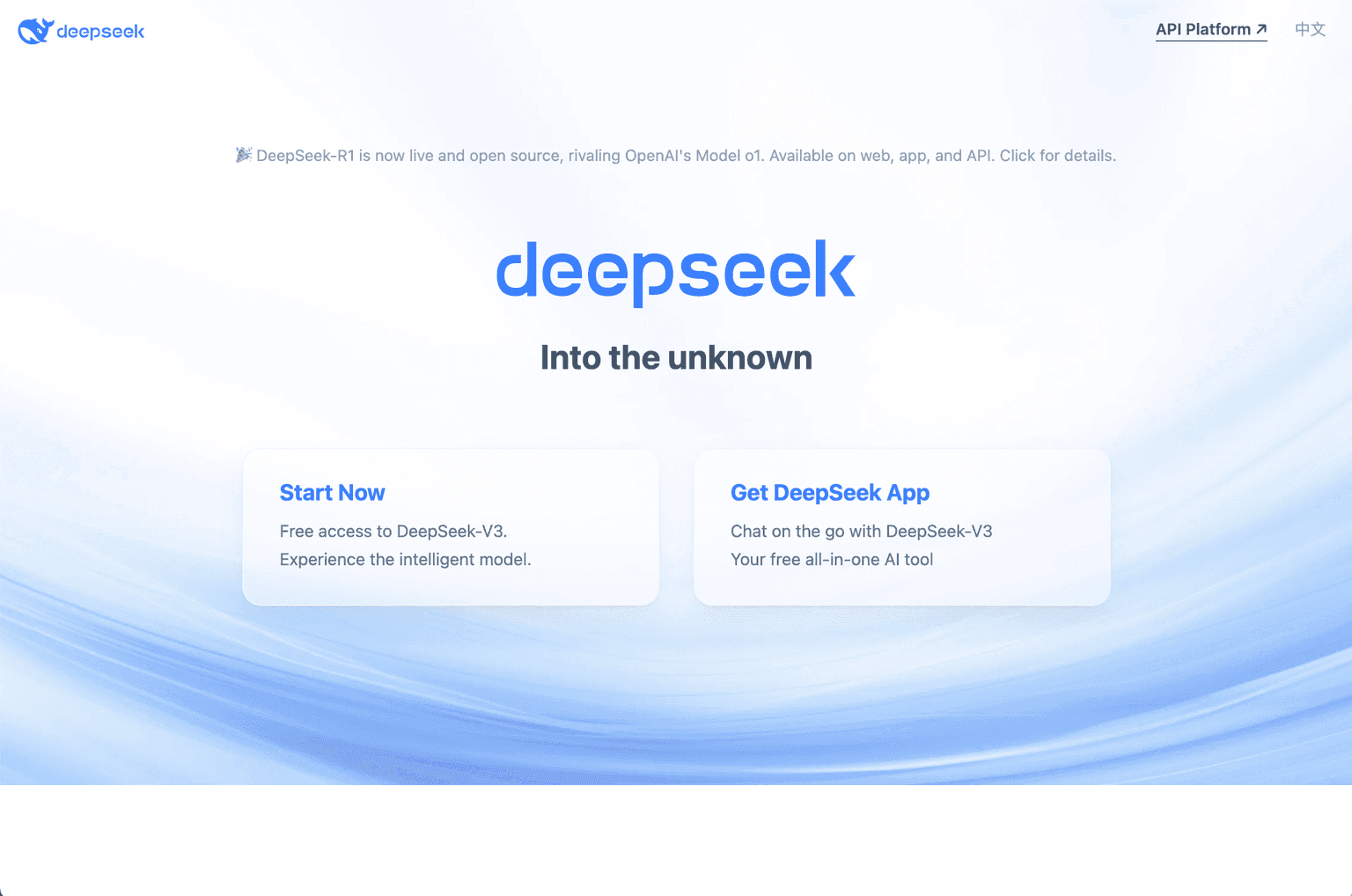
Advanced AI platform offering open-source large language models for diverse use cases
Overview
Push the Limits of AI with DeepSeek: The Open-Source AI Powerhouse
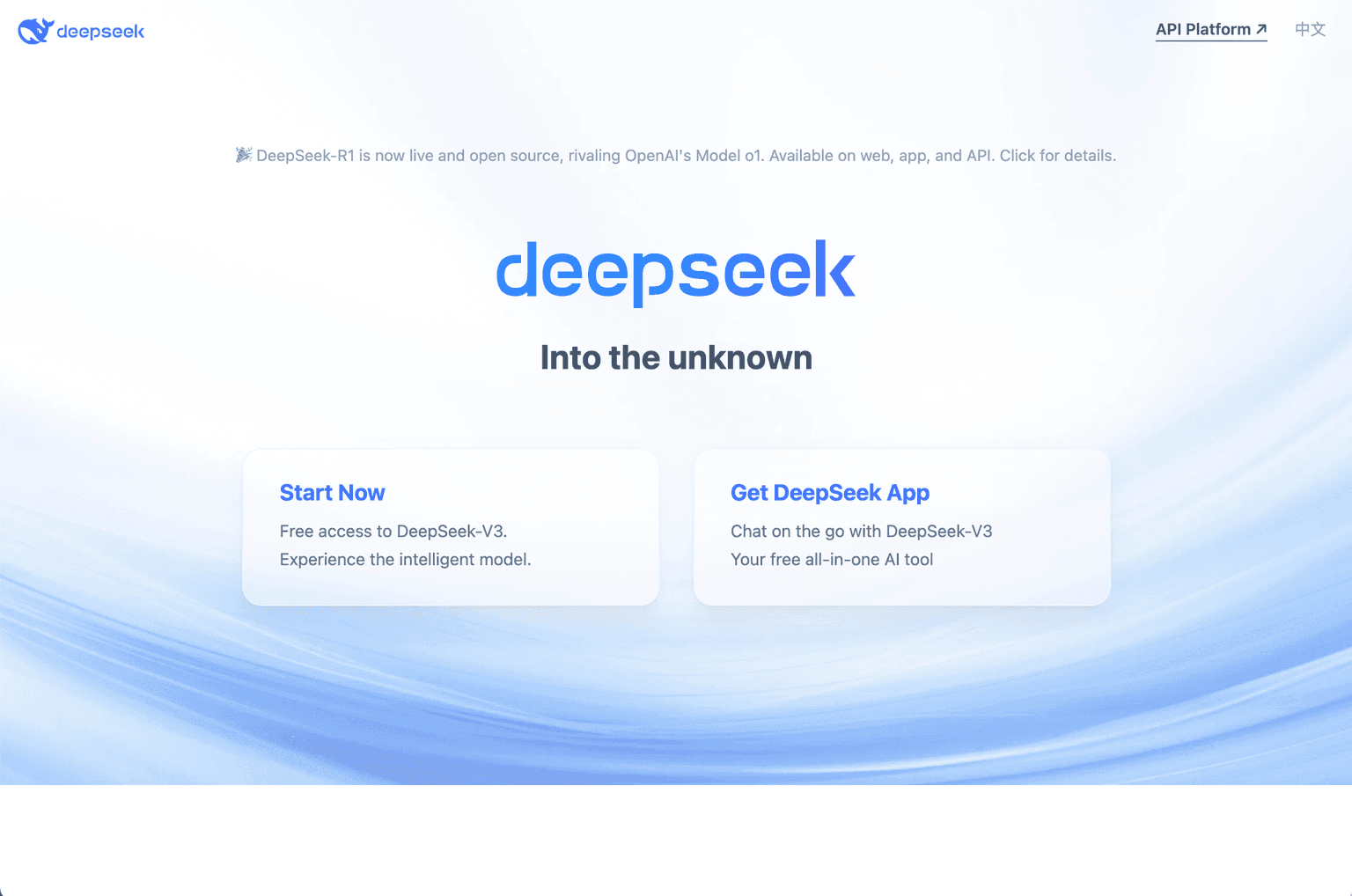
DeepSeek is a state-of-the-art AI platform offering advanced large language models (LLMs) designed to rival the capabilities of closed-source systems. The platform caters to developers, researchers, and enterprises looking to leverage cutting-edge AI tools for a wide range of applications, including natural language processing, coding, and data analysis. DeepSeek combines open-source accessibility with top-tier performance, ensuring scalability and adaptability for diverse industries.
Key Features:
- Open-Source Models: Access powerful LLMs like DeepSeek V3, optimized for various tasks.
- Advanced Benchmark Performance: Outperforms many models on metrics like MMLU, LongBench, and HumanEval.
- Multi-Functionality: Supports tasks like coding, mathematics, language understanding, and complex problem-solving.
- Scalable API Integration: Easily integrate AI capabilities into existing systems with robust API support.
- Real-Time Chat: Interact with DeepSeek models for dynamic, AI-driven assistance.
- Global Language Support: Models optimized for multiple languages, including English and Chinese.
- Developer-Friendly Tools: Access to GitHub repositories for customization and further development.
Ideal Use Case:
DeepSeek is perfect for developers, researchers, and enterprises seeking high-performing, open-source AI solutions for natural language processing, coding, data analysis, and more.
Why Use DeepSeek:
- High Performance: Rivals leading closed-source models in speed and accuracy.
- Cost-Effective: Open-source accessibility reduces deployment costs.
- Customizable: Developers can tailor models to specific applications.
- Wide Applications: Ideal for coding, data analytics, language tasks, and research.
- Global Reach: Multi-language support ensures usability across industries worldwide.
FAQ
What does Deepseek do? Deepseek is an advanced AI platform that provides open-source large language models you can use for a wide range of tasks and applications. It's designed to make powerful AI capabilities accessible for diverse use cases.
Who should use Deepseek? Deepseek works well for developers, researchers, and organizations looking to implement large language models without being locked into proprietary solutions. Since it offers open-source models, it appeals to those who want flexibility and transparency in their AI tools.
What's the pricing model for Deepseek? Deepseek operates on a freemium model, meaning you can get started at no cost with access to its capabilities. Visit the Deepseek pricing page for current plans and details on premium features.
How does Deepseek compare to similar AI platforms? Deepseek differentiates itself through its open-source approach, setting it apart from alternatives like Claude and other proprietary AI services. If you value transparency, customization, and community-driven development, Deepseek offers a different philosophy than many closed-source competitors.
tl;dr:
DeepSeek offers open-source LLMs with top-tier performance, supporting developers and enterprises with scalable, customizable AI solutions.
Related
Looking for more options? Browse the AI/ML Models directory or read our best AI models listicle. Deepseek has a Wikipedia entry and is tracked on Crunchbase.
Why Use Deepseek
Editorial Review
Our take on Deepseek.

Open-source LLM platform with solid community backing, but unproven in production reliability at scale.
What works
- V4 Pro is a 1.6T MoE with a 1M-token context and MIT-licensed open weights
- Freemium model removes barrier to trying it out
- Open-source gives you control and avoids vendor lock-in
What doesn't
- R2 has not shipped; roadmap signals come from rumour rather than model cards
- Requires more operational overhead than managed alternatives
Deepseek positions itself as an open-source alternative in a space crowded by Claude and other closed models. The freemium model lowers friction for experimentation, which is the right call for a tool trying to build mindshare against entrenched players.
That suggests real interest without mainstream adoption yet. Open-source models are great for folks who need to run inference locally, avoid API dependency, or tinker with weights—but "advanced" and "diverse use cases" are doing a lot of work in the positioning. You need to know what you're signing up for. If you're evaluating this against Claude for production work, you're making a different bet: fewer hand-holding features, more self-sufficiency required, unproven operational runway.
Worth a spike if you're already in the open-source model space or have the infrastructure to host locally. Don't pick it just because the rating is high and the price is free.
User Reviews
Similar Tools