Databricks
Unified platform for data analytics and AI innovation
Overview
Unified Platform for Data, Analytics, and AI Workloads
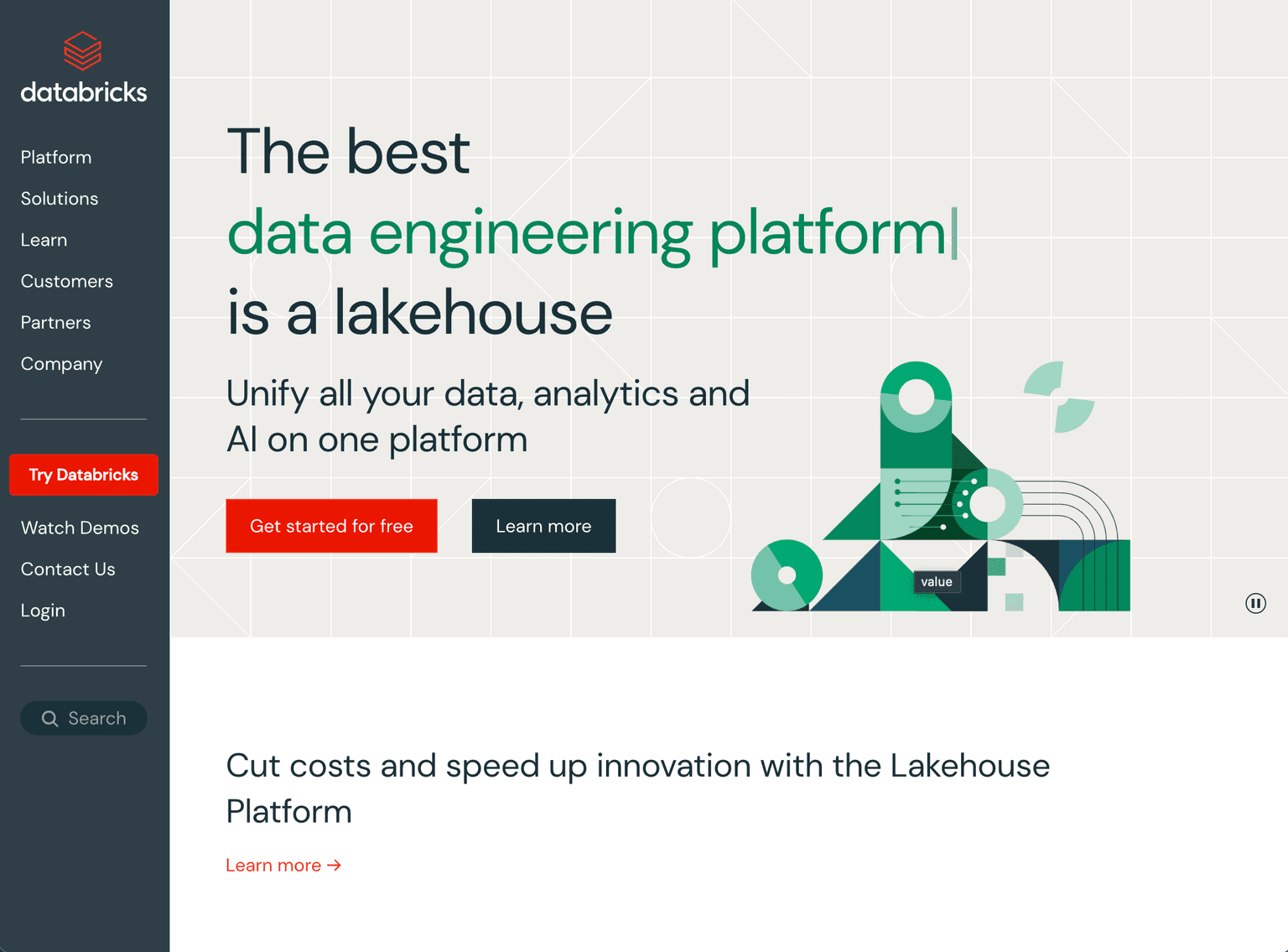
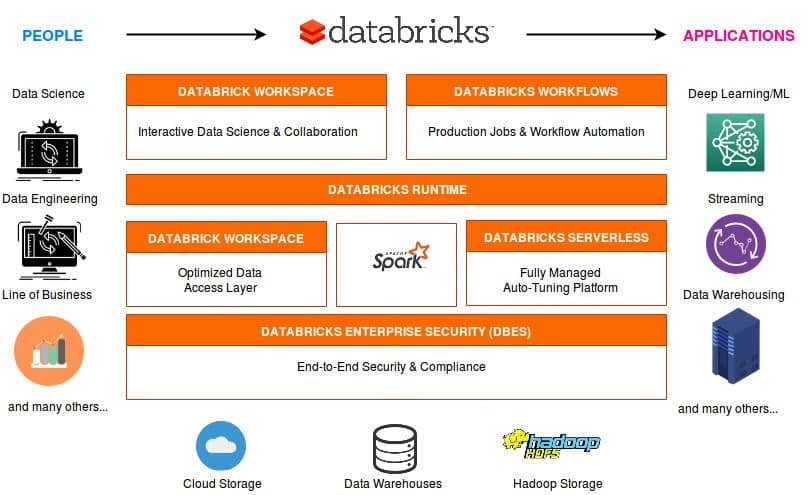
Databricks is a comprehensive platform that combines data warehouses and data lakes into a lakehouse architecture, enabling organizations to collaborate on all their data, analytics, and AI workloads using a single platform. With Databricks, data teams can streamline data ingestion and management, derive insights from the most complete data, and accelerate machine learning across the entire lifecycle. Databricks offers a unified governance model for all structured and unstructured data, ensuring compliance and end-to-end visibility of the data estate.
Key Features:
- Open data sharing for collaboration across platforms.
- Automated and reliable ETL with Delta Lake.
- Databricks SQL for efficient data warehousing.
- Databricks Machine Learning for the full machine learning lifecycle.
- Unified governance with centralized auditing and tracking.
- Scalable solution for various workloads.
Ideal Use Case:
Databricks is ideal for data-driven organizations, data scientists, analysts, and engineers looking to unify their data teams, derive insights, and accelerate machine learning with a secure and scalable platform.
Why use Databricks:
- Cut costs and speed up innovation with the Lakehouse Platform.
- Open standards for easy integration and secure data sharing.
- Streamline data management with automated ETL.
- Derive insights with ready access to fresh and complete data.
- Accelerate machine learning with data-native solutions.
- Maintain compliance with unified governance.
FAQ
What does Databricks do? Databricks is a unified platform designed to handle both data analytics and AI innovation in one place. It brings together the tools teams need to work with data and build AI solutions without switching between multiple systems.
Who should use Databricks? Databricks is built for data teams and organizations that need to perform advanced analytics and develop AI applications at scale. It's particularly suited for companies looking to consolidate their data and AI workflows into a single platform.
How much does Databricks cost? Databricks operates on a paid pricing model. Visit the Databricks pricing page for current plans and to inquire about costs that fit your organization's needs.
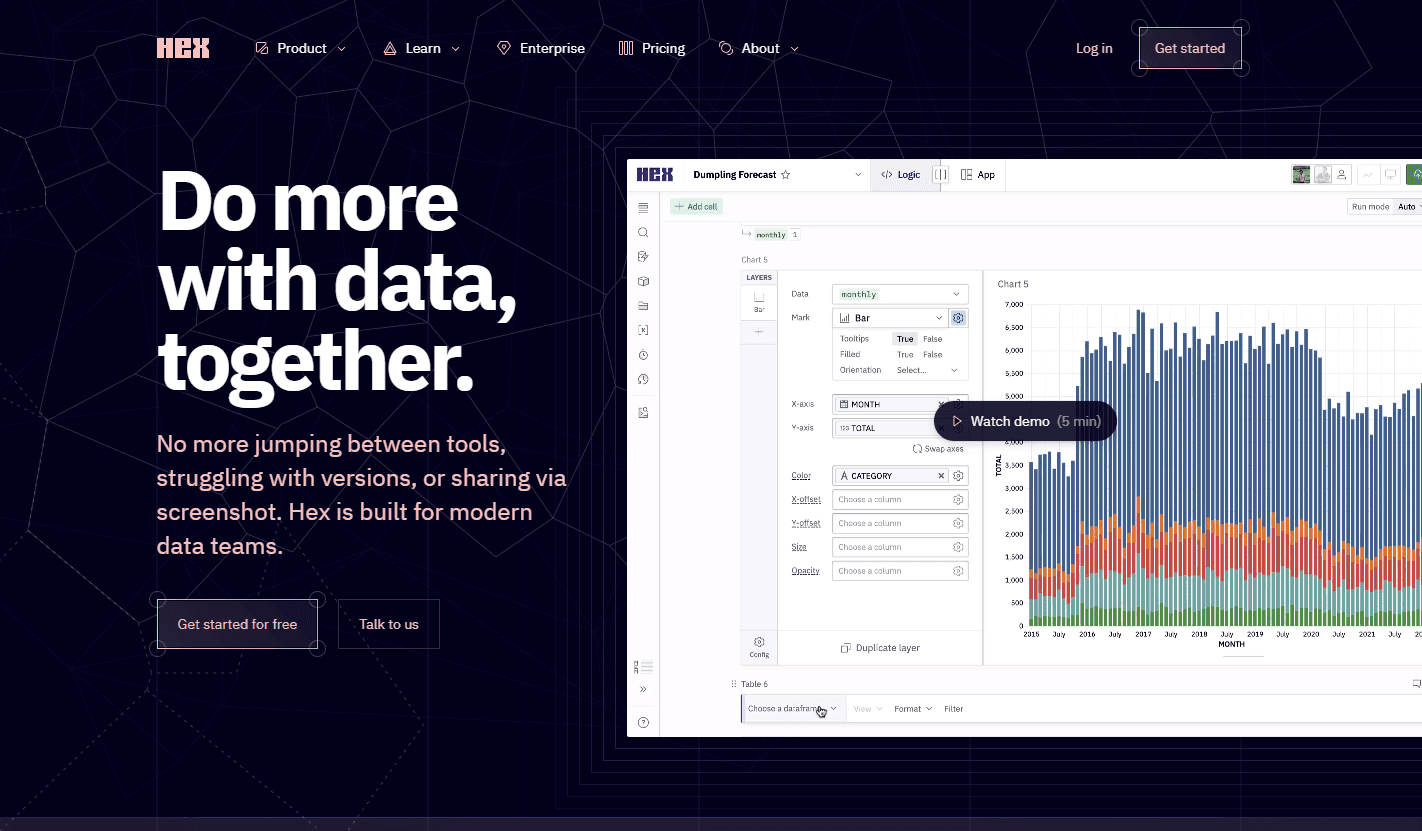
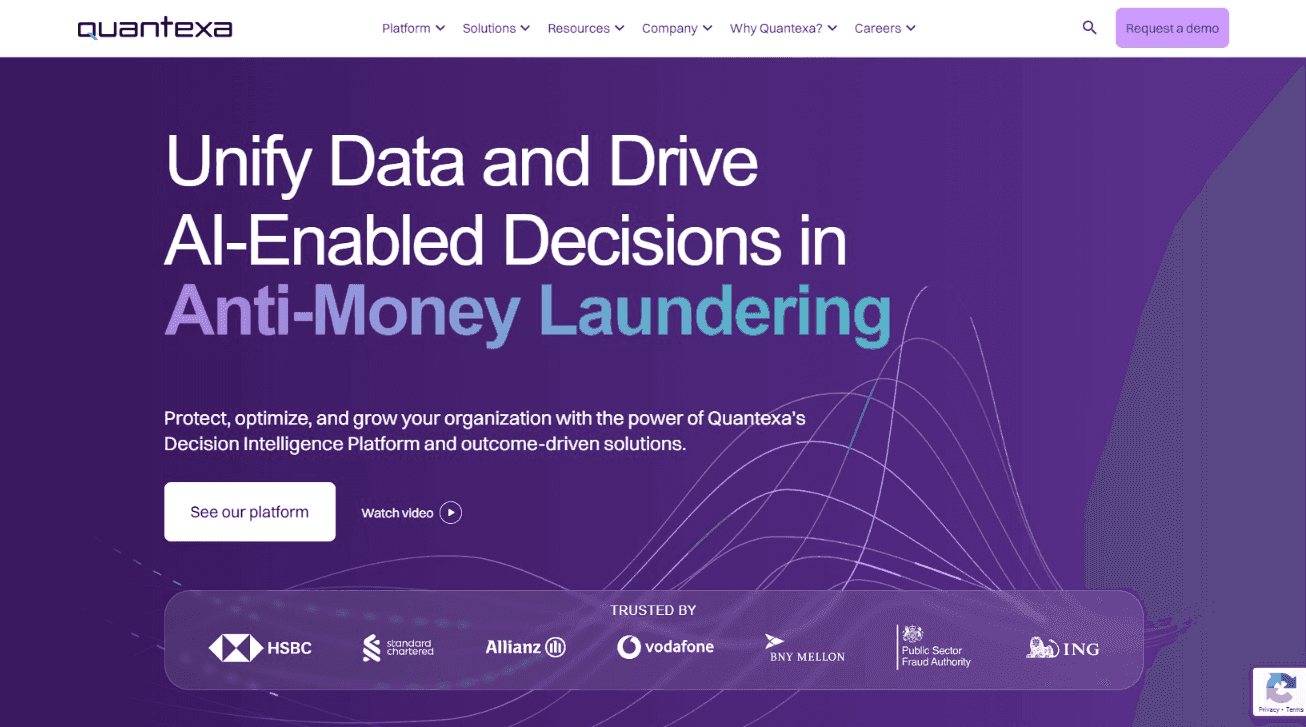
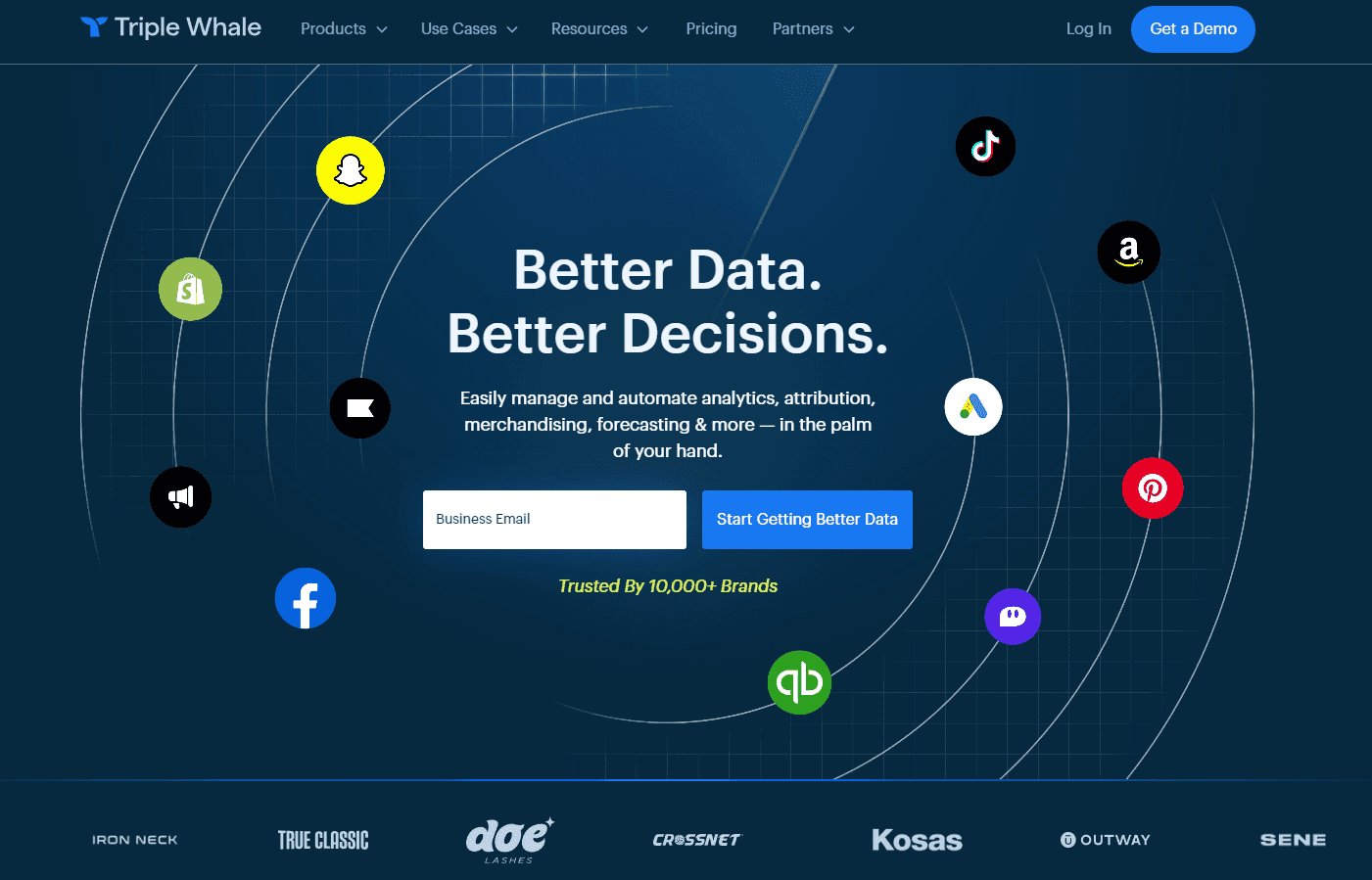
How does Databricks compare to similar tools? Databricks competes in the data analytics and AI space alongside platforms like Hex, Quantexa IQ, and Triple Whale. The right choice depends on your specific workflow requirements and whether you prioritize unified analytics and AI capabilities or specialized features in one area.
tl;dr:
Databricks is a comprehensive platform that combines data warehouses and data lakes into a lakehouse architecture, enabling organizations to collaborate on all their data, analytics, and AI workloads using a single platform. It offers a unified governance model for all structured and unstructured data, ensuring compliance and end-to-end visibility of the data estate.
Related
Looking for more options? Browse the BI & Analytics directory or read our best AI analytics tools listicle. Databricks has a Wikipedia entry and is tracked on Crunchbase.
Why Use Databricks
Editorial Review
Our take on Databricks.

Heavy-duty lakehouse platform that unifies analytics and ML, but enterprise pricing and steep learning curve limit appeal to smaller teams.
What works
- Lakehouse architecture unifies analytics and ML in one system
- Strong Spark foundation handles large-scale data processing
- Unity Catalog governs data, models, notebooks and dashboards across AWS, Azure and GCP
What doesn't
- Custom pricing scales steeply; compute costs can surprise teams
- Steep learning curve; demands experienced data infrastructure skills
Databricks positions itself as the all-in-one answer for analytics and AI—data lakehouse, SQL, notebooks, and MLOps in one system. The platform does consolidate a lot of tools you'd otherwise glue together yourself.
The catch is that you're buying into an opinionated, complex platform. Lakehouse architecture isn't trivial to reason about if your team thinks in tables and schemas. Setup and tuning require serious data infrastructure chops. Pricing is custom and can scale aggressively with compute usage, which means you need to know what you're doing to avoid bill shock. Good fit for organizations with mature data teams running at scale; rough fit for groups experimenting or early-stage in their analytics journey.
It's a pragmatic choice where the unified approach pays dividends—not a tool you pick because it's flashy.
User Reviews
Similar Tools