Hex
Hex is a modern platform for collaborative data science and analytics.
Overview
Hex: The Modern Data Collaboration Platform
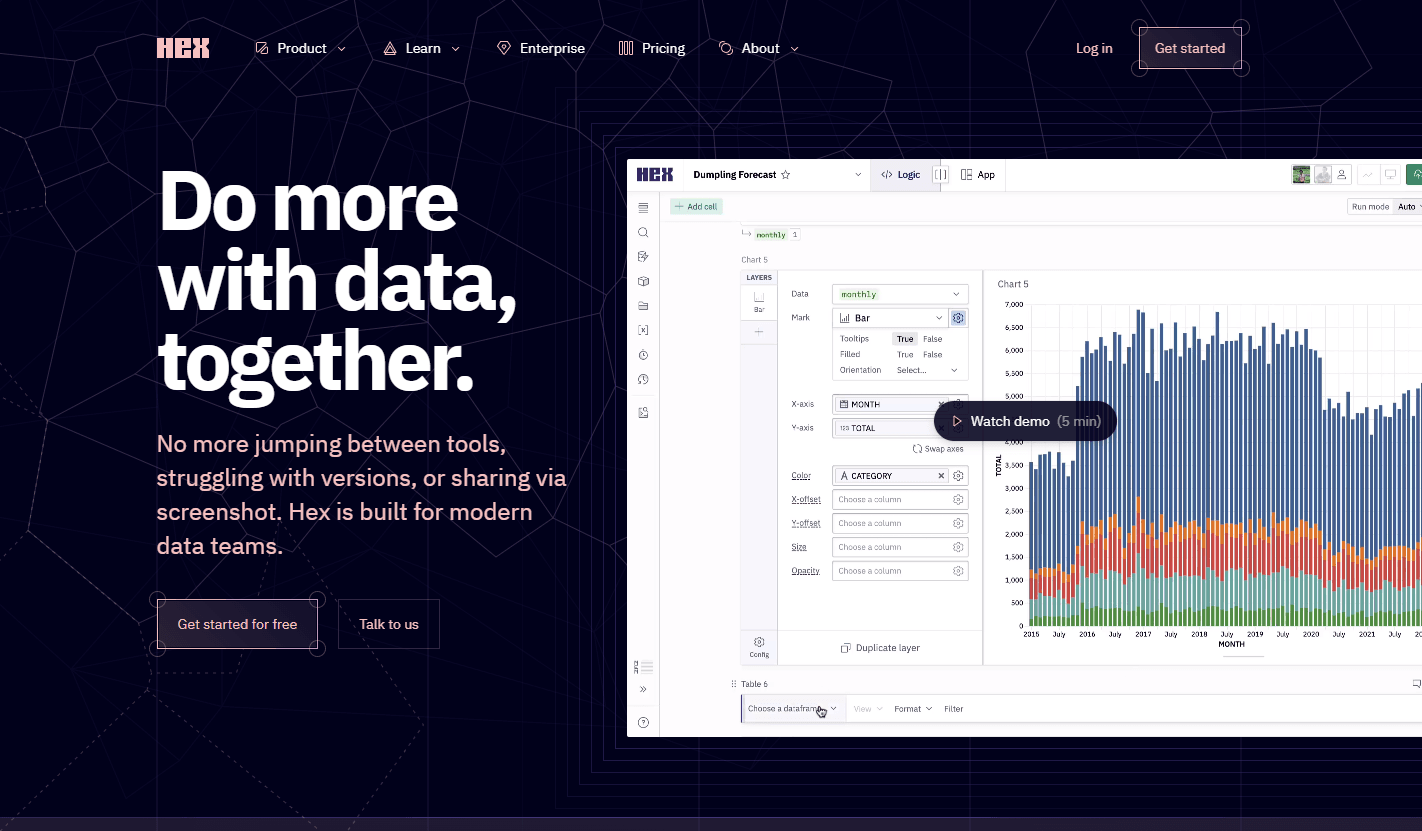
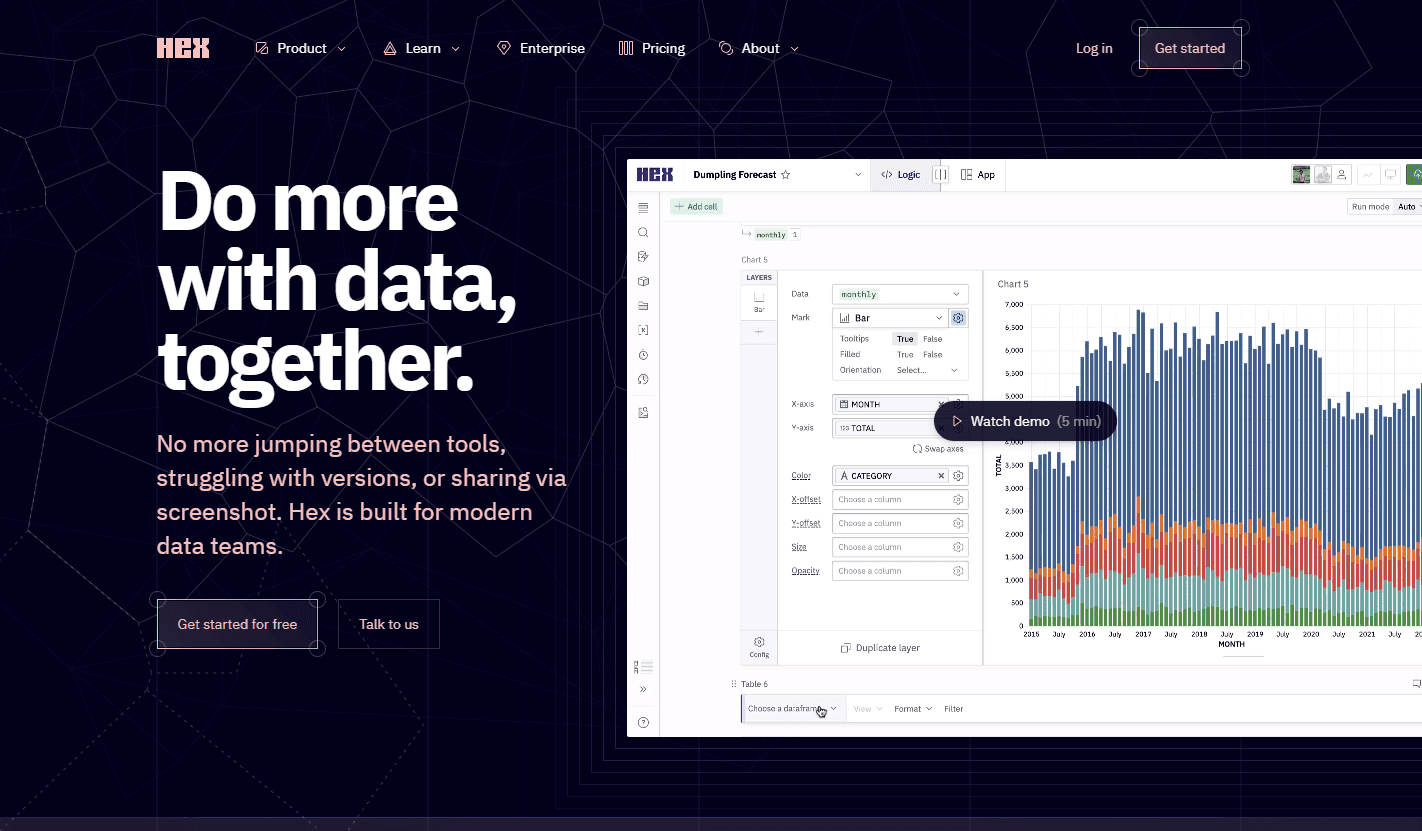
Hex is an innovative data platform designed to streamline the entire analytics workflow. It offers a blend of collaborative notebooks and interactive reports, allowing data teams to work more efficiently. With Hex, users can mix and match SQL, Python, and no-code solutions, making it a versatile tool for various data tasks. Its built-in AI assistant, Hex Magic, further enhances the user experience by aiding in code generation, debugging, and explanation.
Key Features: -
- Polyglot Notebooks: Seamlessly integrate SQL, Python, and no-code in Hex's intuitive notebooks.
- Hex Magic AI: A built-in AI assistant that aids in code generation, debugging, and explanation.
- Interactive Visualizations: Create stunning visualizations, from charts to maps, to better understand your data.
- Governed Metrics: Explore metrics with dbt's Semantic Layer without writing any code.
- Collaboration Tools: Real-time collaboration, version control, and workspace organization.
Ideal Use Case:
Data scientists, analysts, and developers looking for a unified platform to collaborate on data projects, create interactive reports, and showcase their work.
Why use Hex:
- Unified platform for data collaboration and reporting.
- Versatile notebooks supporting SQL, Python, and no-code.
- Advanced AI capabilities with Hex Magic.
- Robust version control and collaboration features.
FAQ
What is Hex and what can it do? Hex is a modern platform designed for collaborative data science and analytics work. It lets teams build, share, and collaborate on data projects in a single workspace.
Who should use Hex? Hex is built for data scientists, analysts, and teams who need to work together on analytics projects and want a more collaborative approach to data exploration and visualization.
How much does Hex cost? Hex operates on a paid subscription model. Visit the Hex pricing page for current plans and pricing details.
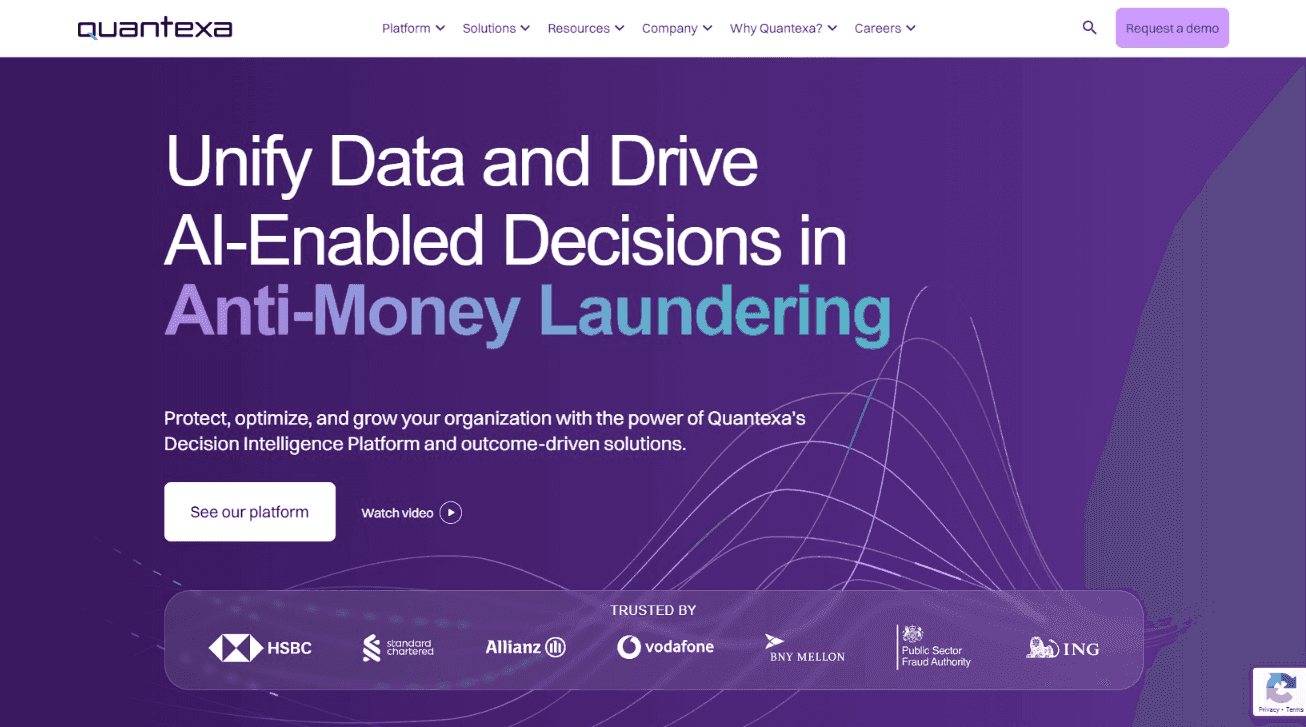
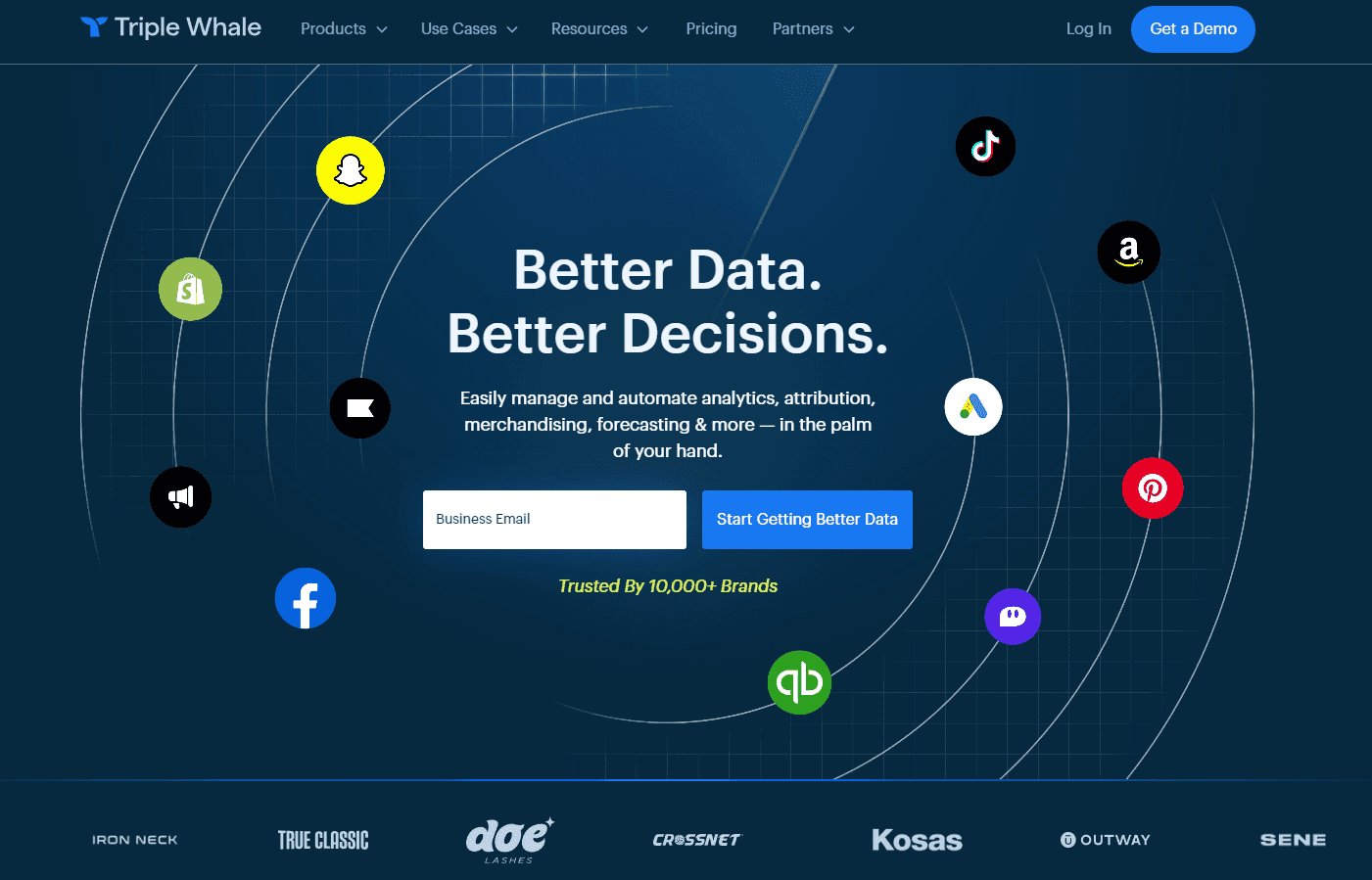
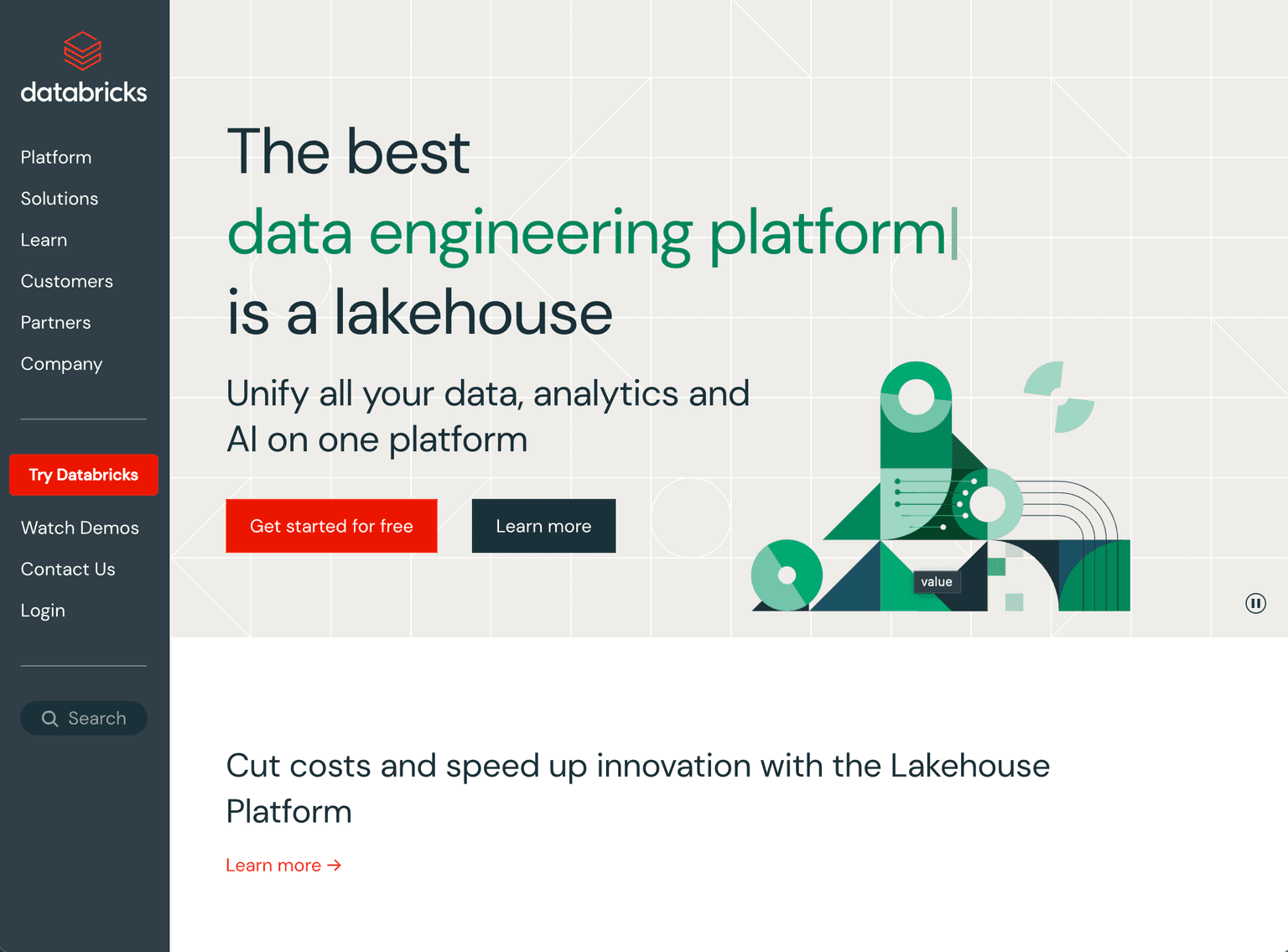
How does Hex compare to other analytics platforms? Hex competes in the collaborative analytics space alongside tools like Quantexa IQ, Triple Whale, and Databricks, each offering different approaches to data science and business intelligence workflows.
tl;dr:
Hex offers a comprehensive platform for data collaboration, allowing teams to work on projects, create interactive reports, and leverage advanced AI capabilities for enhanced productivity.
Related
Looking for more options? Browse the BI & Analytics directory or read our best AI analytics tools listicle. Hex is also tracked on Crunchbase.
Why Use Hex
Editorial Review
Our take on Hex.

Polished collaborative analytics platform that handles notebooks and dashboards well, but premium pricing limits it to teams with real budget.
What works
- Unified notebooks + dashboards reduces tool fragmentation
- Native web collaboration without reinventing notebooks
- Notebook Agent writes analysis with warehouse-schema awareness; zero data retention
What doesn't
- Paid-only model means no low-friction evaluation period
- Positioned between notebooks and BI tools—may not own either niche
Hex positions itself as a modern alternative to scattered Jupyter + BI tool setups. The core pitch is sound: unified environment for data exploration, transformation, and sharing, with actual collaboration features baked in rather than bolted on. The platform handles SQL, Python, and R in a web-native interface, which removes friction compared to local notebooks.
Where it lands depends entirely on your team's workflow. If you're doing exploratory work and need to hand off interactive dashboards to non-technical stakeholders without rebuilding in Looker or Tableau, Hex cuts overhead. The paid-only model and starting price point mean you're committing to a tool rather than kicking tires free. That's reasonable if you know you need it; less so if you're still figuring out your analytics stack. The alternatives listed (Databricks, Quantexa) operate in overlapping but distinct spaces—Hex is lighter than enterprise platforms but heavier than a notebook.
Solid execution and healthy adoption metrics suggest the team ships carefully. No red flags from the data, but also nothing that screams "must have this." It's a competent tool in a space with other competent tools.
User Reviews
Similar Tools