Best AI Headshot Generators (2026)








Best AI Headshot Generators in 2026
If you're researching the best AI headshot generators in 2026, the category has matured into a real alternative to traditional studio photography for most professional use cases. The 2024–2025 model improvements pushed AI-generated headshots from "obviously synthetic" into "indistinguishable for LinkedIn at typical screen sizes," and the leaders below have all built repeatable workflows that produce 60–200 polished images for under $50 — versus $300–$800 for a studio session.
This guide covers the seven AI headshot generators that actually deliver studio-quality output in 2026: Aragon, HeadshotPro, Secta, ProfilePicture.ai, Photo AI, BetterPic, and Avatarize. Each is rated on output quality, turnaround time, customization, and where the honest 2026 limitations sit.
Why AI Headshots Got Real in 2026
The early-2024 AI headshot tools were impressive demos that fell apart on close inspection — wrong fingers, asymmetric earrings, the obvious AI-skin look that telegraphed "this is generated." The 2025 generation shifted that. Better training data, better refinement passes, and better post-processing now produce images that:
- Pass professional-context inspection at typical web sizes (LinkedIn, company website, conference badges)
- Generate 60–200 variations from 10–25 reference photos in under an hour
- Cost $30–$60 versus $300–$800 for traditional studio work
- Allow re-generation to match brand styling, dress code, and shot framing without re-shooting
The remaining limitations are real but increasingly narrow: high-resolution print (8x10 portraits, magazine spreads), fashion shoots that require styling judgment, and any context where the subject is recognizable to colleagues who'd notice subtle differences.
Quick Comparison
| Tool | Best for |
|---|---|
| Aragon | Quality leader. Best for individuals wanting near-studio output across a range of styles. The category benchmark. |
| HeadshotPro | Corporate-focused. Best for businesses needing consistent team headshots and corporate-styled output. |
| Secta | Polished UX. Best for users wanting a fast, friendly workflow without a steep learning curve. |
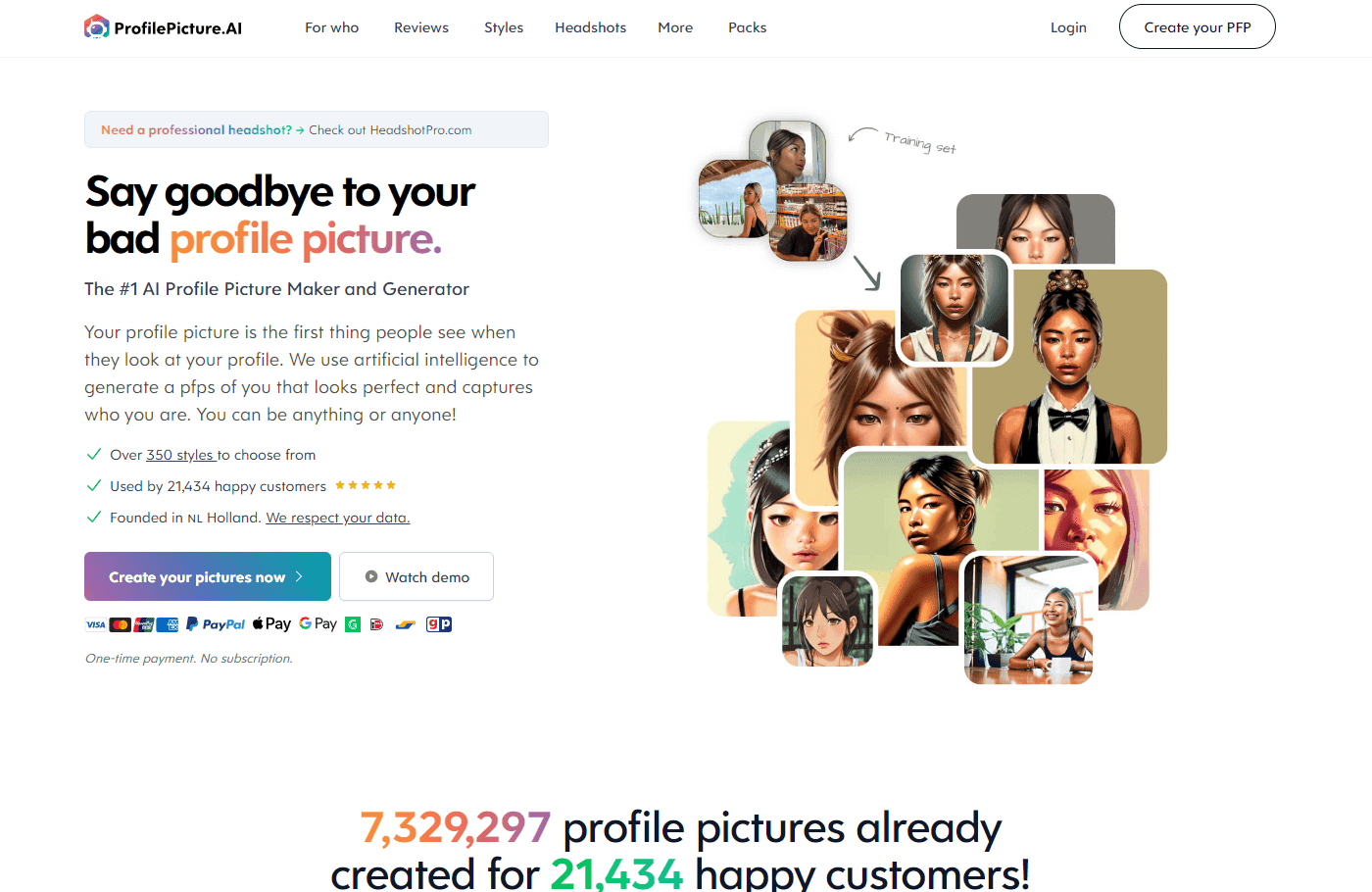
| ProfilePicture.ai | Versatile profile picture tool. Best for users beyond strict headshots — social profile pics, gaming avatars, dating-app photos. |
| Photo AI | Broader AI photo platform. Best for users who want headshots plus full AI photo generation in one tool. |
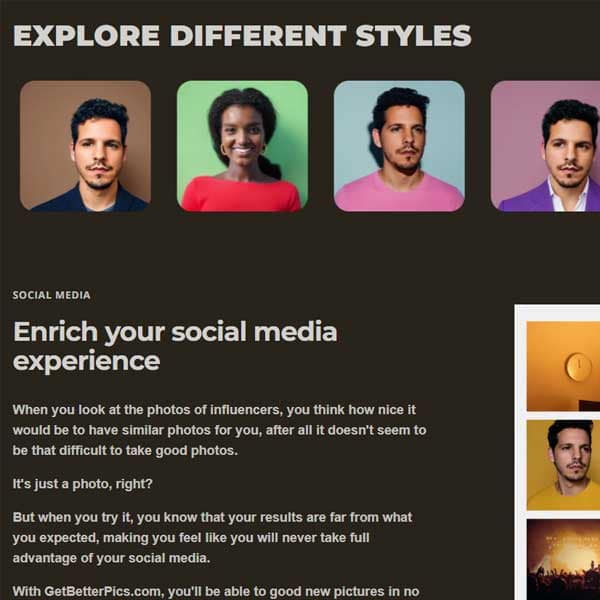
| BetterPic | Mid-tier alternative with strong free-to-paid conversion. Best for users testing AI headshots for the first time. |
| Avatarize | Quick-turnaround option. Best for users who need headshots fast without fine-tuning. |
1. Aragon — The Quality Leader
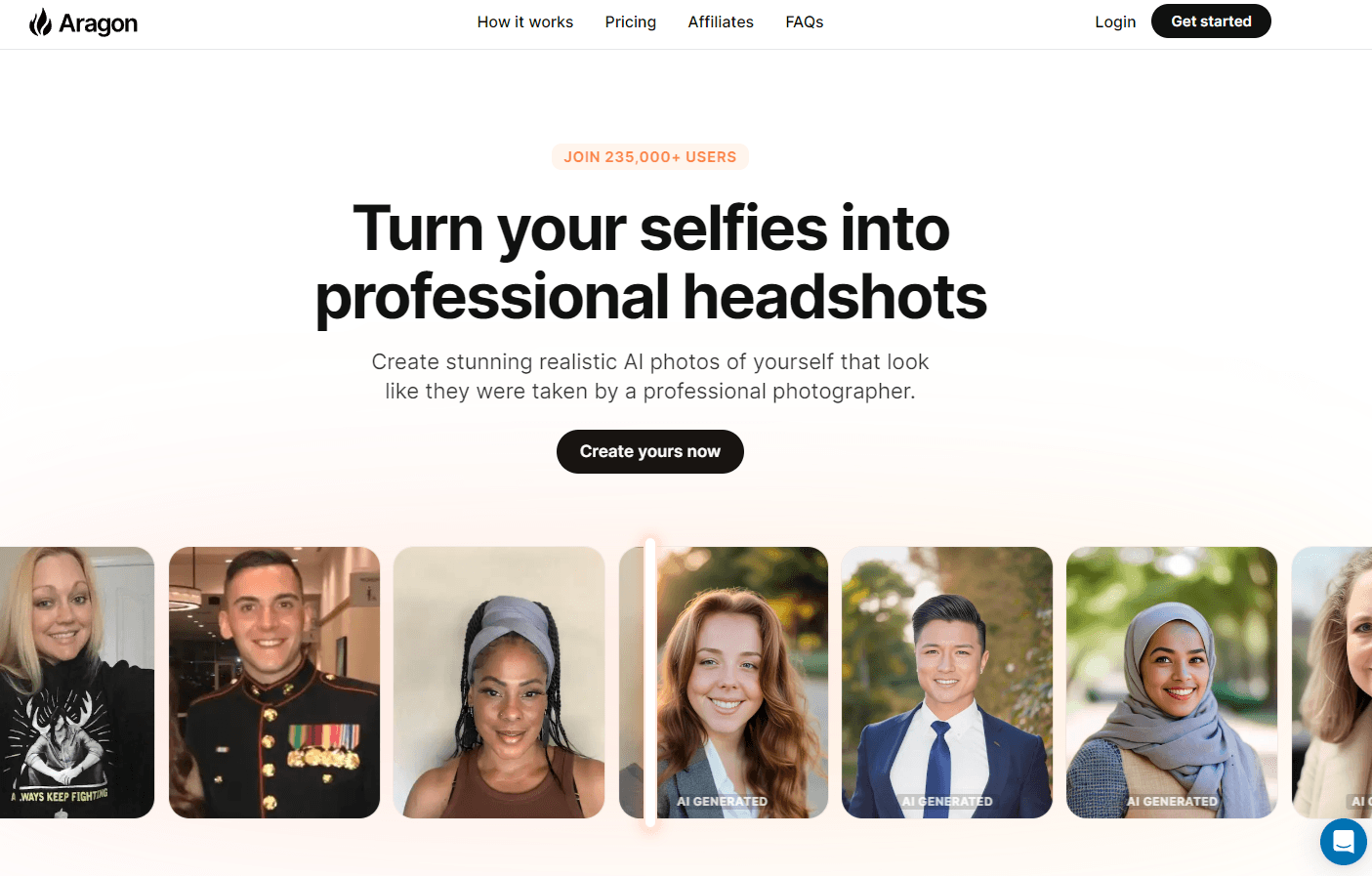
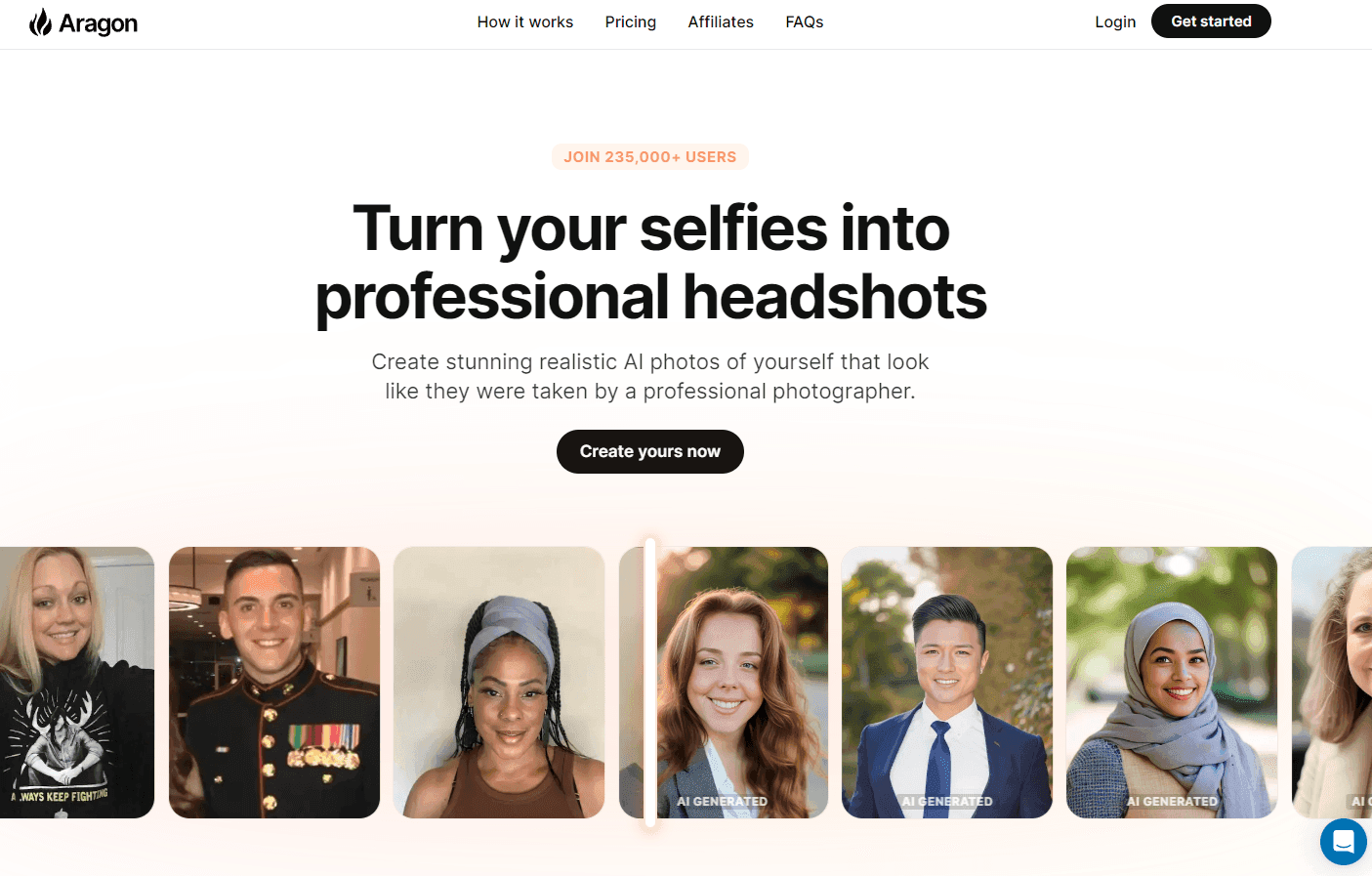
Aragon is the most-recommended AI headshot tool among professional users in 2026. The output quality consistently sits at or near the top of independent comparisons, the variety of styles (corporate, casual, creative, executive) is the broadest in the category, and the workflow is polished enough that non-technical users get strong results without iteration coaching.
What it wins at: output quality on par with mid-tier studio work, the most style variety in the category, and reliable face fidelity (AI headshots that actually look like the subject, not a glamorized AI-generated lookalike).
Where it falls down: pricing trends higher than mid-tier alternatives. Free preview is functional but limited; serious use requires the paid tier. Turnaround is 30–90 minutes — fast for studio comparison, slow if you need same-minute results.
2. HeadshotPro — The Corporate Choice
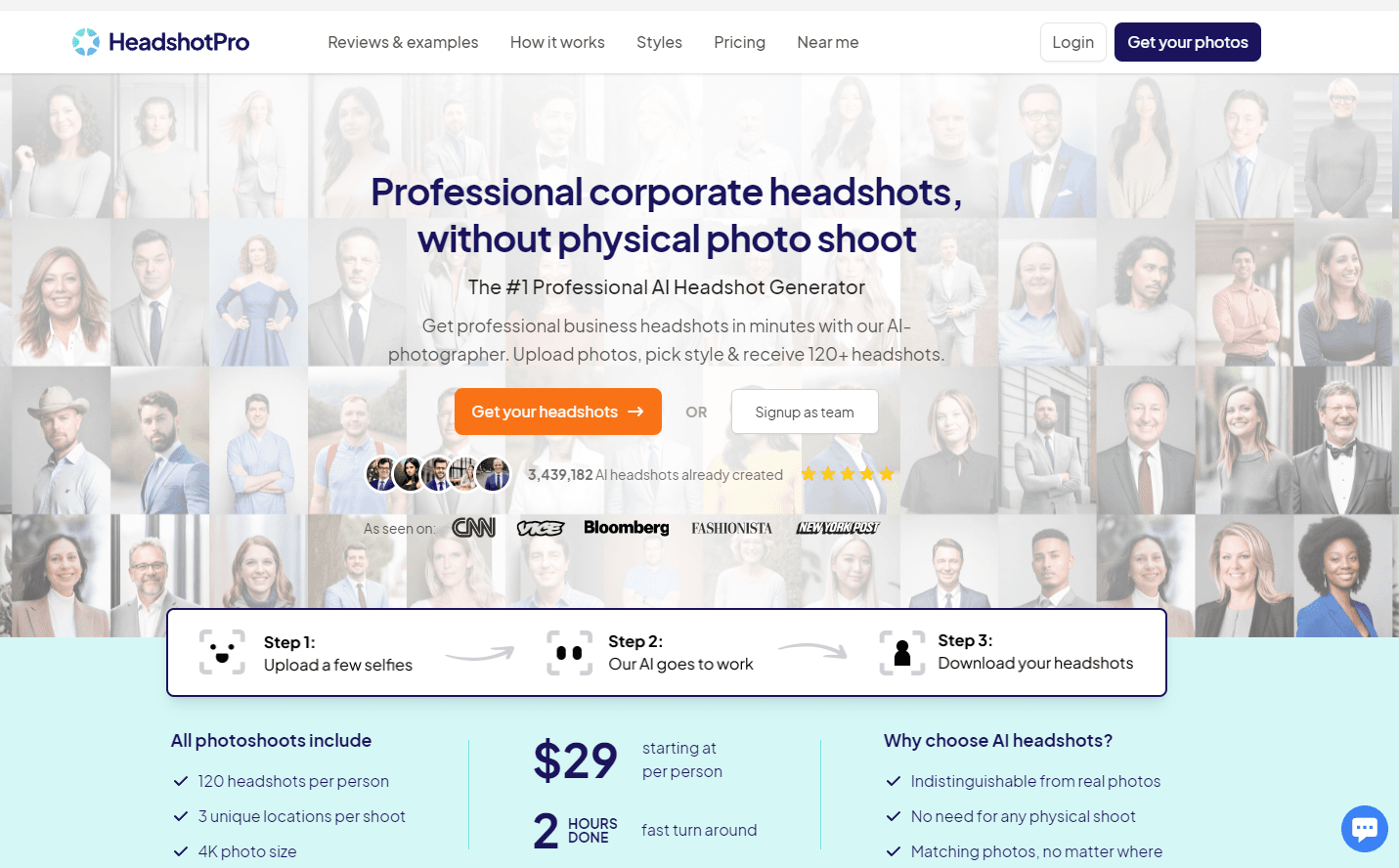
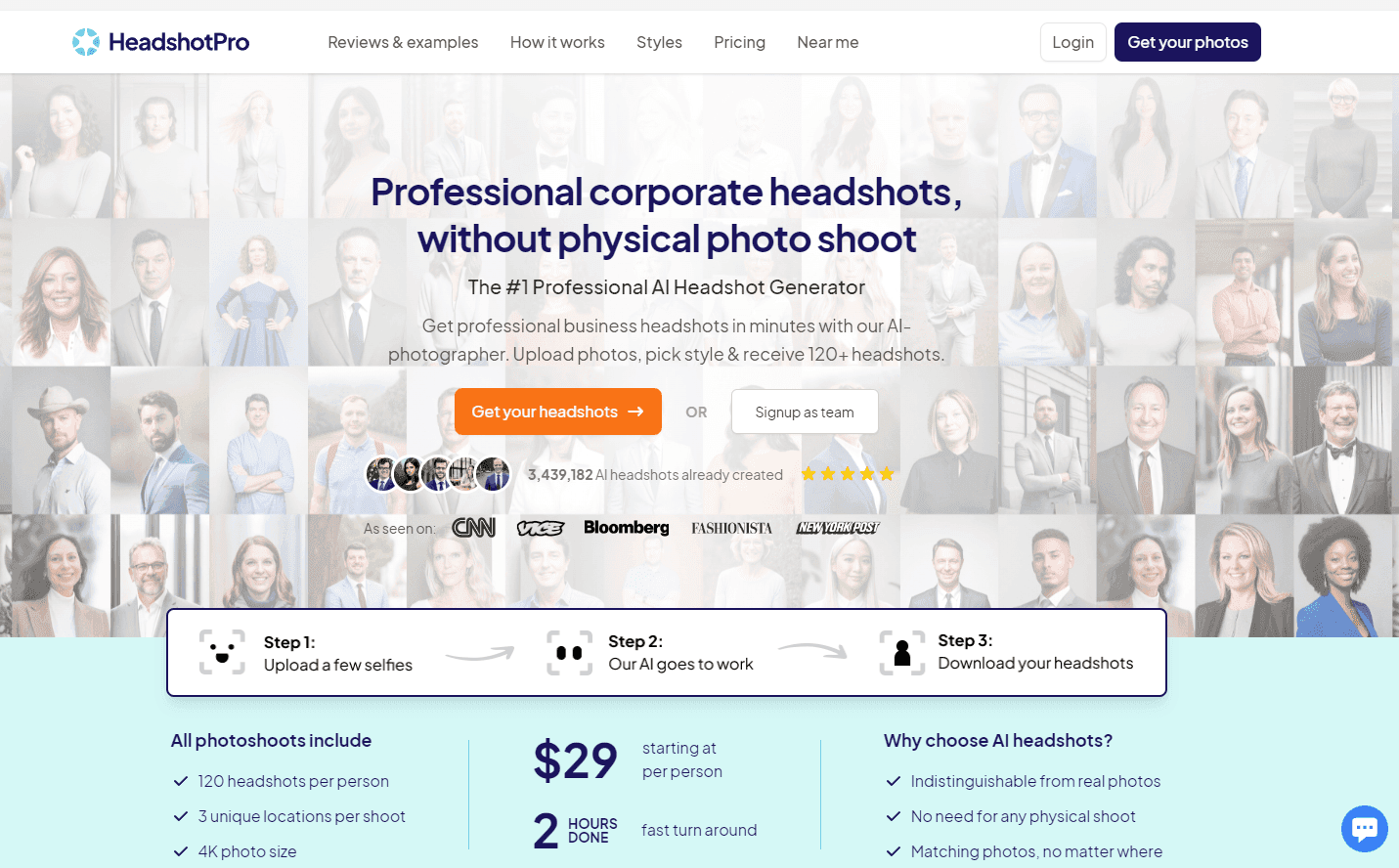
HeadshotPro targets the corporate use case head-on — consistent team headshots, professional dress code styling, and the kind of polished business output that companies need when refreshing the website team page. Bulk-pricing for teams of 10+ is meaningfully better than individual-tier pricing on Aragon.
What it wins at: corporate teams and HR onboarding, businesses standardizing professional headshots across staff, and use cases where consistency matters more than maximum variety.
Where it falls down: style range is narrower than Aragon (corporate-leaning by design). For non-business use cases (creative, casual, dating), other tools fit better.
3. Secta — Polished UX, Fast Turnaround
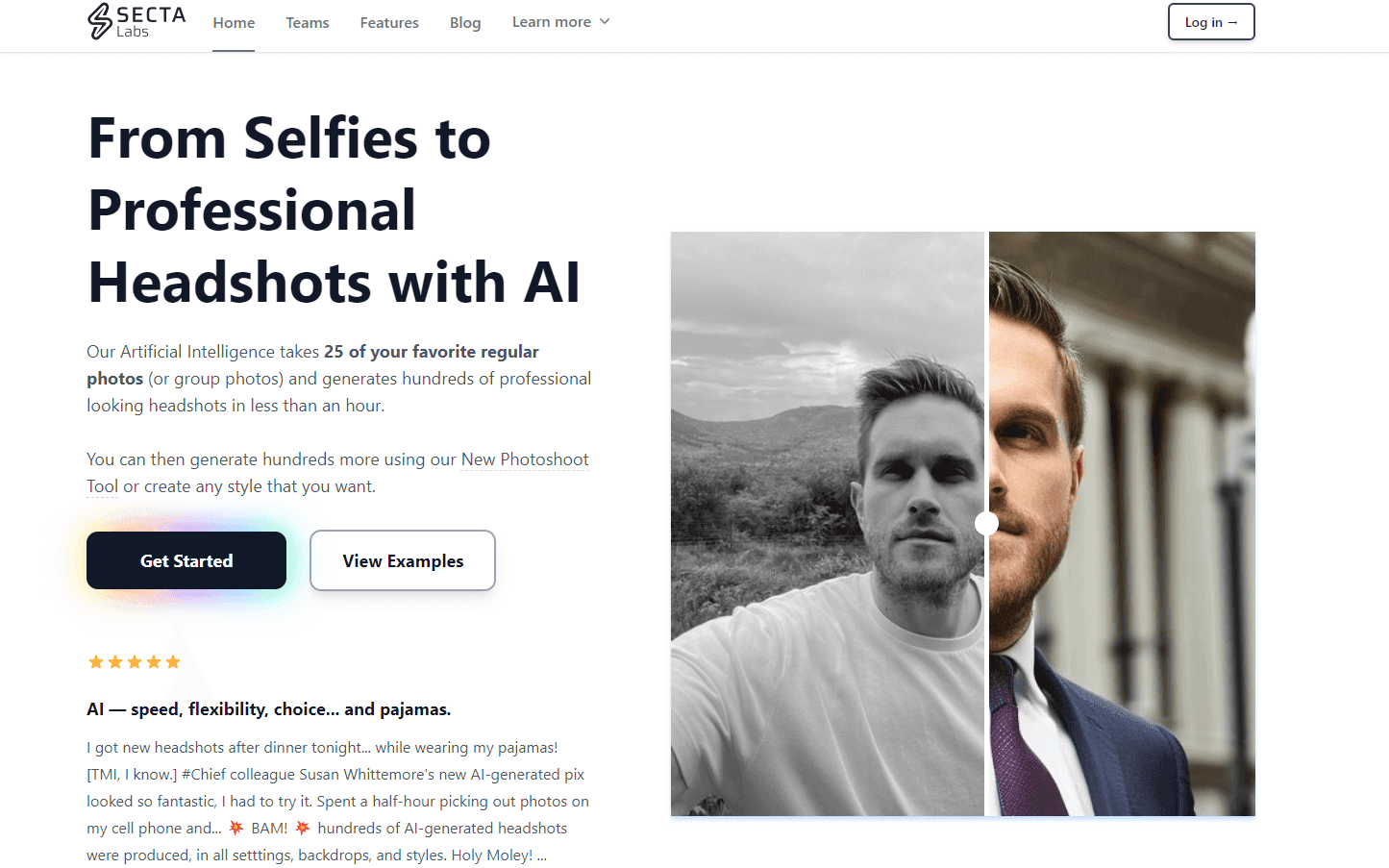
Secta sits between Aragon and the lighter-weight tools — quality is competitive, the UX is unusually polished for the category, and the customization options let users fine-tune output without descending into the prompt-engineering rabbit hole some tools require. A favorite among non-technical users who valued the experience as much as the output.
What it wins at: UX polish that doesn't require AI literacy, customization without complexity, and the right starting point for users new to AI headshots who want guardrails.
Where it falls down: quality is competitive but not category-leading on the absolute hardest cases (mixed lighting, unusual angles, atypical features). For the top 5% of difficulty, Aragon edges it.
4. ProfilePicture.ai — Beyond Strict Headshots
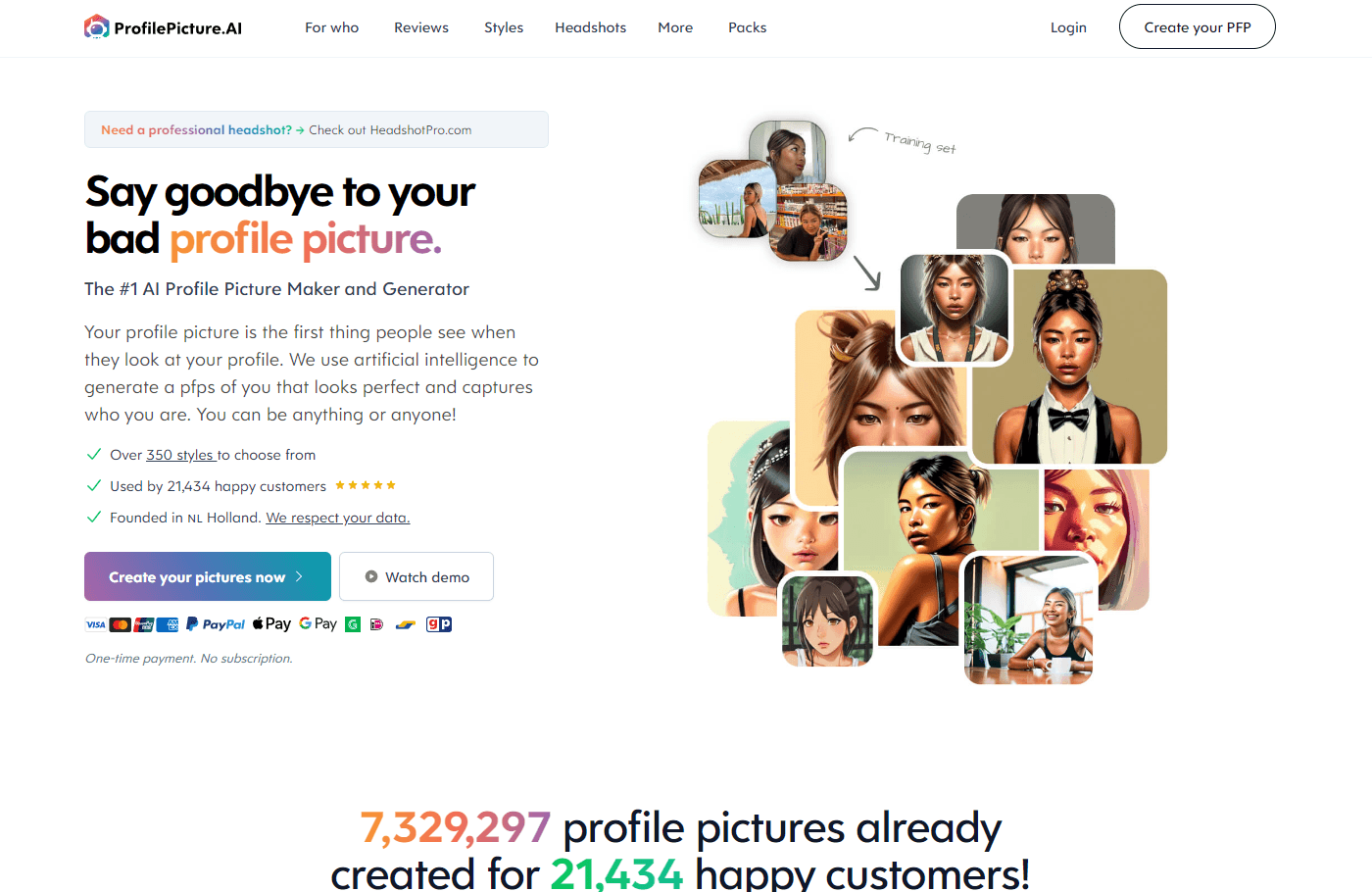
ProfilePicture.ai extends the AI headshot pattern beyond the corporate-headshot use case into broader profile-picture territory — gaming avatars, dating-app photos, social platform profile pics, anime-style portraits. For users whose AI-image needs span more than strict business headshots, the breadth is the value prop.
What it wins at: versatility across professional and social use cases, broad style range including stylized/non-realistic options, and pricing that scales reasonably for users wanting variety.
Where it falls down: for strictly corporate output, dedicated tools (HeadshotPro, Aragon) produce more business-appropriate variations by default.
5. Photo AI — The Broader AI Photo Platform
Photo AI is the broadest tool in the lineup — it does headshots well alongside full AI photo generation (location-based shots, full-body portraits, lifestyle photography). For users whose AI-image needs go beyond just headshots, paying for one tool that handles both is more efficient than running two subscriptions.
What it wins at: users who need headshots plus other AI photo generation, full-body and location-based output, and the broader "AI photographer" use case rather than just face shots.
Where it falls down: for purely-headshot use cases, dedicated tools produce more polished portrait-specific output. Best for breadth, not depth.
6. BetterPic — Mid-Tier Entry Point
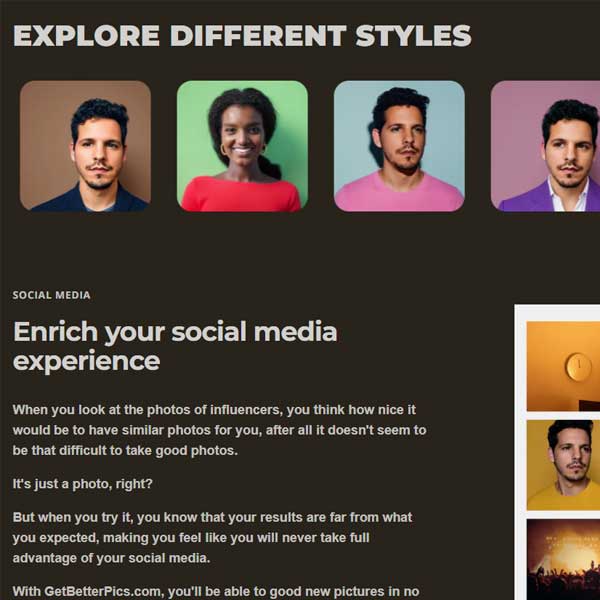
BetterPic targets the entry-tier of the market — users testing AI headshots for the first time, students or early-career professionals who don't want to commit to a higher-priced subscription, and price-sensitive use cases. Output quality is mid-tier (acceptable for LinkedIn, less so for high-resolution print) at price points meaningfully below the premium leaders.
What it wins at: affordable entry into AI headshots, quick first-time evaluation without committing to a major subscription, and acceptable LinkedIn-grade output.
Where it falls down: quality plateau is below Aragon and HeadshotPro on demanding use cases. Best as a first-evaluation tool that you upgrade from rather than a long-term solution for serious use.
7. Avatarize — Fast-Turnaround Option
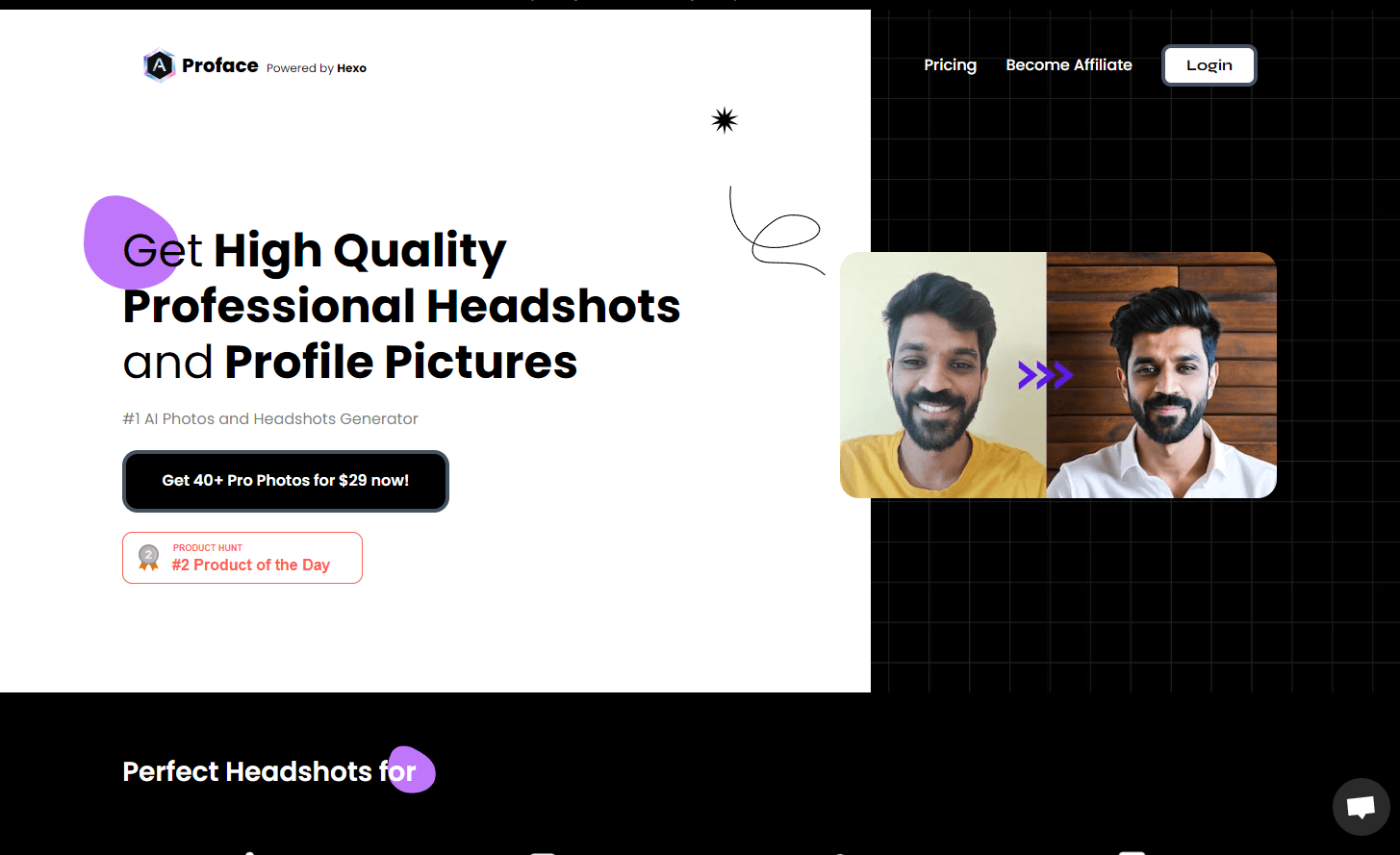
Avatarize optimizes for speed — generate a usable headshot in 15–30 minutes rather than the 60–90 minutes most competitors take. For last-minute use cases (a profile-picture refresh before tomorrow's interview, conference badges) the speed difference matters.
What it wins at: fast turnaround when you need a headshot today, simple workflow without configuration, and budget-tier pricing.
Where it falls down: quality on the absolute hardest cases trails the leaders. Best for time-sensitive use, not for the headshot you'll use for the next two years.
How to Choose
Match the tool to your actual need:
- Long-term professional headshot you'll use for years: Aragon — the quality differential pays back over time
- Corporate team rolling out matching headshots: HeadshotPro — bulk pricing + corporate consistency
- Polished UX without learning curve: Secta
- Multi-purpose (LinkedIn + dating + gaming + social): ProfilePicture.ai
- Headshots plus broader AI photography: Photo AI
- Testing AI headshots for the first time: BetterPic free or starter tier
- Need it tomorrow: Avatarize
For most professionals, the practical move is Aragon for the once-a-year refresh of your professional headshot, then a faster cheaper tool like Avatarize or BetterPic for any quick refresh in between. The combined cost is still a fraction of one studio session.
For adjacent reading, see our Top 6 AI Image Generators Compared for the broader AI image-generation category, and Top 7 AI Tools for Social Media Management for using these headshots across social platforms.
Frequently Asked Questions
Are AI headshots good enough to replace a real photographer? For most professional use cases at typical screen sizes (LinkedIn, company team pages, conference badges, podcast guest photos): yes in 2026. For high-resolution print, magazine work, fashion editorial, or any context where colleagues will scrutinize the image at full resolution: not yet. The best practice is AI for the high-volume use cases (LinkedIn, social, profile pics) and traditional photography for the once-a-year hero shot or print work.
Will my colleagues be able to tell my headshot is AI? In 2026, mostly no — at typical web display sizes the leading tools (Aragon, HeadshotPro, Secta) produce output that passes professional-context inspection. The tells that remain are subtle: hair edges, jewelry symmetry, occasional uncanny lighting on glasses. Colleagues who know your face well will sometimes spot "something off" without being able to articulate what — that's the remaining gap.
Is it ethical to use AI-generated headshots for professional purposes? For your own face, generated from photos of yourself: broadly yes, increasingly accepted. For someone else's face: no, that's deepfake territory and illegal in many jurisdictions (UK Online Safety Act 2024, multiple US state laws). All the tools in this guide require you to upload reference photos of the actual subject, which is the consent boundary that keeps the use case clean.
How many reference photos do I need to upload? 10–25 photos for the leading tools. More variety in expression, lighting, and angle produces better output than 25 nearly-identical selfies. The leaders (Aragon, Secta) include guidance on what makes a good reference set.
How much do AI headshots cost in 2026? $15–$80 per package depending on tier and tool. Budget tier (BetterPic, Avatarize) starts around $15–$30 for a basic package. Mid-tier (HeadshotPro, Secta) ranges $35–$60. Premium (Aragon's higher tiers) reaches $80+ for the largest packages with most variety. All comparable to or below a single studio session, with significantly more output.
How long does it take to get the headshots back? Aragon: 30–90 minutes. Secta: 1–2 hours. HeadshotPro: 1–3 hours for individual orders. Avatarize: 15–30 minutes. BetterPic: 60–120 minutes. None require same-day photographer scheduling, which is part of the value prop.
Can I use AI headshots for my company website's team page? Yes, increasingly common. Leading tools have explicit B2B tiers for this use case. The disclosure question (do we tell visitors these are AI-generated?) is a brand decision; legally there's no requirement in most jurisdictions for professional headshot use as of 2026, though regulations are evolving. Some companies disclose proactively; most don't.
Final Thoughts
AI headshot generators in 2026 are mature enough that most professional headshot work can be done with them at meaningfully lower cost than studio photography. The category has narrowed to a handful of strong leaders — Aragon, HeadshotPro, Secta — with a credible mid-tier and entry-tier underneath. The remaining gap (high-resolution print, demanding editorial work) is real but narrow.
For most working professionals not yet using AI headshots, the practical starting point is Aragon's basic tier for your next LinkedIn refresh. The output quality + cost + turnaround combination has crossed a real threshold; the experience makes a stronger case for the category than any review can.
Categories these tools span
More collections you may also like

Sign up for our newsletter
Receive weekly updates so you can stay up-to-date with the world of AI
Sign up for our newsletter
Receive weekly updates so you can stay up-to-date with the world of AI
The AI tools directory for discovering, exploring, and comparing the most innovative AI tools in the industry