Top 7 AI Tools for Social Media Management (2026)








Best AI Tools for Social Media Management in 2026
If you're researching the best AI tools for social media management in 2026, the category has bifurcated. The classic "schedule across platforms + analytics" tools (Sprout, Vista, Buffer, Hootsuite) are still core infrastructure but they're no longer the whole story. The 2026 conversation is dominated by short-form video — TikTok, Reels, Shorts — and the AI tooling that turns long-form content into viral clips at scale (Opus Clip, Captions). Add platform-specific AI growth tools for LinkedIn (Taplio) and X/Twitter (Tweet Hunter), plus AI ad-creative production (AdCreative.ai), and the modern social stack is 4–6 specialized tools, not one all-in-one platform.
This guide covers the seven AI social media tools that move the needle in 2026: Sprout Social AI, Vista Social, Taplio, Tweet Hunter, Opus Clip, Captions, and AdCreative.ai. Each is rated for what it does well, where it falls down, and how the leaders combine into a credible social stack.
The Four Lanes of Social Media AI in 2026
Most teams researching social media AI are solving one of four problems:
- Cross-platform scheduling and analytics: publish, monitor, respond across Instagram, X, LinkedIn, TikTok, Facebook from one dashboard. Leaders: Sprout Social AI, Vista Social.
- Short-form video production: turn long-form video (podcasts, webinars, talks) into clipped, captioned, vertical short-form content. Leaders: Opus Clip, Captions.
- Platform-specific growth: LinkedIn-only or X-only tooling that handles the algorithm, content patterns, and engagement specific to that platform. Leaders: Taplio (LinkedIn), Tweet Hunter (X).
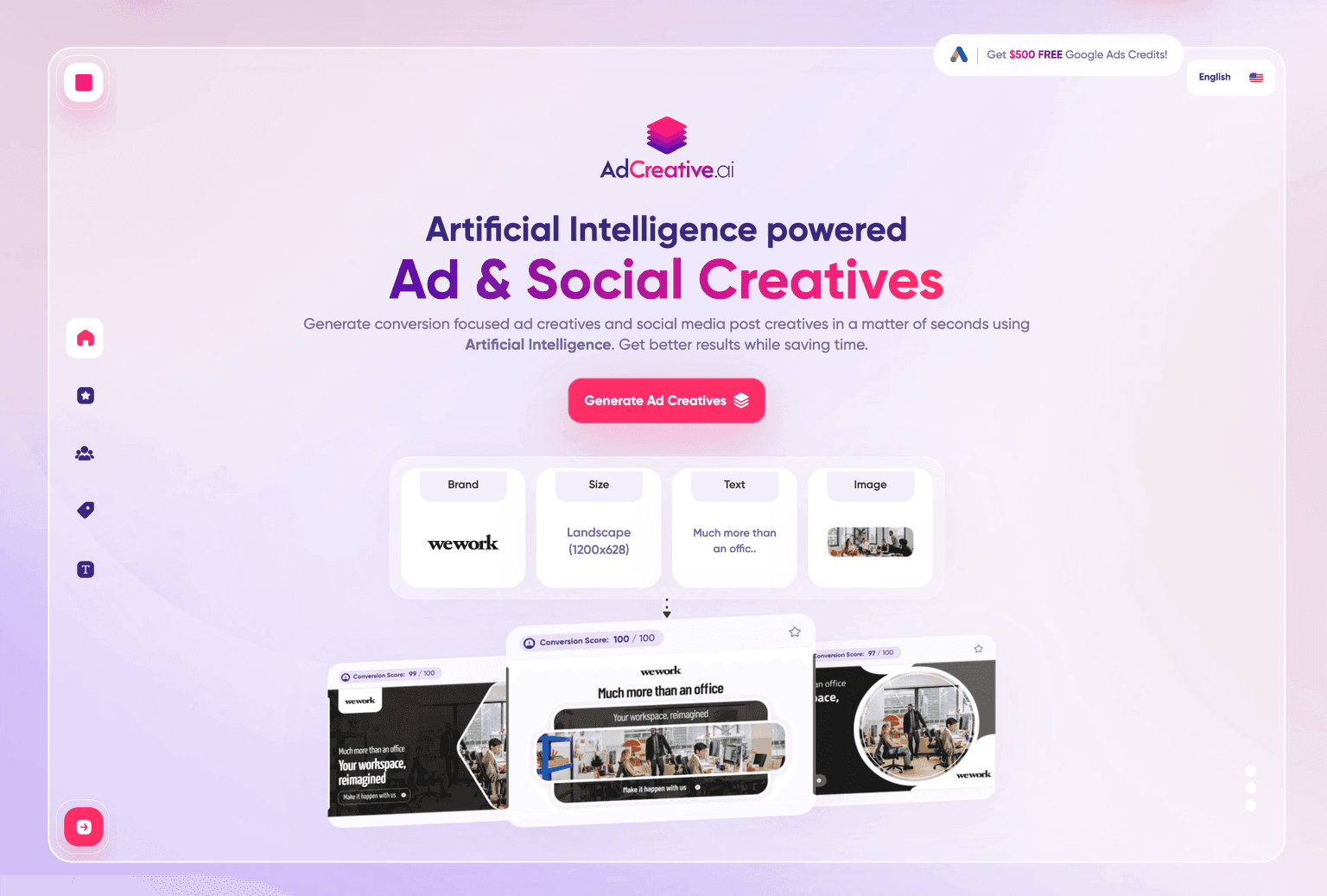
- AI ad creative: generate scroll-stopping ad creative at scale. Leader: AdCreative.ai.
The biggest 2026 shift is that short-form video AI is now its own lane, not a feature inside scheduling tools. The teams getting real organic reach in 2026 are running Opus Clip or Captions on every long-form asset and posting clips daily.
Quick Comparison
| Tool | Best for |
|---|---|
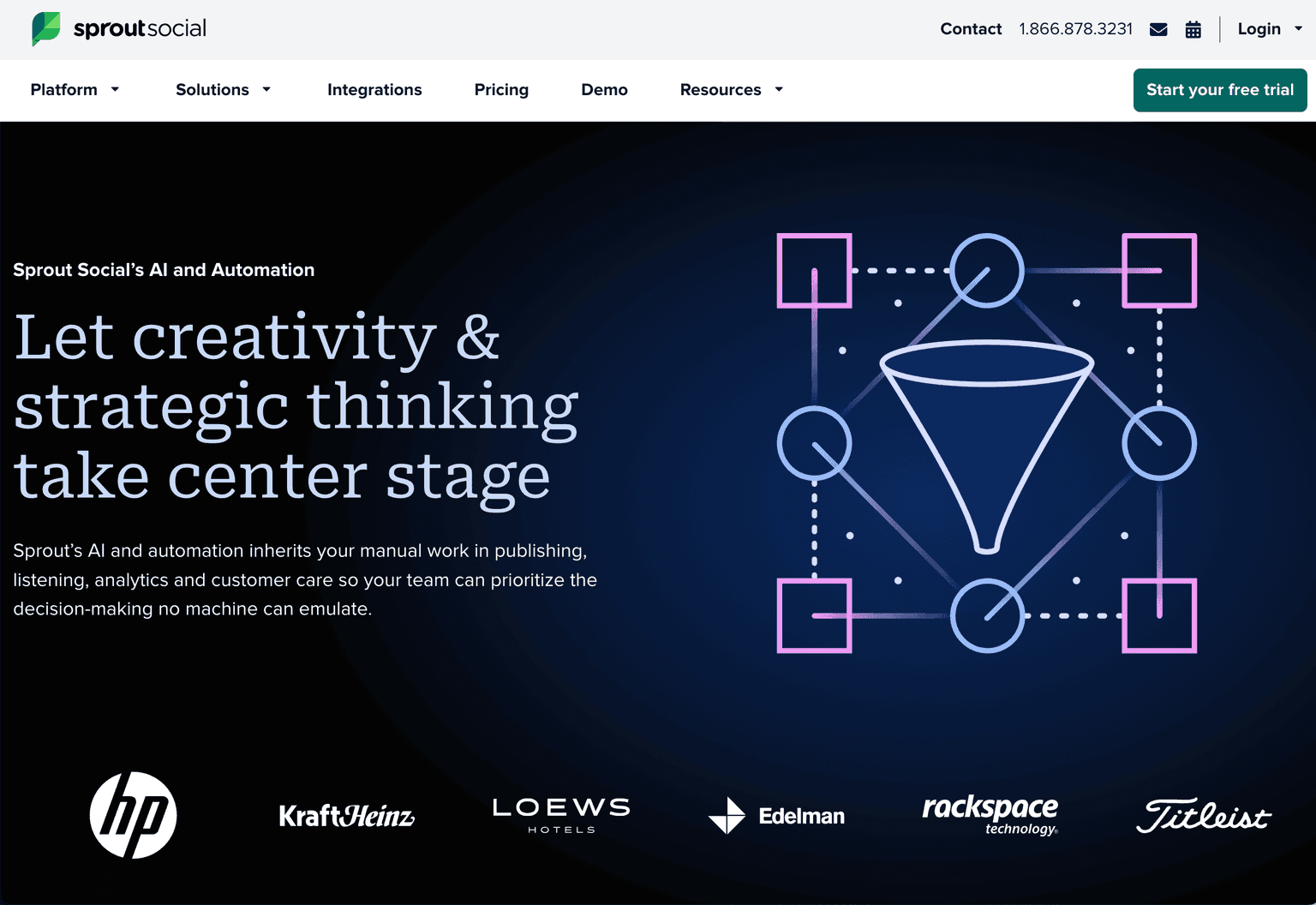
| Sprout Social AI | Enterprise social media management. Best for mid-market and enterprise teams needing analytics, listening, and customer-care features alongside scheduling. |
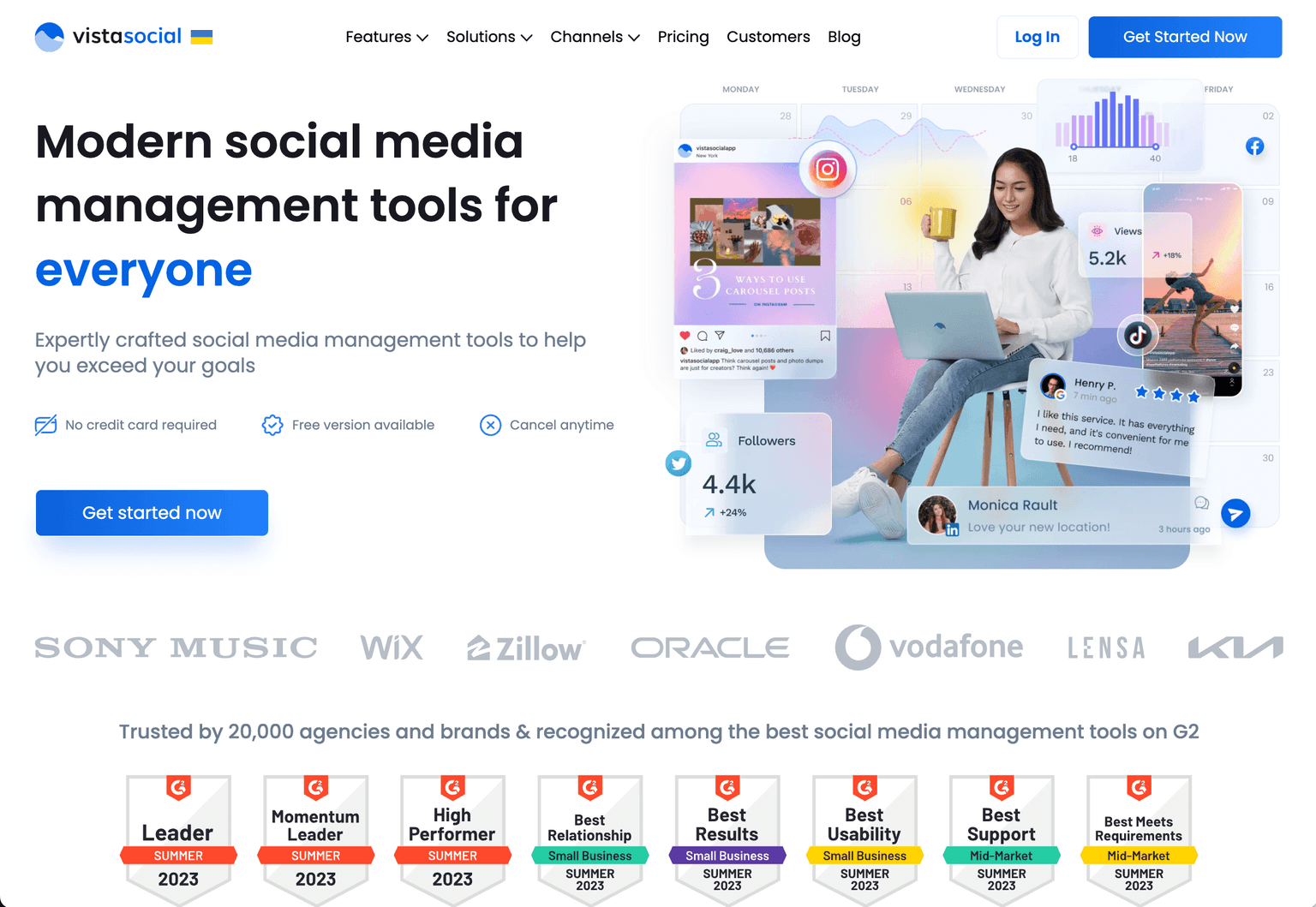
| Vista Social | Modern affordable alternative. Best for SMB and agency teams wanting Sprout-class features at a friendlier price. |
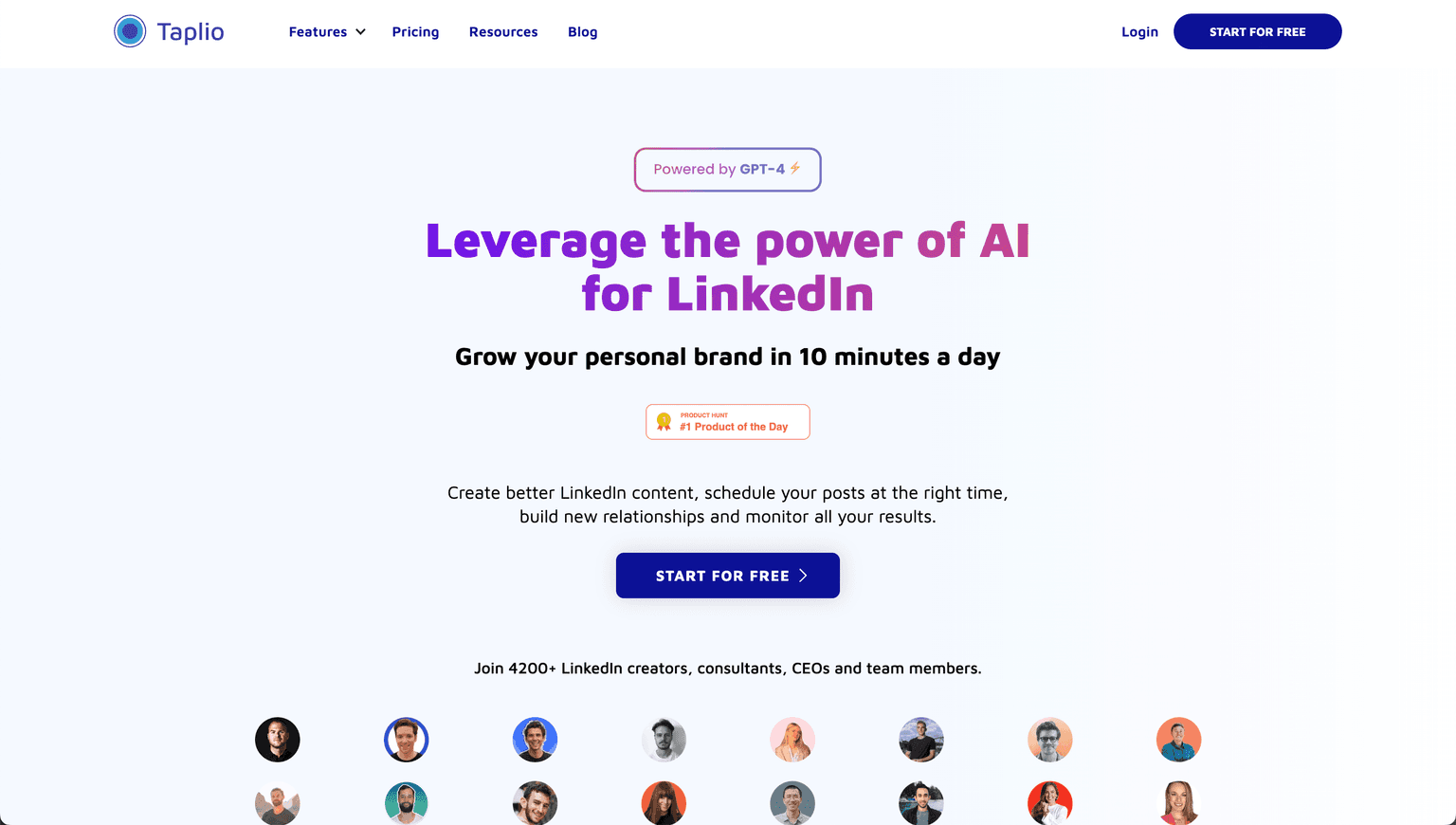
| Taplio | LinkedIn-specific AI. Best for founders, executives, and B2B creators building LinkedIn presence. |
| Tweet Hunter | X/Twitter-specific AI. Best for creators and builders growing audiences on X. |
| Opus Clip | AI short-form video clipping. Best for podcasters and creators repurposing long-form content into TikTok, Reels, Shorts. |
| Captions | AI video creative studio. Best for creators producing original short-form content with AI-assisted editing, captions, and effects. |
| AdCreative.ai | AI ad creative generation. Best for performance marketers producing high-volume ad variations. |
Cross-Platform Scheduling and Analytics
This is the foundational lane — every team needs some tool here, and the choice is mostly about budget and team size. Sprout sits at the high end with full enterprise feature depth; Vista Social offers most of what Sprout does at a fraction of the price.
1. Sprout Social AI — Enterprise Social Management
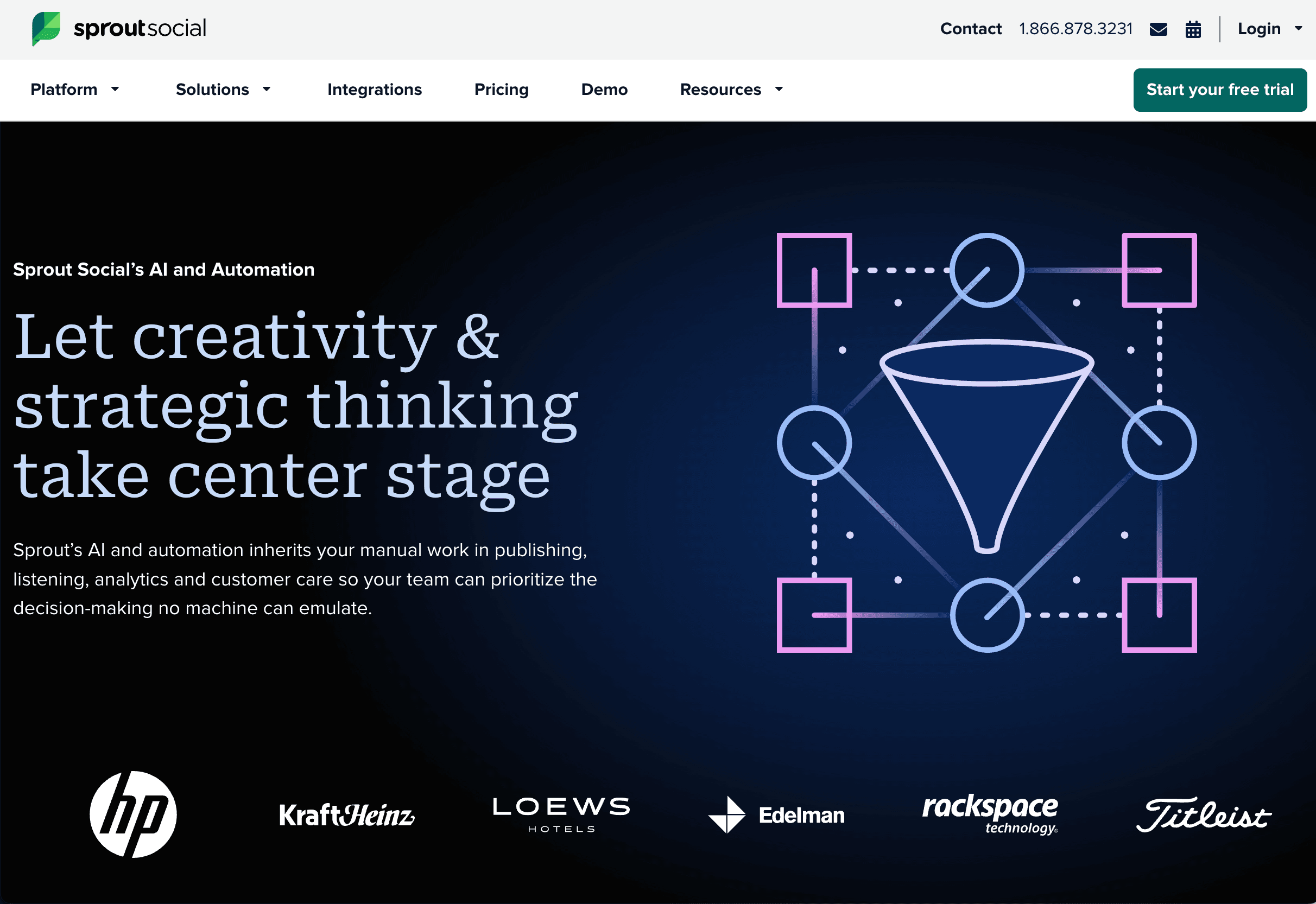
Sprout Social AI is the most-deployed enterprise social platform. AI-augmented scheduling, social listening, customer-care inbox, competitive benchmarking, influencer relationship management — and integrations with Salesforce, Zendesk, and the major CMS platforms that mid-market and enterprise teams already run.
What it wins at: enterprise feature depth, social-listening with real signal extraction (not just keyword counts), unified customer-care inbox across platforms, and procurement-friendly references for serious buyer evaluations.
Where it falls down: priced for the enterprise it serves. Solo creators and SMB agencies typically can't justify the price floor; Vista Social is the better fit there.
2. Vista Social — Modern Affordable Alternative
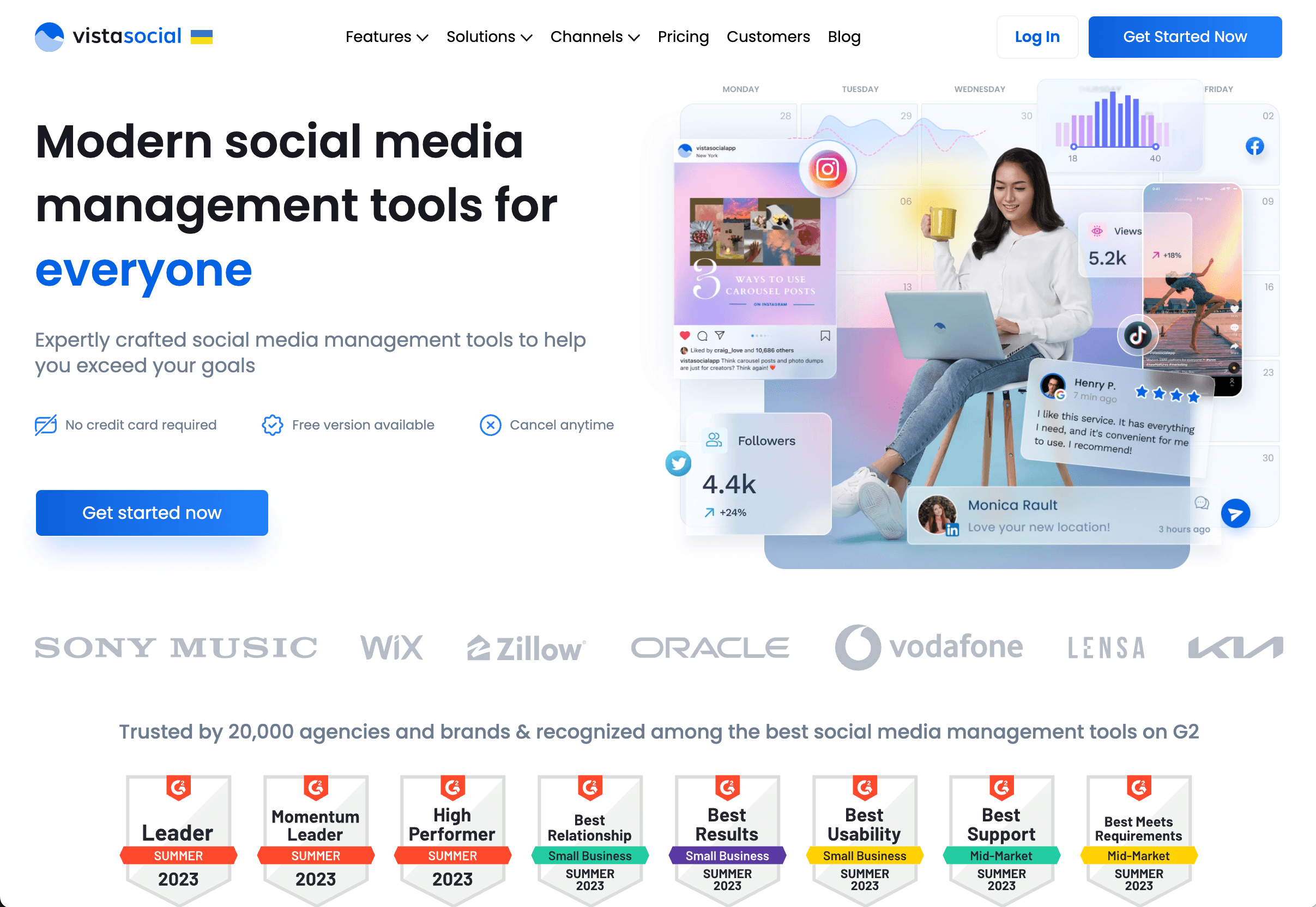
Vista Social is the right pick for SMB, agencies, and mid-market teams that want most of Sprout's capability without Sprout's price tag. Multi-platform scheduling, AI-assisted post generation, analytics, and a UX that's friendlier than the older incumbents (Hootsuite, Buffer).
What it wins at: value-for-money in the sub-enterprise segment, agency multi-client workflows, and a modern UI that doesn't require training to use.
Where it falls down: social-listening depth and customer-care features trail Sprout. For genuine enterprise needs (Fortune 500-level teams), the gap shows.
Platform-Specific Growth Tools
LinkedIn and X have algorithms, audience expectations, and content formats different enough from each other (and from the cross-platform tools) that dedicated tooling produces meaningfully better results than generic schedulers. The tools below ignore the multi-platform conversation and optimize hard for one platform.
3. Taplio — The LinkedIn Specialist
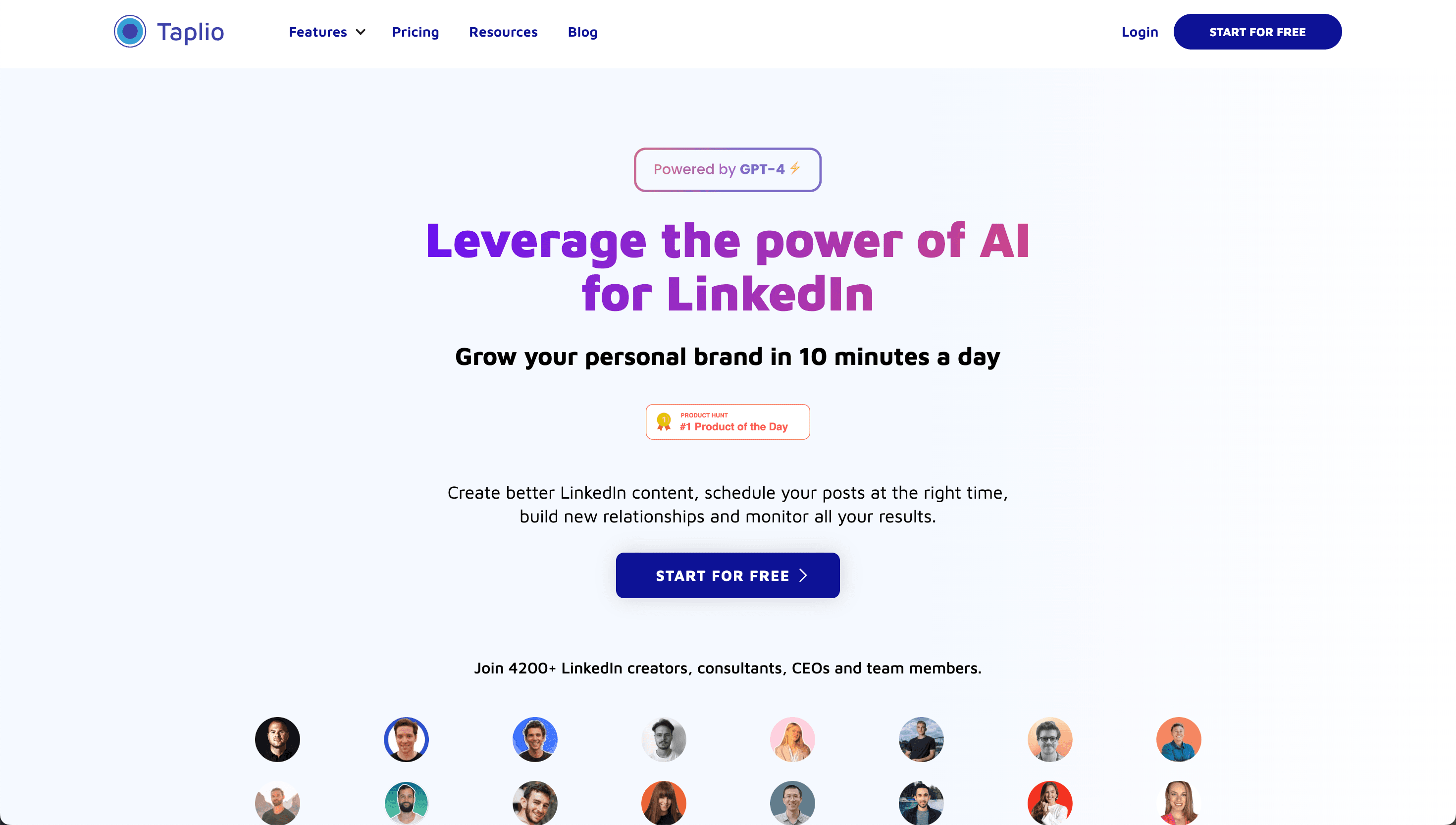
Taplio is the most-used LinkedIn-specific AI tool — content idea generation tuned to what's actually working on LinkedIn right now, scheduling with optimal-time AI, engagement automation that doesn't trip LinkedIn's spam filters, analytics specific to the LinkedIn algorithm. For founders, B2B execs, and consultants building LinkedIn presence, the LinkedIn-only focus produces better results than generic cross-platform tools.
What it wins at: LinkedIn organic growth, B2B thought-leadership content workflows, and the specific algorithm dynamics LinkedIn rewards (early engagement, post format choice, swipe-card carousels).
Where it falls down: LinkedIn-only — useless if your audience lives on X, Instagram, or TikTok. Pricing is creator-tier; not built for agency multi-client management.
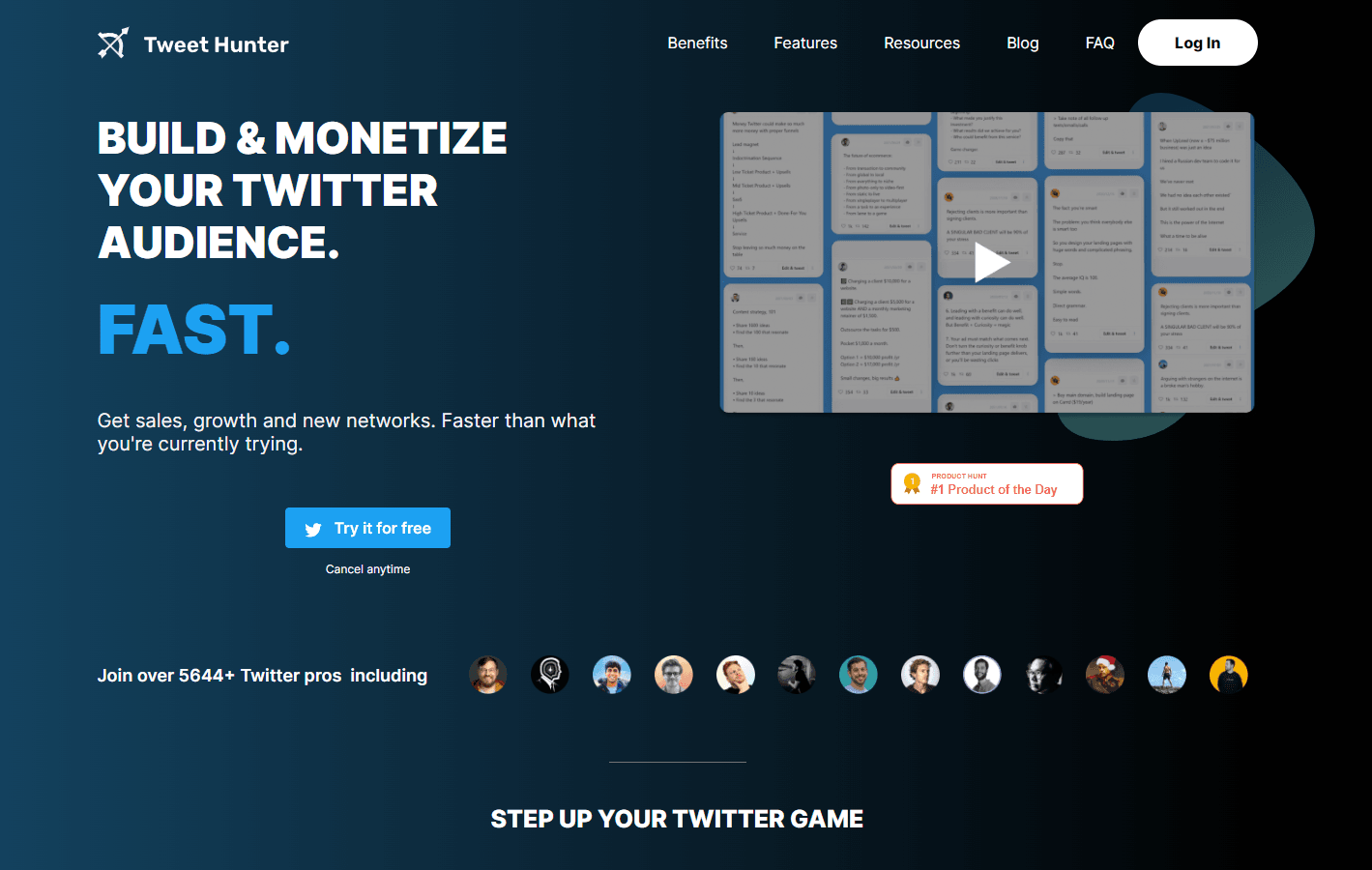
4. Tweet Hunter — The X/Twitter Specialist
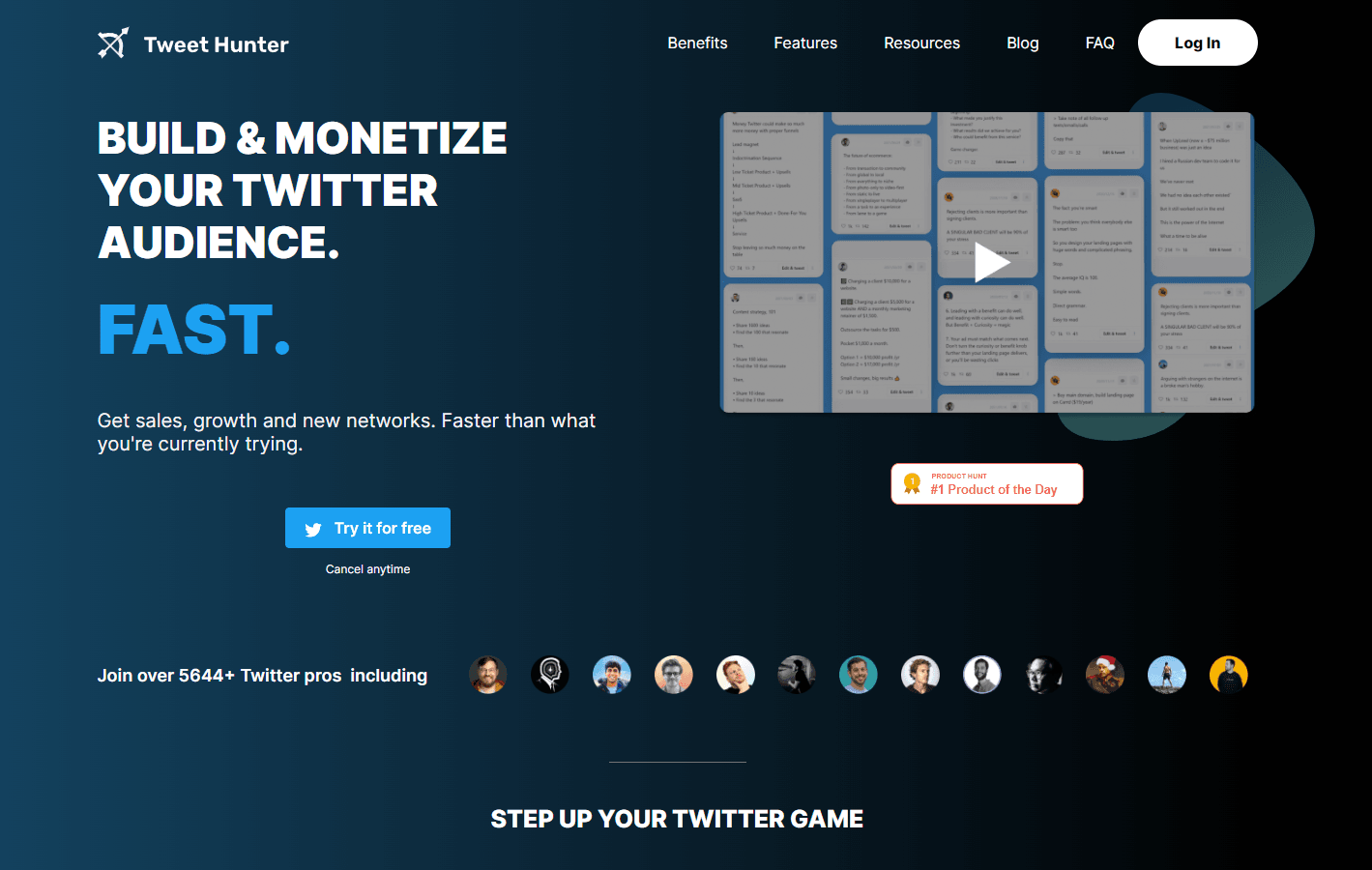
Tweet Hunter is Taplio's sister product (same team) for X/Twitter. AI-assisted thread writing, viral-tweet libraries to study, scheduling, and the engagement automation that fits X's culture without crossing the line into spam.
What it wins at: X/Twitter creators and builders, indie founders growing audiences on X, and thread-writing workflows where the AI helps with structure rather than producing the whole tweet.
Where it falls down: X-only. The X audience is volatile post-2023 changes; some categories that thrived on Twitter pre-Musk perform meaningfully differently now, and Tweet Hunter's playbook is calibrated for the current X.
Short-Form Video AI: The 2026 Story
This lane didn't exist meaningfully two years ago and now drives a real percentage of the organic-reach conversation. The reason: TikTok, Instagram Reels, and YouTube Shorts dominate algorithmic distribution, and producing original short-form content at the cadence those platforms reward is hard. AI clipping tools take long-form source material (podcasts, webinars, talks, livestreams) and automatically produce vertical, captioned, hook-aware clips at scale.
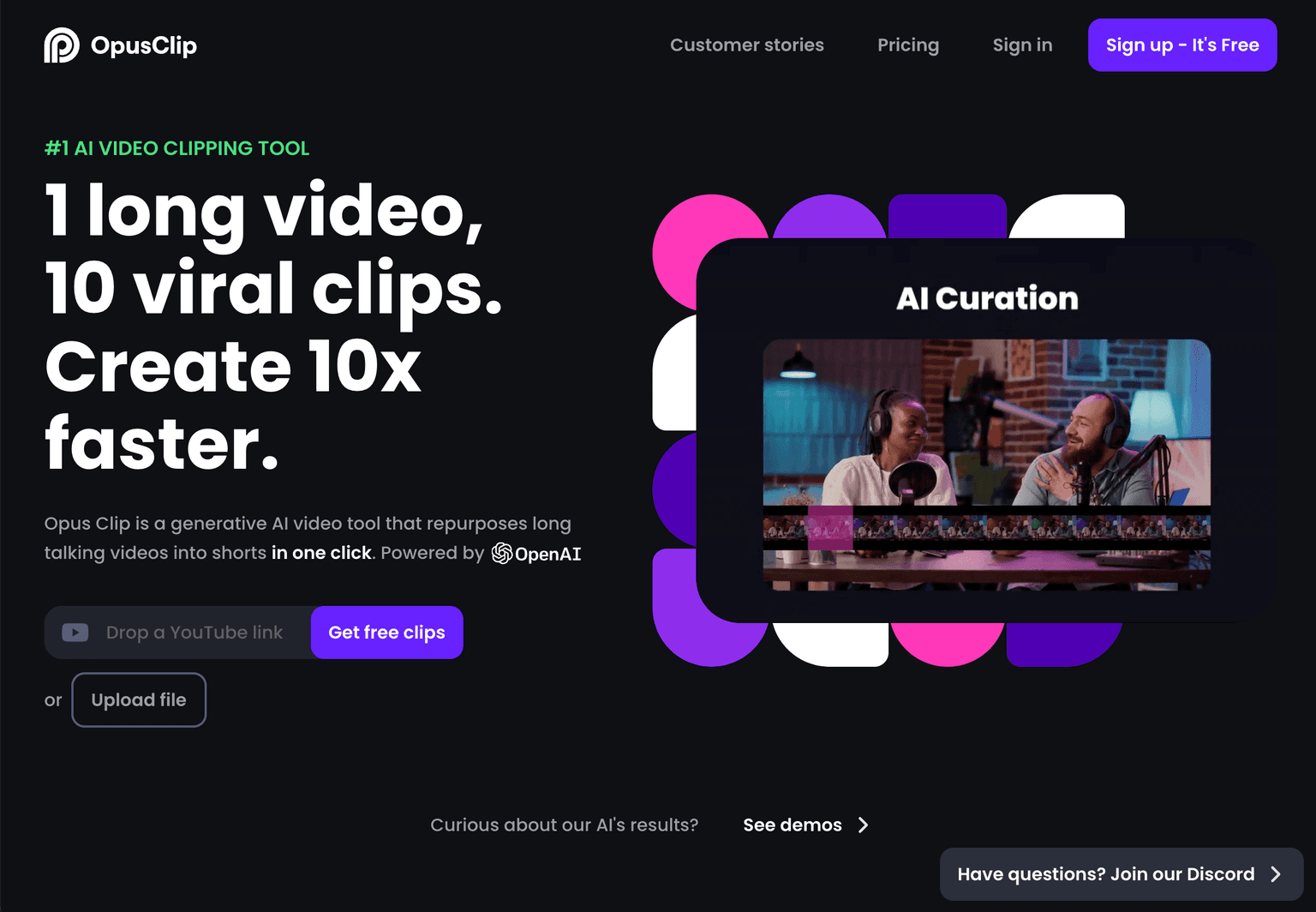
5. Opus Clip — The Most-Used AI Clipper
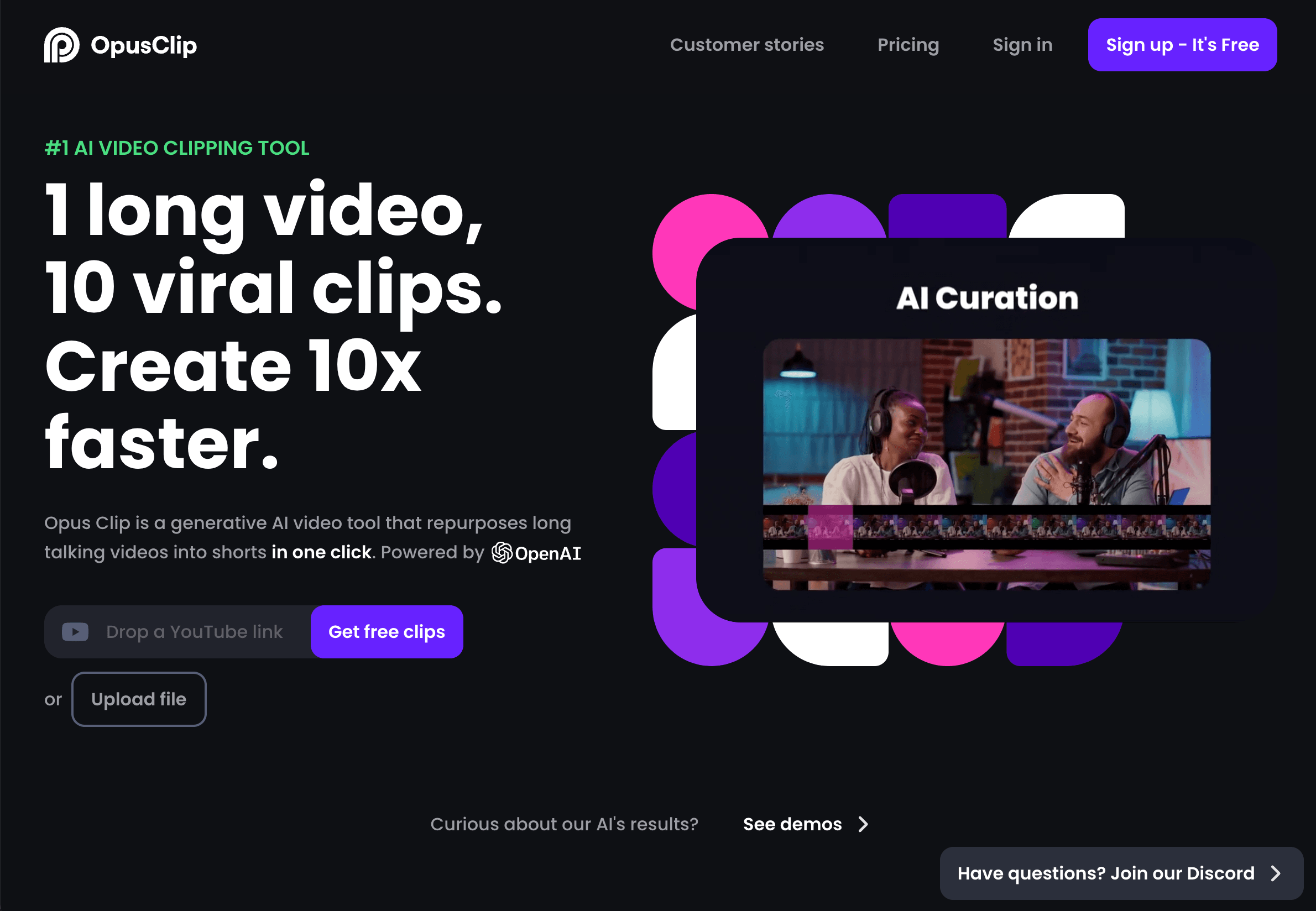
Opus Clip takes a long-form video (podcast episode, webinar, talk) and produces 10–20 short-form clips with auto-captions, vertical reframing, hook-detection scoring, and B-roll insertion. The 2025 product expansion added direct multi-platform publishing and AI-virality scoring that's surprisingly accurate at predicting which clips will perform.
What it wins at: podcasters and creators repurposing existing long-form into platform-native short-form, agencies running short-form content programs for B2B clients, and the cleanest AI-clipping UX in the category.
Where it falls down: for original short-form (TikTok-style content created from scratch), Captions is the better fit. Output quality is high but follows recognizable patterns — heavy use makes a creator's clips look like other Opus Clip output.
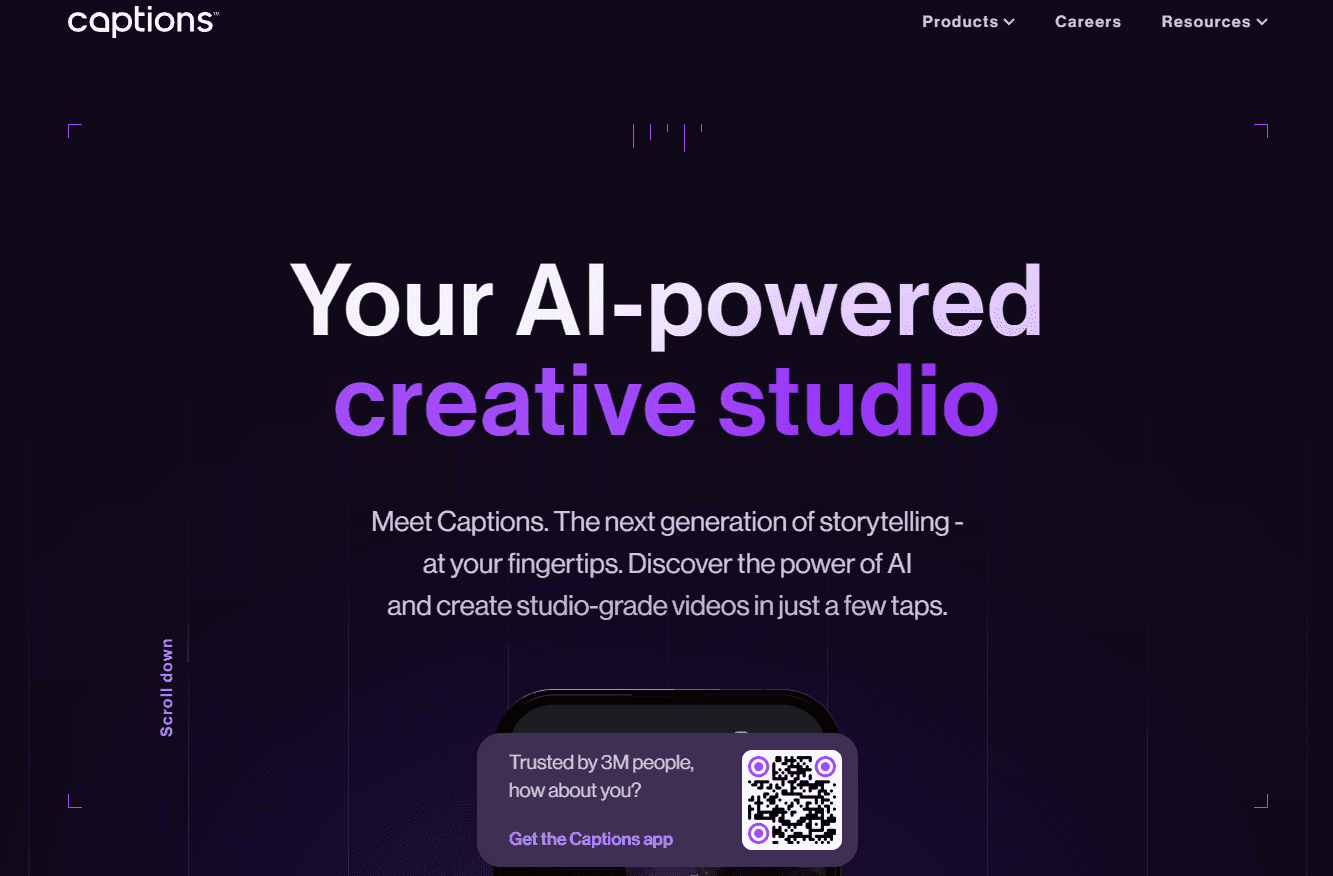
6. Captions — AI Video Creative Studio
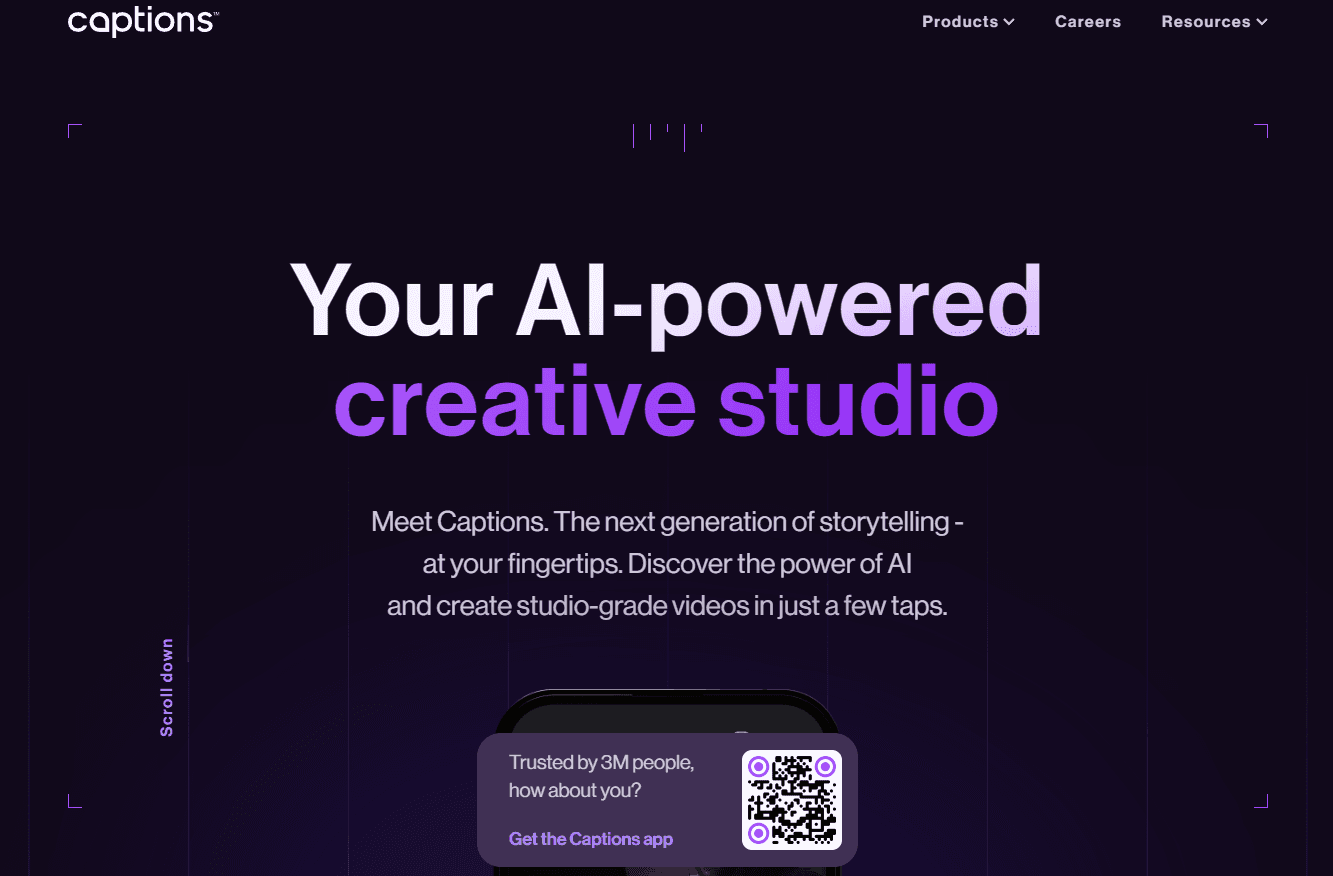
Captions sits in adjacent territory — AI-assisted video creation rather than long-form repurposing. Auto-captions (still the original product strength), AI dubbing, AI voice cloning for narration, virtual presenters, and the editing tooling for original short-form content. The product has expanded materially since the 2024 funding round and is now a credible competitor to traditional editors for short-form work.
What it wins at: creators producing original short-form content (talking-head TikToks, narrated explainers, AI-generated avatars), creators who need multi-language reach via dubbing, and accessible AI video editing for non-editors.
Where it falls down: less useful for podcast/webinar repurposing than Opus Clip. Heavy AI features make some output read as obviously AI-generated; human curation matters.
AI Ad Creative
7. AdCreative.ai — Ad Creative at Scale
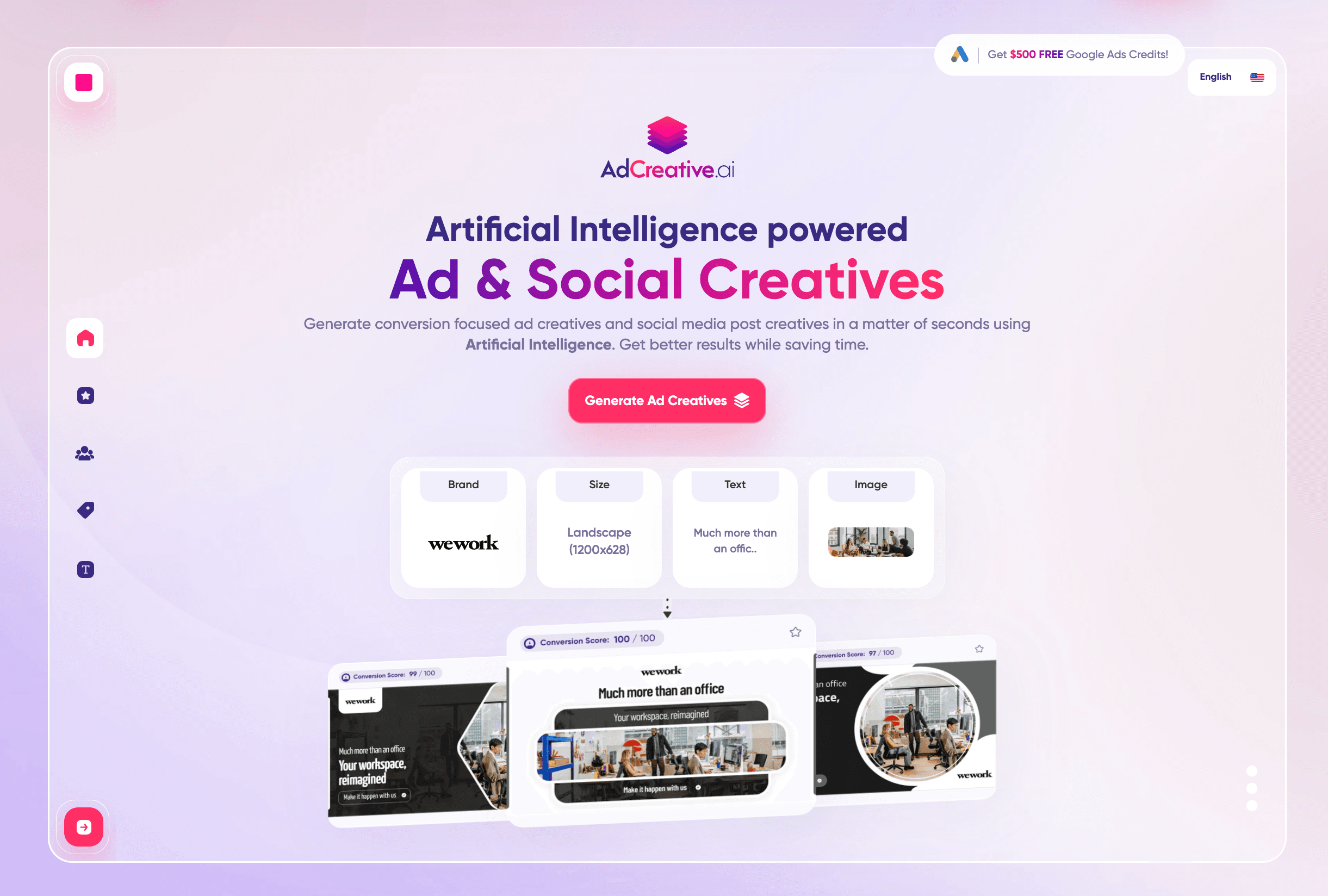
AdCreative.ai targets the performance-marketing problem of producing dozens of ad creative variations for testing. Brand assets in, AI-generated ad creative variations out, with built-in performance scoring that predicts which creatives will drive higher CTR before you spend ad budget testing them.
What it wins at: performance marketers running paid social and search at scale, agencies producing ad creative for multiple clients, and brands that need creative variation testing without designer bandwidth.
Where it falls down: for organic content (where craft matters more than variation volume), the output reads as ad-looking and doesn't fit. Best treated as a paid-creative tool, not a brand-content tool.
How to Build Your 2026 Social Media AI Stack
For most teams, the practical 2026 stack looks like:
- Cross-platform scheduling and analytics: Sprout Social AI (enterprise) or Vista Social (SMB/agency)
- One short-form video tool: Opus Clip if you have long-form source content; Captions if you're producing original short-form
- Platform-specific growth where it matters: Taplio if LinkedIn is core; Tweet Hunter if X is core
- Ad creative: AdCreative.ai only if you're running serious paid social
The full stack is around $200–400/month for a serious solo creator or small team; $1,000+ for agencies running it across clients. Don't over-buy — most teams plateau on 4 social tools and stop. Pick the cross-platform tool first, then add the short-form video tool, then the platform-specific growth tools only if those platforms are central to your strategy.
For adjacent reading, see our Best AI Tools for Marketing & SEO for the broader marketing stack, Top 7 AI Video Generators (2026) for the long-form video that Opus Clip and Captions slice into shorts, and Best AI Tools for Audio Creation and Editing for podcast-related production.
Frequently Asked Questions
What's the best AI tool for social media management? For most teams in 2026, no single tool wins the whole category — the right answer is a stack. Sprout Social AI or Vista Social for cross-platform scheduling, plus Opus Clip or Captions for short-form video. Solo creators on a budget can run Vista Social + Opus Clip for under $100/month total.
Which platforms do these tools support? The cross-platform tools (Sprout, Vista) cover Instagram, X, LinkedIn, Facebook, TikTok, Pinterest, YouTube, and others. Platform-specific tools (Taplio, Tweet Hunter) intentionally support only one platform. Threads, Bluesky, and emerging platforms get added to the cross-platform tools incrementally — check the specific platform list before subscribing.
Can AI write my social media posts? Yes, and the quality is now usable. The best practice in 2026 is using AI for first drafts (saving meaningful time on cadence) and human editing for voice, judgment, and on-brand language. Posts shipped raw from AI without editing read as AI-generated and underperform on every platform's algorithm.
Are there free AI social media tools? Most of the leaders have free tiers with limits — usable for evaluation, not enough for serious use. Captions has the most generous free tier. The cross-platform leaders (Sprout, Vista) require paid plans for meaningful usage.
How much does a credible 2026 social stack cost? Solo creator: $50–100/month (Vista Social + Opus Clip free tier or starter). Small business: $150–300/month (Vista or Sprout entry tier + Opus Clip + one platform-specific tool). Agency: $500+/month for multi-client workflows. Enterprise: $2,000+/month for Sprout + the full ecosystem.
Are AI clipping tools good enough to skip a video editor? For short-form clips of long-form content, increasingly yes — Opus Clip's output is competitive with junior-editor-level work. For original creative content, brand commercials, or anything where the editing IS the creative, human editors still win on judgment. Most teams use AI for the high-volume, low-craft work and keep human editors for hero pieces.
Do these tools work for B2B versus B2C? Mostly yes, but the playbooks differ. B2B social leans heavier on LinkedIn (Taplio) and long-form thought leadership; B2C leans heavier on TikTok and Reels (Opus Clip, Captions) plus paid social (AdCreative.ai). The cross-platform tools work for both; the platform-specific tools should be picked by where your audience actually lives.
Final Thoughts
Social media management in 2026 is a stack problem, not a single-tool problem. The teams getting real organic reach are running cross-platform infrastructure, dedicated short-form video AI, and platform-specific growth tools where it matters — and accepting that this means 3–5 subscriptions, not one all-in-one.
The biggest 2026 lever for most teams is short-form video repurposing. If you have long-form content (podcasts, webinars, talks, founder videos) and you aren't running Opus Clip or Captions on it, you're leaving real organic reach on the table — that's the highest-impact addition for most existing social workflows.
Categories these tools span
More collections you may also like


Sign up for our newsletter
Receive weekly updates so you can stay up-to-date with the world of AI
Sign up for our newsletter
Receive weekly updates so you can stay up-to-date with the world of AI
The AI tools directory for discovering, exploring, and comparing the most innovative AI tools in the industry