
Replicate
Cloud platform for running, deploying, and scaling machine learning models; acquired by Cloudflare, announced November 2025.
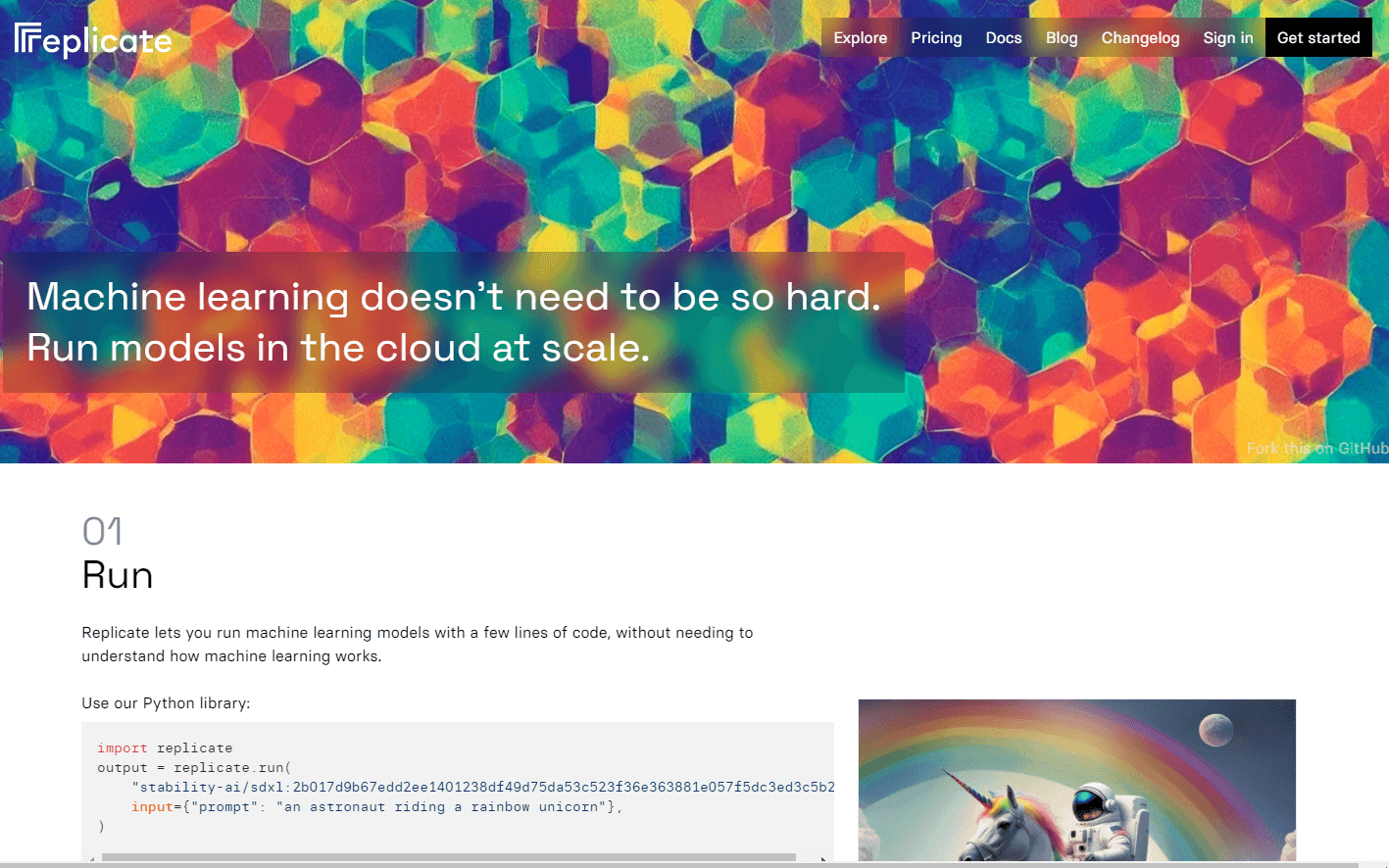
Acquired Replicate
Acquired · November 2025
Cloudflare announced its agreement to acquire Replicate on 17 November 2025, closing in early 2026. Replicate continues to operate as a distinct brand, and its catalogue of more than 50,000 models is being folded into Cloudflare Workers so developers can reach any model from the edge. Terms were not disclosed.
Acquired by Cloudflare.
Is Replicate shut down?
No — Replicate is still operating. Its acquisition by Cloudflare was announced on November 17, 2025, and the product continues to ship. We list it in the ToolDirectory.AI graveyard's acquired-but-operating section and watch for post-acquisition changes.
What to use instead

TOGETHER
Cloud service for developers to build with open-source AI, offering APIs, distributed training systems, and leading open-source models.
Paid - Inquire
4.93
441
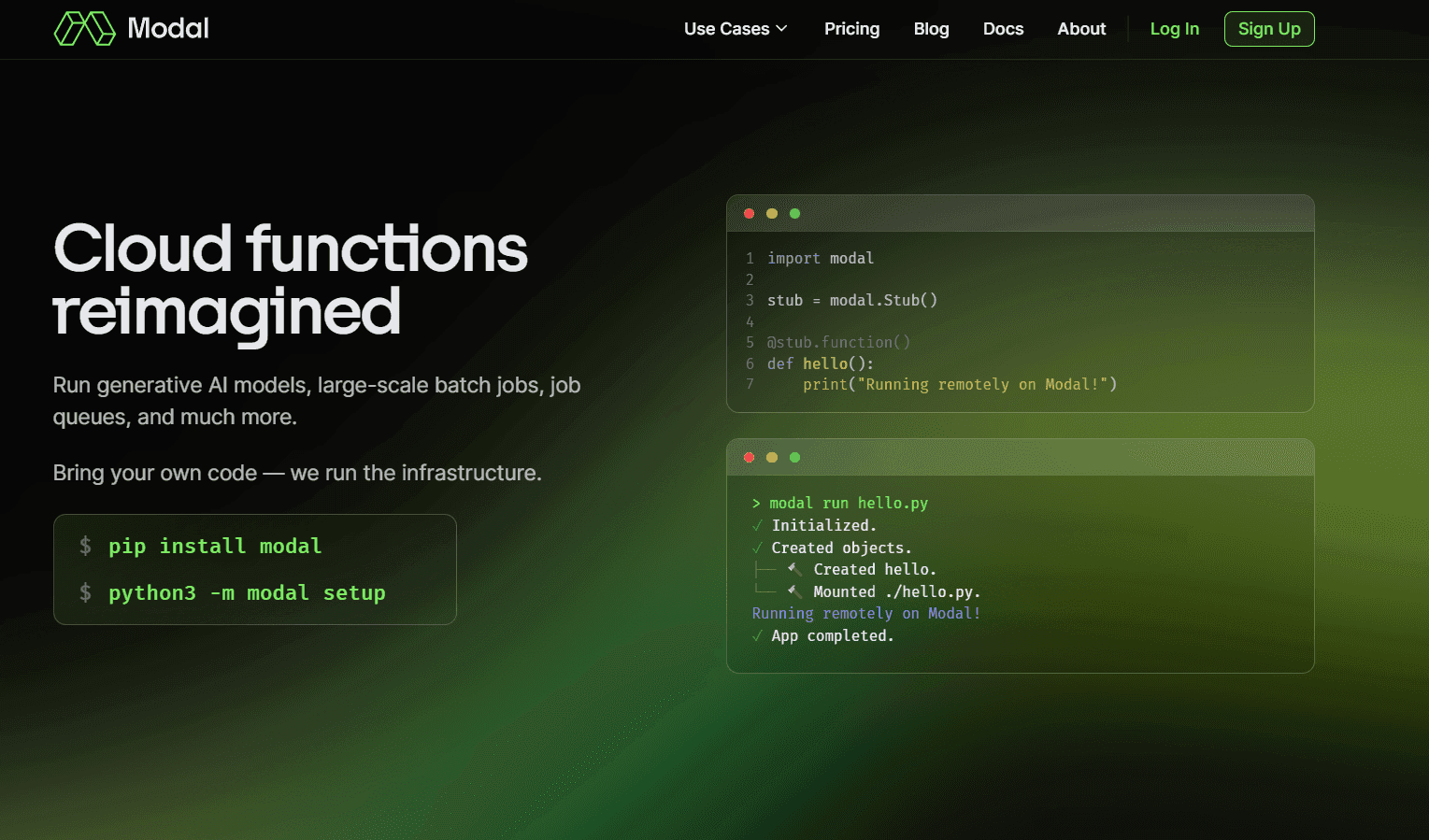

Modal
Modal offers an easy way for developers to run code in the cloud with serverless compute and containerized environments.
Paid - $30 /mo
4.86
400
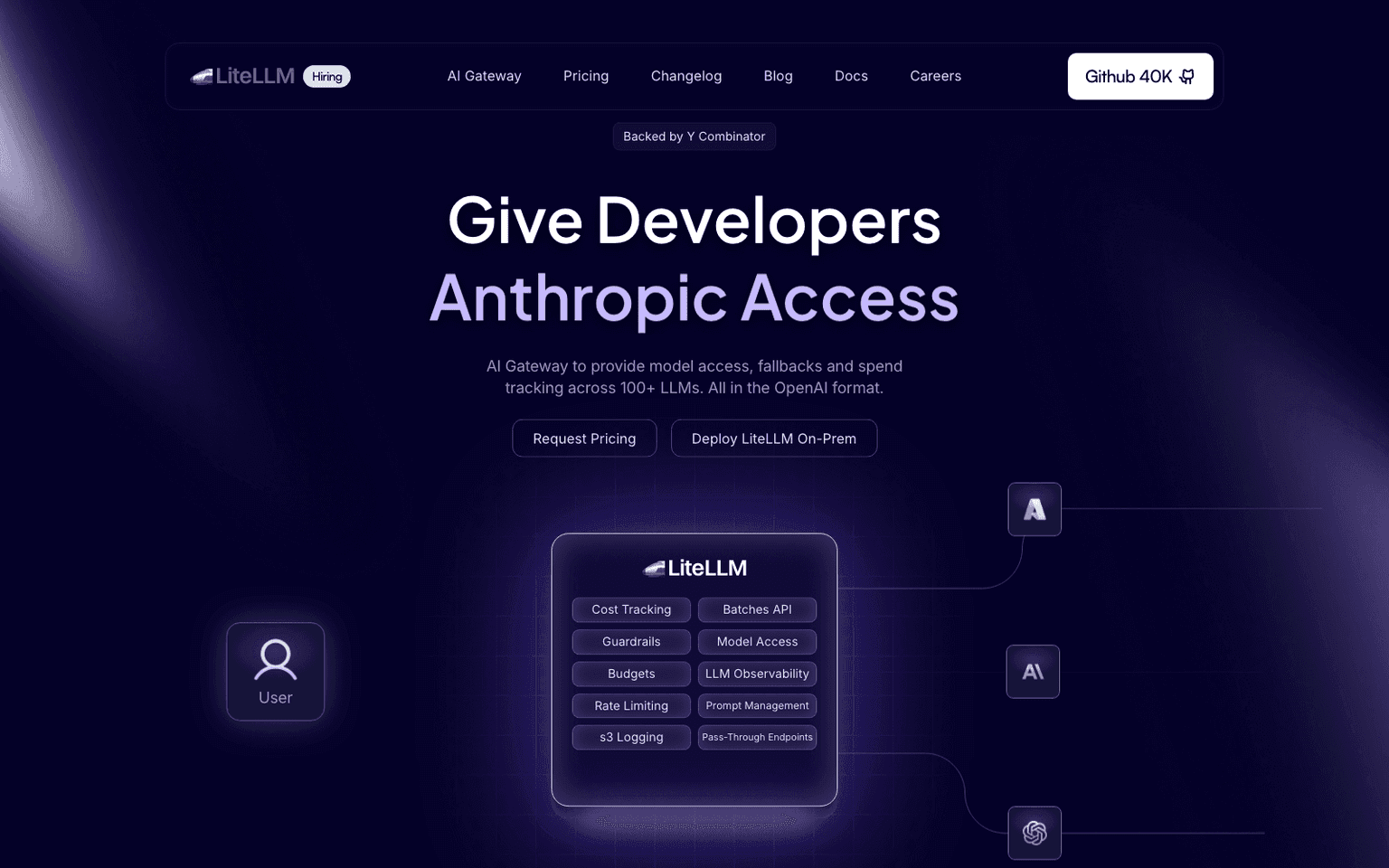

LiteLLM
Universal LLM proxy — call 100+ LLMs (OpenAI, Anthropic, Bedrock, Vertex) with one API.
Freemium
4.75
325
Overview
Replicate: Simplifying Machine Learning Deployment and Scaling
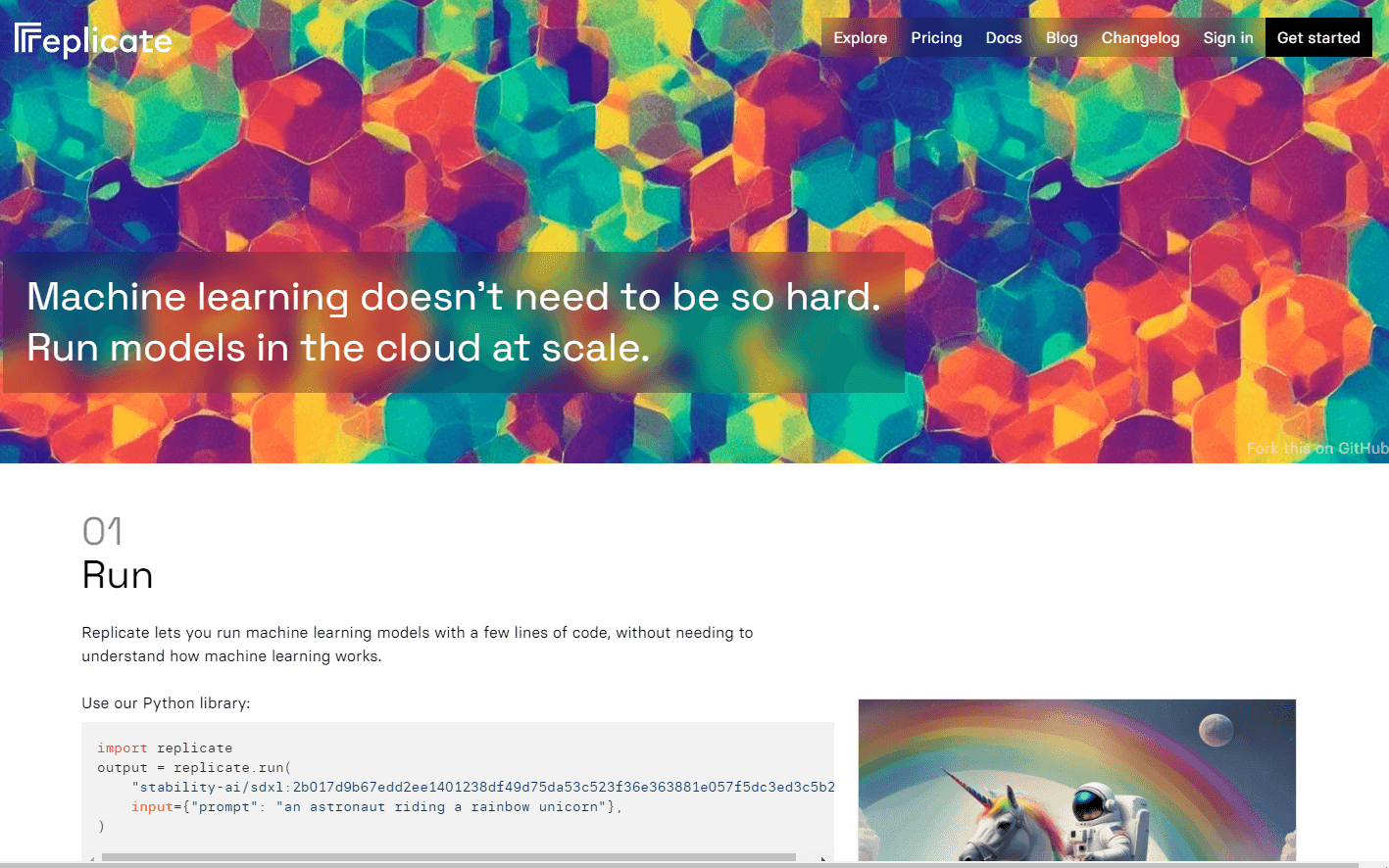
Replicate is a platform designed to make machine learning deployment straightforward and efficient. It allows users to run machine learning models in the cloud without delving deep into the intricacies of machine learning. With just a few lines of code, users can execute models, and with tools like Cog, they can package these models into production-ready containers. Replicate also offers an automatic API generation for models, ensuring scalability and efficient resource utilization. Whether you're using open-source models or deploying custom, private models, Replicate streamlines the process, ensuring you focus on building products rather than the complexities of deployment.
Key Features:
- Easy Model Execution: Run machine learning models in the cloud with minimal code.
- Cog Integration: Package machine learning models into production-ready containers.
- Automatic API Generation: Define your model, and Replicate will generate a scalable API server.
- Automatic Scaling: Replicate scales according to traffic, ensuring efficient resource utilization.
- Pay-per-use Model: Only pay for the actual runtime, ensuring cost-effectiveness.
Ideal Use Case:
Developers and organizations looking for a streamlined process to deploy and scale machine learning models without the complexities of manual deployment.
Why use Replicate:
- Simplified Deployment: No need to grapple with dependencies, configurations, or scaling issues.
- Cost-Effective: Pay only for the actual runtime, ensuring you're not charged for idle resources.
- Community Engagement: Access to a vast collection of models and integration with platforms like GitHub.
- Flexibility: Use open-source models or deploy custom models with ease.
FAQ
What does Replicate do? Replicate is a cloud platform that makes it easy to run, deploy, and scale machine learning models. It handles the infrastructure complexity so you can focus on building with AI.
Who should use Replicate? Replicate is built for developers and teams who need to integrate machine learning models into their applications without managing servers or infrastructure themselves.
How much does Replicate cost? Replicate uses a paid pricing model. Visit the Replicate pricing page for current plans and detailed pricing information.
How does Replicate compare to similar tools? Unlike code assistants like GitHub Copilot and Cursor, Replicate focuses specifically on deploying and scaling ML models rather than code generation. It serves a different purpose than design tools like v0, targeting developers who need production-ready model serving infrastructure.
tl;dr:
Replicate offers a seamless platform for deploying and scaling machine learning models, ensuring developers can focus on building products rather than deployment complexities.
Related
Looking for more options? Browse the Developer Tools directory or read our best AI coding tools listicle. Replicate has a Wikipedia entry and is tracked on Crunchbase.
Why Use Replicate
Editorial Review
Our take on Replicate.

Solid ML inference platform that abstracts away deployment complexity, but you're betting on their pricing and uptime for production workloads.
What works
- Removes model deployment and scaling boilerplate
- High community satisfaction score (4.92)
- Works with arbitrary models, not locked to one framework
What doesn't
- Pricing opaque; requires sales conversation
- Production reliability depends entirely on their uptime
Replicate handles the unglamorous work of running ML models at scale—you point it at a model, it serves it with auto-scaling, and you pay per inference. The appeal is real if you're tired of managing containerization, GPUs, and load balancers yourself.
The catch is the black-box pricing ("inquire" territory) and the fact that you're outsourcing inference to a third party. That's fine for prototyping or variable-load workloads where you'd otherwise over-provision. But if you're running something latency-sensitive or cost-predictable at massive scale, you'll want to run the math and probably talk to their sales team first. You're trading operational burden for vendor lock-in and a bill that depends on how much your users hammer the API.
Worth evaluating if you're shipping models quickly and don't want to hire infrastructure expertise. Less interesting if you already have deployment patterns or need extreme cost predictability.