OutSystems
High-performance low-code platform for app development
Overview
OutSystems: Leading the Way in Enterprise Low-Code Application Platforms
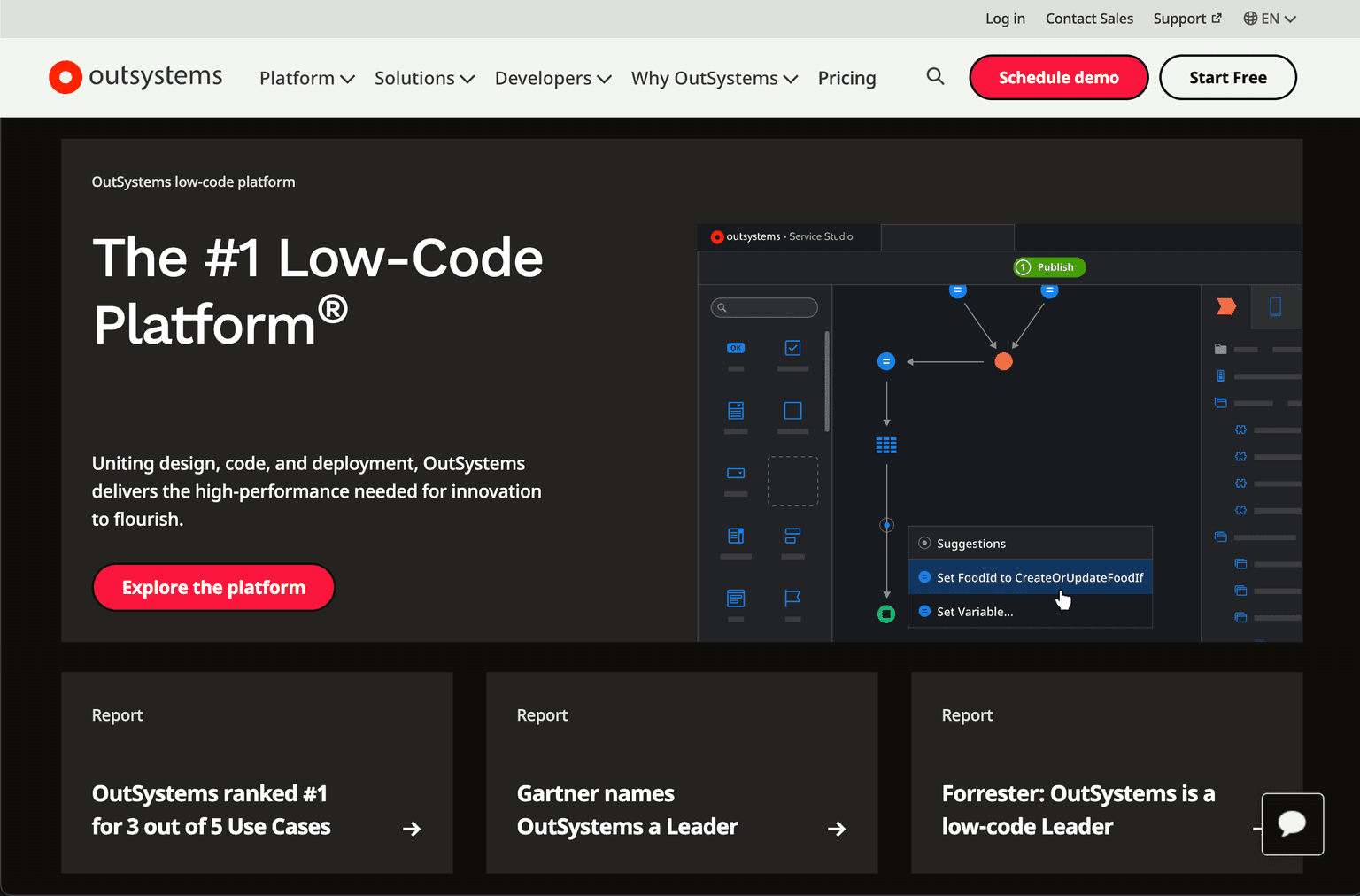
OutSystems is a high-performance low-code platform that empowers organizations to rapidly develop and deploy critical applications. It unites design, code, and deployment in a seamless manner, delivering the efficiency needed for innovation to flourish. Recognized as a leader in the Gartner® Magic Quadrant™ for Enterprise Low-Code Application Platforms, OutSystems is the go-to solution for businesses seeking to streamline their app development process without compromising on quality or scalability.
Key Features:
- Rapid Application Development: Accelerate the creation of enterprise-grade applications.
- Low-Code Platform: Simplify development with an intuitive, low-code approach.
- High-Performance Solutions: Deliver robust applications that perform at scale.
- Comprehensive Integration Capabilities: Seamlessly integrate with existing systems and data.
- Cross-Platform Deployment: Deploy applications across various platforms and devices.
- Advanced Security Features: Ensure the highest level of security and compliance.
Ideal Use Case:
OutSystems is ideal for enterprises and developers looking to rapidly develop, deploy, and manage large-scale applications with minimal coding effort.
Why use OutSystems:
- Speed and Agility: Develop applications faster than traditional coding methods.
- Scalability: Build solutions that scale with your business needs.
- Flexibility: Adapt to changing requirements with ease.
- Innovation-Friendly: Foster a culture of innovation with streamlined development processes.
FAQ
What does OutSystems do? OutSystems is a low-code platform designed to help you build high-performance applications without writing extensive code. It streamlines app development by letting you focus on logic and design rather than boilerplate programming.
Who should use OutSystems? OutSystems works well for developers, development teams, and enterprises looking to accelerate app delivery while maintaining quality and performance. It's suitable for anyone wanting to reduce development time without sacrificing control or customization.
How much does OutSystems cost? OutSystems offers a free tier to get started. Visit the OutSystems pricing page for current plans and details on paid options.
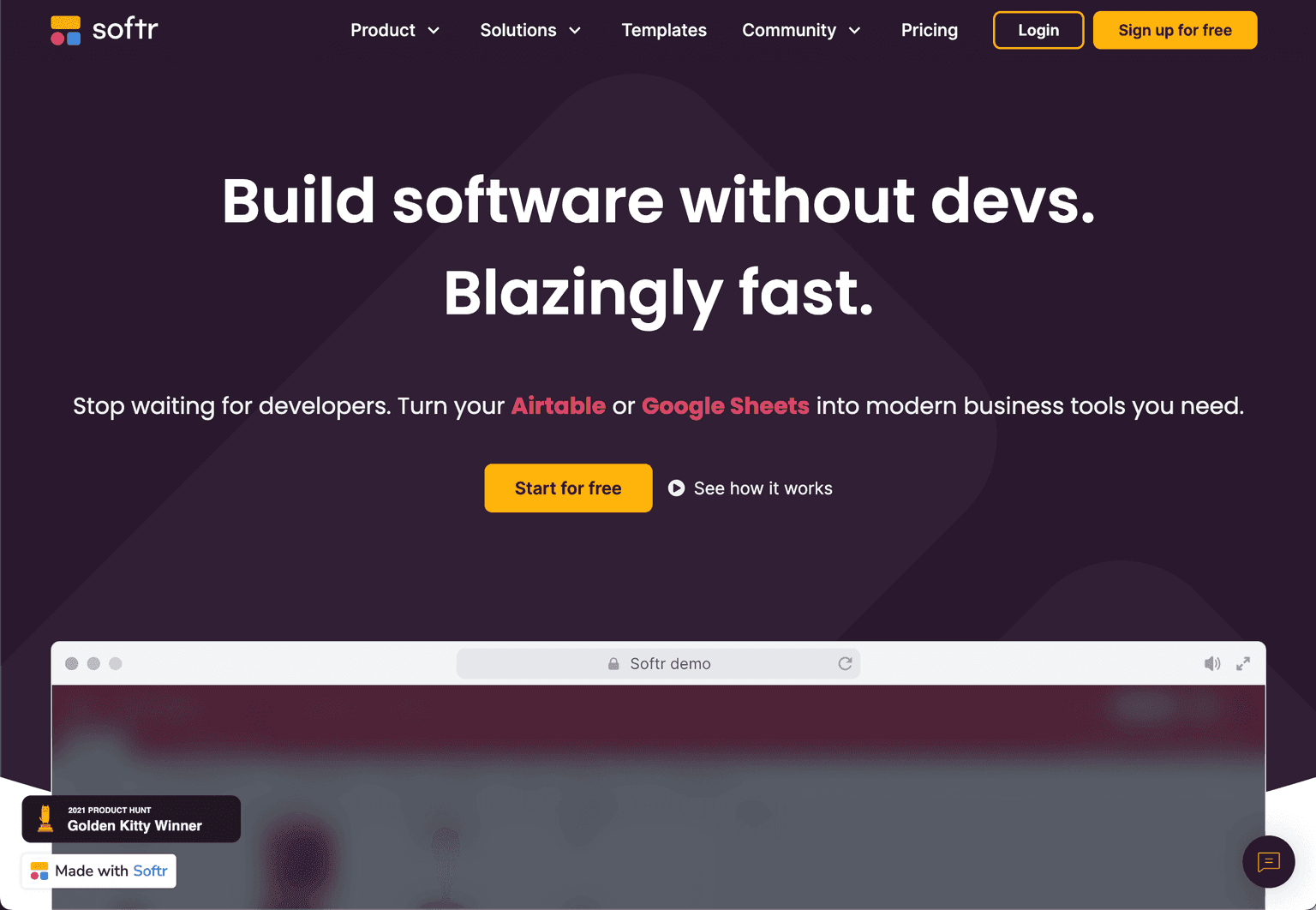
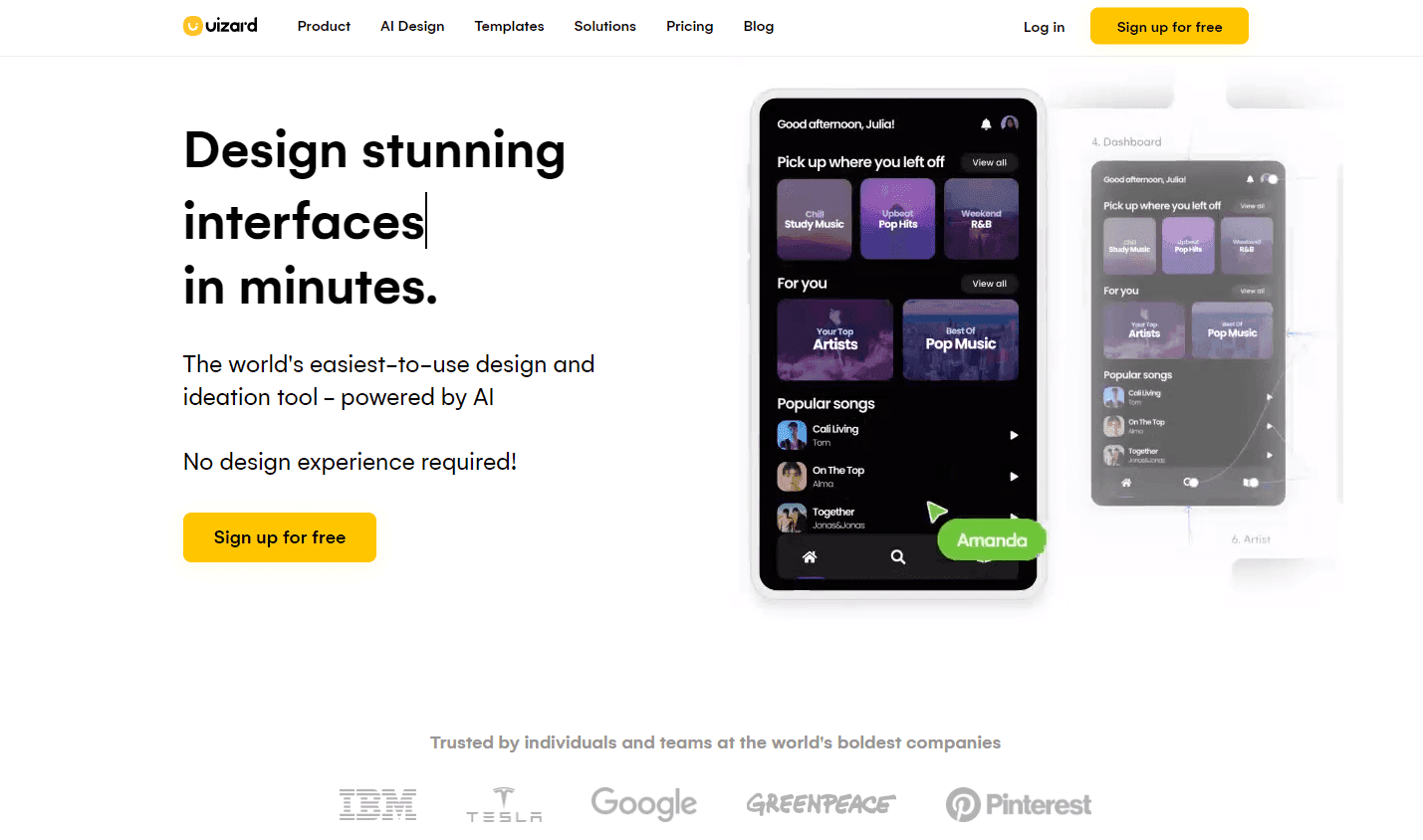
How does OutSystems compare to similar tools? Unlike code-first platforms like Replit Agent, OutSystems emphasizes a low-code approach with strong performance optimization built in. Compared to visual builders like Softr and Uizard, OutSystems gives developers more control and flexibility for complex enterprise applications.
tl;dr:
OutSystems offers a powerful low-code platform that significantly reduces app development time, enabling businesses to innovate faster and more efficiently.
Related
Looking for more options? Browse the No-Code / Low-Code directory or read our best no-code AI tools listicle. OutSystems is also tracked on Crunchbase.
Why Use OutSystems
Editorial Review
Our take on OutSystems.

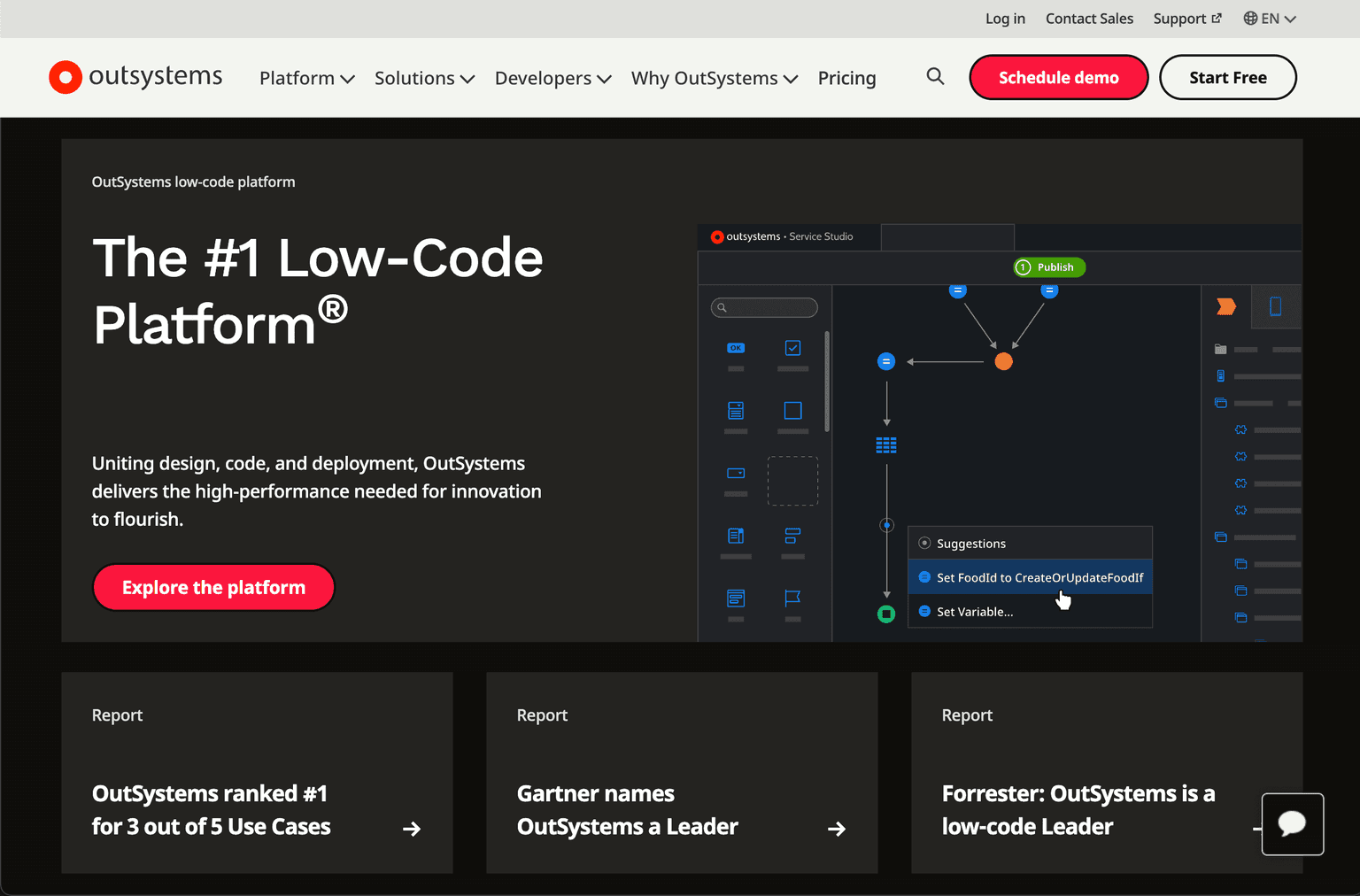
OutSystems is a low-code platform for building and deploying applications at scale, with a free tier that removes the usual evaluation friction.
What works
- Free tier lowers entry cost
- High community rating (4.83) signals user satisfaction
- Positioned for enterprise and scalable app needs
What doesn't
- Low likes (395) relative to platform age suggests niche adoption
- Not flagged as top tool; modest market position
OutSystems pitches itself as a high-performance low-code platform, meaning you write less boilerplate and more business logic. The free tier removes initial friction—you can actually try it without a credit card.
The practical question: what problems does this solve that a generalist no-code tool (Softr, Uizard) doesn't? Low-code platforms typically target teams building internal tools, CRUD-heavy business apps, and forms-driven workflows where you need IDE-like power but not pure code. OutSystems claims "high-performance," but that's a marketing claim; what matters is whether it scales past prototypes without hitting deployment walls.
If you're already locked into OutSystems or your team has built expertise, there's inertia keeping you there. If you're starting fresh and comparing against Replit Agent, Softr, or pure code, you'd want to test it yourself on your actual use case rather than rely on marketing claims about performance.
User Reviews
Similar Tools