
OpenAI Operator
OpenAI's browser-using AI agent — Operator looks at webpages, clicks, types, and scrolls to handle tasks like booking, ordering, and form-filling autonomously.
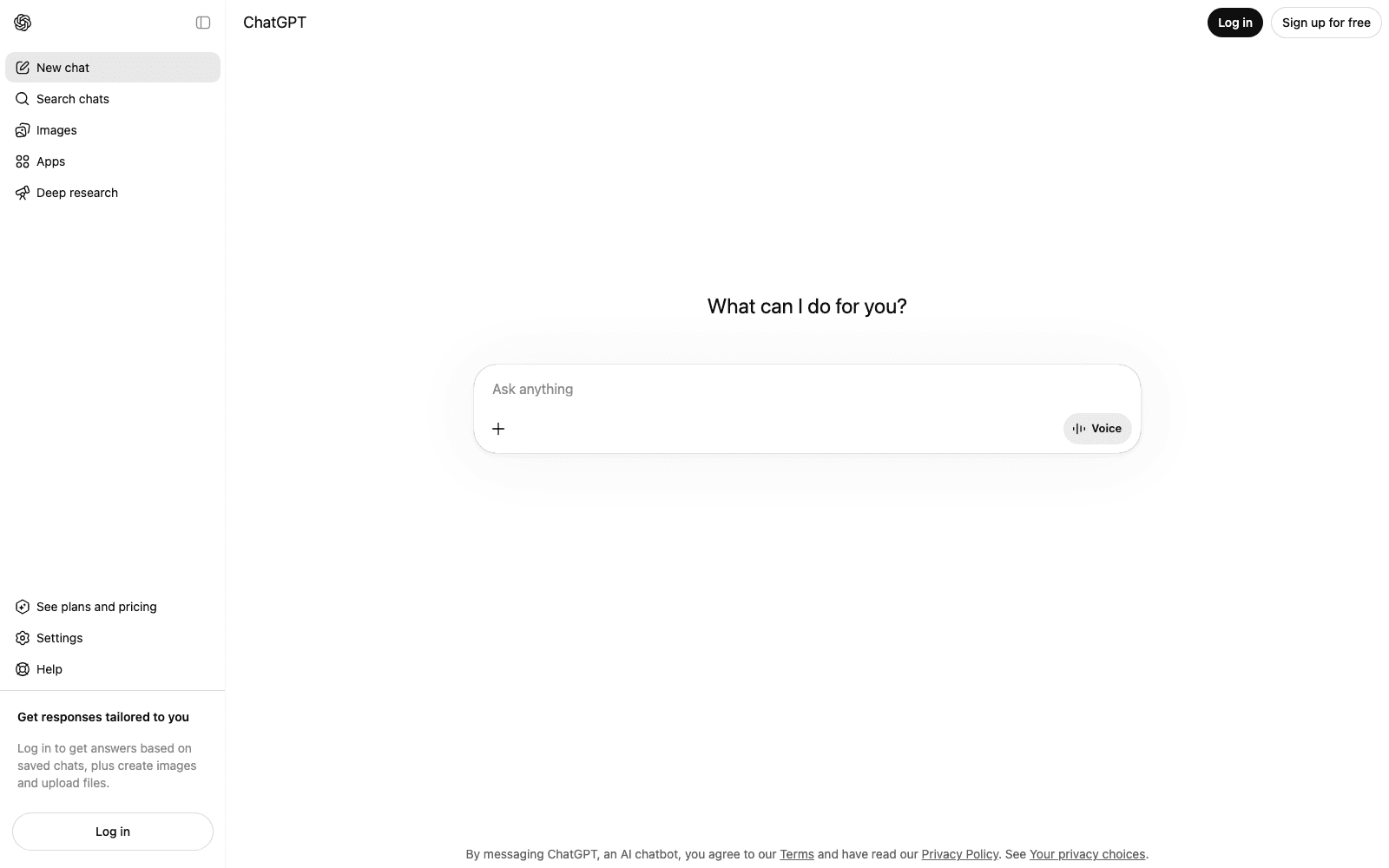
RIP OpenAI Operator
Shut down · August 2025
Operator was OpenAI’s first computer-use agent — a research preview that could click, type, and browse on your behalf. Launched to Pro users in January 2025, it lasted seven months as a standalone product before OpenAI folded it into ChatGPT Agent on August 31, 2025. Less a death than a promotion: its capabilities became the agent layer inside ChatGPT itself.
Last known pricing: Bundled with ChatGPT Pro ($200/mo)
Is OpenAI Operator shut down?
Yes. OpenAI Operator shut down on August 31, 2025 and is no longer available. Its record is preserved in the ToolDirectory.AI graveyard, our hand-reviewed registry of AI tools that shut down or were acquired.
What to use instead
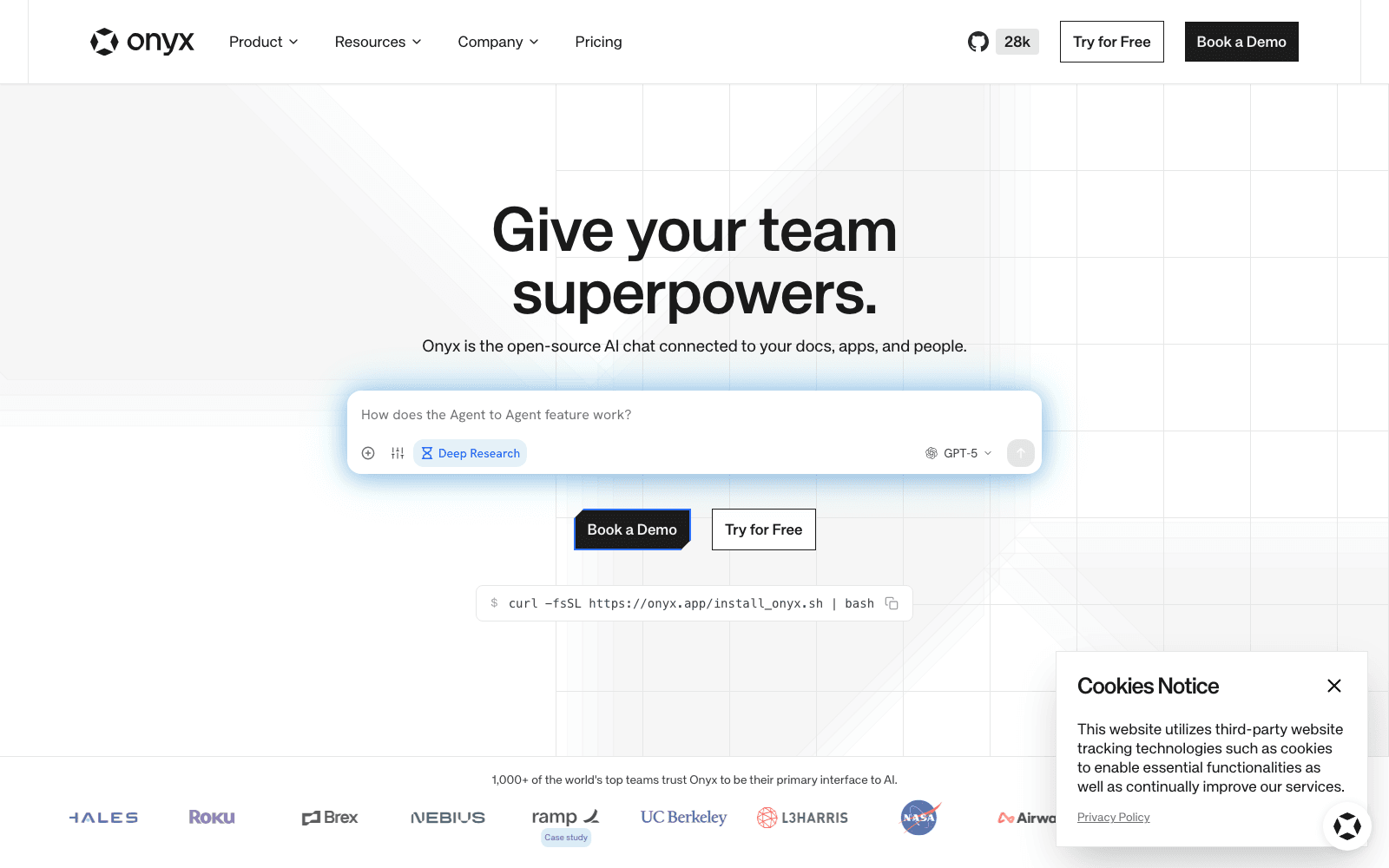

Onyx
Onyx (formerly Danswer) is the open-source AI chat and enterprise search platform connecting all your company knowledge into a unified AI assistant.
Freemium
4.78
182


Anthropic
AI safety company building Claude and pioneering Constitutional AI — $61B valuation.
Freemium
4.93
495


Doubao
ByteDance's flagship AI assistant. 155M+ weekly active users — among the most-used AI products globally. Multimodal chat, image, voice.
Free
4.93
474
Overview
OpenAI Operator: Browser-Using AI Agent
OpenAI Operator is OpenAI's browser-using AI agent — powered by their Computer-Using Agent (CUA) model that looks at a webpage and interacts with it through clicks, typing, and scrolling. Operator handles repetitive browser tasks: filling forms, ordering groceries, booking dinner reservations, compiling research lists, even creating memes.
Launched January 23, 2025 to ChatGPT Pro users in the US at operator.chatgpt.com. Distinct from ChatGPT Agent (which is the broader agentic mode in ChatGPT) — Operator is the dedicated browser-control surface.
Status note (August 2025): OpenAI retired Operator as a standalone product on August 31, 2025 and folded its computer-use capabilities into ChatGPT Agent. The successor is listed in this directory as ChatGPT Agent.
Key Features
- Computer-Using Agent (CUA) model that operates browsers natively
- Click, type, scroll across any web interface
- Handles multi-step browser tasks autonomously
- Take-over mode: pause and let users intervene at sensitive steps
- Available at operator.chatgpt.com to ChatGPT Pro subscribers
Ideal Use Case
Knowledge workers offloading repetitive browser tasks (research, form-filling, scheduling, ordering), and any workflow that involves multi-step browser navigation that's tedious but not literally impossible to do manually.
Why Use OpenAI Operator
Browser-using AI is the agentic-AI use case with the most concrete product-market fit so far. Operator sits in the ChatGPT-product family, which means it inherits reach + identity + payment that purpose-built browser-agent startups (Browser Use, Stagehand) don't have.
FAQ
What can OpenAI Operator do for me? OpenAI Operator is an AI agent that interacts with websites on your behalf. It can view webpages, click buttons, type text, and scroll through sites to complete tasks like booking reservations, placing orders, and filling out forms without manual effort.
Who should use OpenAI Operator? OpenAI Operator is designed for anyone looking to automate repetitive web-based tasks, from professionals managing bookings and purchases to individuals who want to delegate routine form-filling and online shopping to an AI agent.
How much does OpenAI Operator cost? OpenAI Operator is a paid tool. For details on current pricing and available plans, visit the OpenAI Operator pricing page at https://operator.chatgpt.com.
How does OpenAI Operator compare to other AI tools? Unlike general conversational AI tools like ChatGPT, Gemini, or Perplexity.ai, OpenAI Operator is specifically built to take actions on websites by controlling a browser rather than just answering questions or generating text. This makes it suited for users who need autonomous task execution across the web.
Q: What happened to OpenAI Operator? A: OpenAI shut the standalone Operator preview on August 31, 2025 and folded its browser-automation capabilities into ChatGPT Agent, which is the direct successor and is available inside ChatGPT.
tl;dr
OpenAI's browser-using AI agent. CUA model + ChatGPT integration. The most consumer-visible AI-controls-a-browser product.
Related
Looking for more options? Browse the Productivity directory or read our best AI productivity tools listicle. OpenAI Operator has a Wikipedia entry and is tracked on Crunchbase.
Why Use OpenAI Operator
Editorial Review
Our take on OpenAI Operator.

OpenAI shut Operator down on 31 August 2025, six weeks after folding its browser-agent capability into ChatGPT as agent mode. The capability was consolidated, not abandoned.
What works
- Handled real web tasks — forms, bookings, ordering — without custom integrations
- Natural-language interface, far lower friction than scripted RPA
- Its capability lives on inside ChatGPT rather than having been discontinued outright
What doesn't
- Discontinued 31 August 2025; operator.chatgpt.com is no longer a separate product
- Never published transparent pricing during its run
- Struggled with messy page layouts and sites running anti-bot measures
Discontinued, but absorbed rather than killed. OpenAI launched Operator on 23 January 2025 as a research preview for ChatGPT Pro subscribers in the US. On 17 July 2025 it folded the capability into ChatGPT as agent mode, and the standalone Operator product shut down on 31 August 2025.
What to use instead: agent mode inside ChatGPT, selected from the composer dropdown, is the direct continuation and reaches a much wider set of paid tiers than the Pro-only preview ever did. This is a consolidation story, not a failure — worth distinguishing, because a shutdown notice usually is not.
What Operator demonstrated: an agent that could see a web page, navigate it and finish a task without human intervention, aimed squarely at the form-filling and booking workflows that otherwise demand manual effort or brittle automation scripts. Its limits were the predictable ones for early tooling — changing layouts, awkward forms, and sites actively defending against automation — and its pricing was never transparent enough to model a return on.