Kimi
Moonshot AI assistant with long-context reasoning and strong agentic coding.
Overview
Kimi by Moonshot AI: Long-Context Chat and Agentic Coding Models for Real Workflows
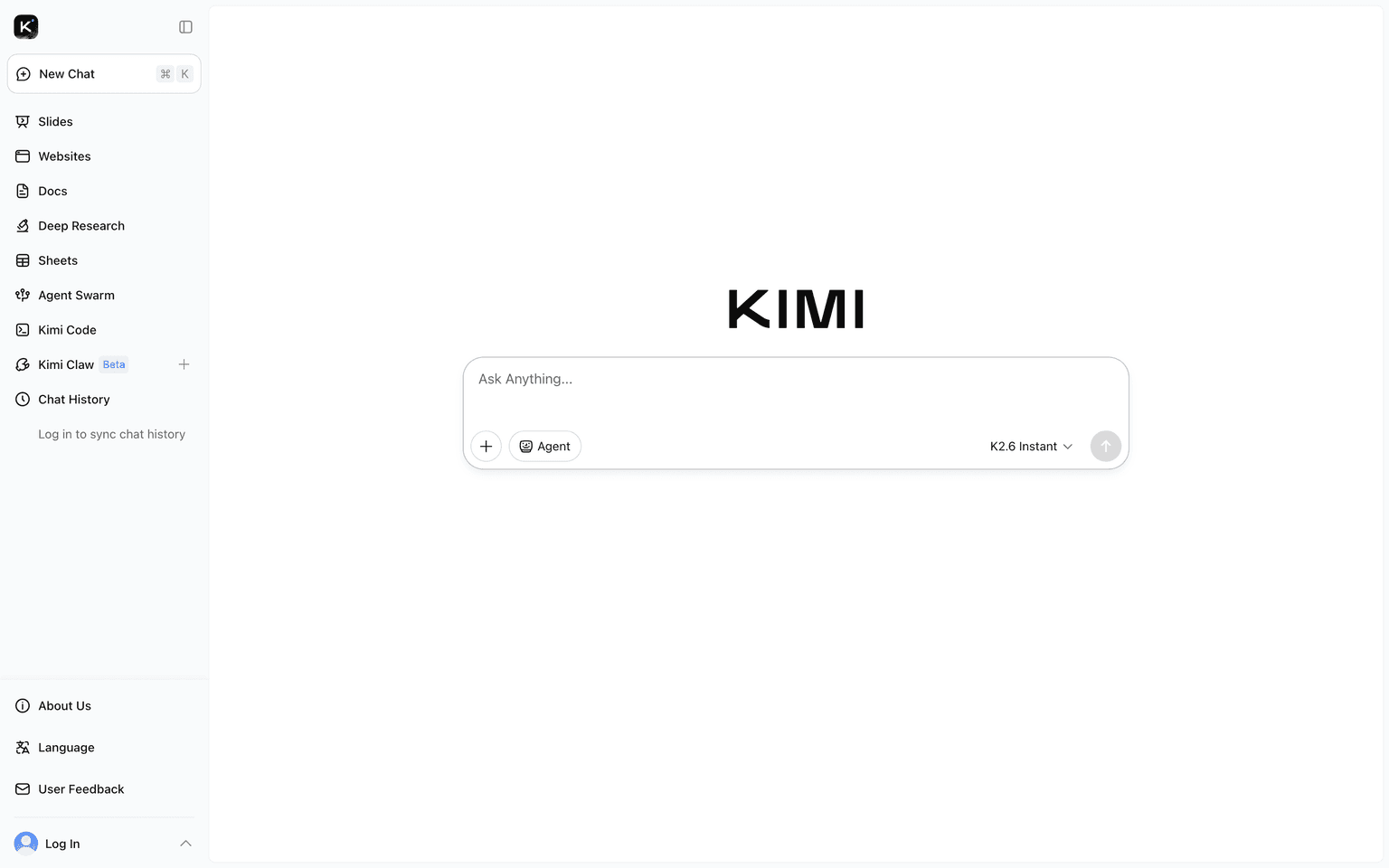
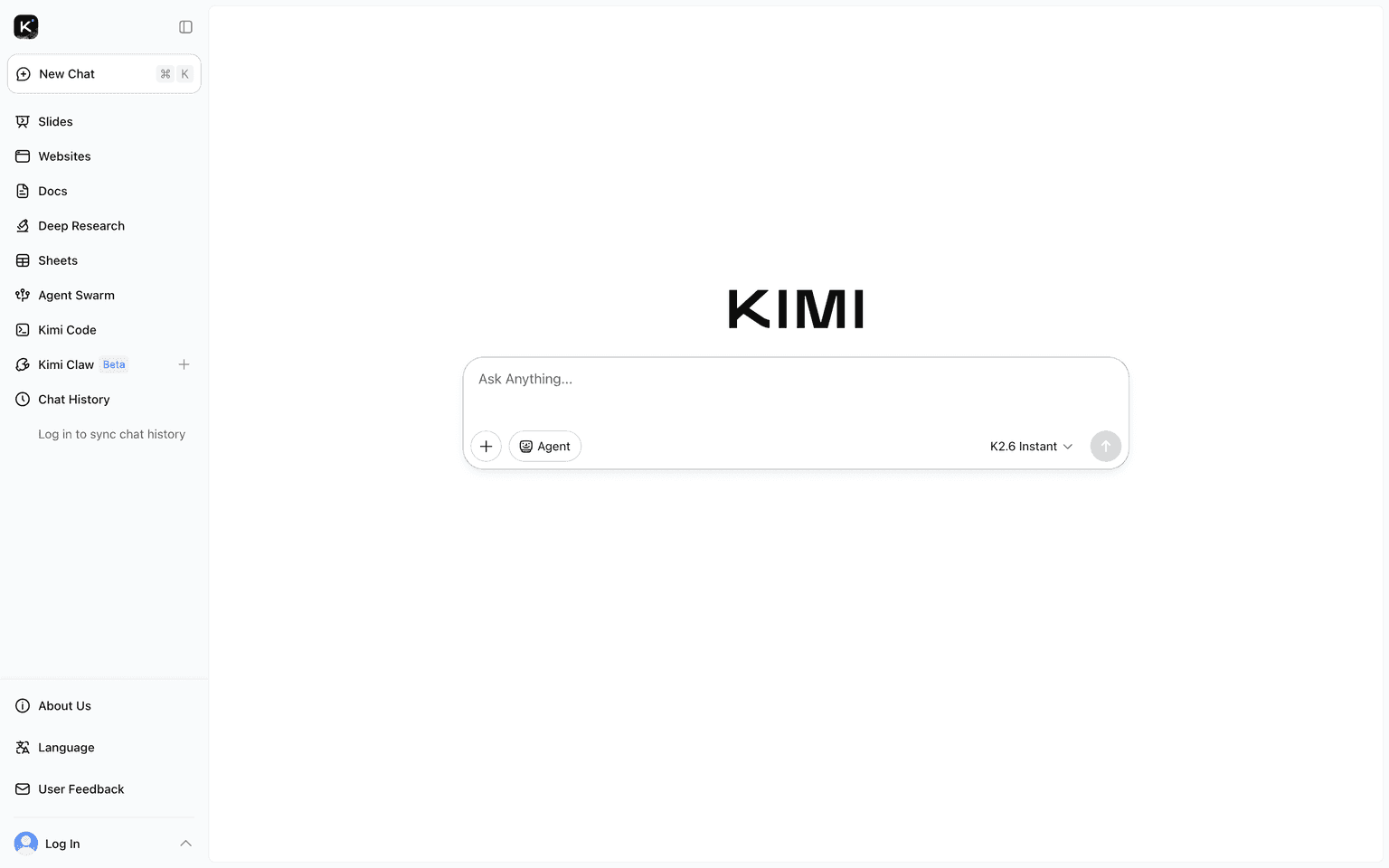
Kimi is Moonshot AI's flagship assistant and agentic model family, known for very long context windows and strong agentic coding performance. The Kimi K2 series and successors are released as open-weight checkpoints alongside the consumer Kimi Chat product on web and mobile, and the Moonshot Platform API for developers. Power users use Kimi for long-document analysis, deep research, and agentic coding tasks where most assistants run out of context window.
Key Features:
- Long-context Kimi Chat for documents, repos, and deep research
- Kimi K2 series with strong agentic coding benchmarks
- Open-weight checkpoints released to the community
- Web app and mobile apps for everyday consumer use
- Moonshot Platform API for token-priced developer access
- Reasoning and tool-use modes for agentic workflows
- Strong Chinese-English performance with multilingual support
- Frequent model refreshes and rapid iteration
- Active GitHub presence under MoonshotAI
Ideal Use Case:
Kimi is built for users who need long-context reasoning over documents, repos, and chats, plus developers wanting an agentic coding model with open weights. It is particularly strong for research, due diligence, and long-document workflows.
Why Use Kimi:
- Free Kimi Chat with very long context for documents and research
- Open-weight Kimi K2 checkpoints for self-hosting and fine-tuning
- Strong agentic coding performance on real engineering tasks
- Token-priced API for production workloads
- Web and mobile apps for everyday consumer use
- Active community around Moonshot AI on GitHub and Hugging Face
FAQ
Is Kimi free? Yes. Kimi Chat is free for end users on web and mobile. The Moonshot API is pay-as-you-go.
Who builds Kimi? Kimi is built by Moonshot AI, one of the leading Chinese AI labs.
Are Kimi models open source? The Kimi K2 series and successors have been released as open-weight checkpoints. Check each release for license terms.
How long is Kimi's context window? Kimi is known for very long context windows that handle full books, large codebases, and long chat histories.
How does Kimi compare to Claude or GPT? Kimi is consistently competitive on long-context and agentic coding benchmarks, especially against frontier closed models.
tl;dr:
Kimi is Moonshot AI's long-context, agentic model family with a free chat assistant, an open-weight K2 series, and a developer API. For deep research, long documents, and agentic coding, it is one of the strongest options outside the US labs.
Related
Looking for more options? Browse the Productivity directory or read our best AI productivity tools listicle. Kimi is also tracked on Crunchbase.
Why Use Kimi
FAQ
Editorial Review
Our take on Kimi.

Kimi is a Moonshot AI assistant built for long-context reasoning and agentic coding, with a freemium chat tier and open-weight model releases.
What works
- Freemium chat + open-weight model releases lower barrier to entry
- Pay-as-you-go API pricing avoids subscription lock-in
- 4.92 community rating indicates solid user satisfaction
What doesn't
- Enterprise track record is thinner than the Western frontier labs
- Long-context and agentic coding claims lack named deployments to verify
Kimi handles long-context reasoning and agentic coding tasks through a freemium chat interface and a pay-as-you-go API. The tool is available across web and mobile, positioning it as a productivity-focused alternative to Doubao, Pi, and Windsurf.
The freemium model lowers entry friction for chat users. Moonshot also releases K2 open-weight checkpoints to the community, which matters if you want to run inference locally or fine-tune. The API uses token-based pricing, so costs scale with usage rather than locking you into a subscription. For teams, that's a clearer variable-cost model than seat-based plans.
Long-context reasoning is the headline claim; in practice, that's only useful if your workflows actually need it—code review on large repos, cross-document analysis, or multi-turn agent loops. Agentic coding is a category still settling into maturity, so feature stability and real-world agent reliability matter more than feature count. The competitive set (Doubao, Pi, Windsurf) suggests Kimi targets both consumer and developer segments, but without more concrete examples of production deployments or agent use-case wins, it's harder to assess whether the implementation stands out technically.
User Reviews
Similar Tools