
Brex
Brex is the AI-first global spend platform combining corporate cards, expense management, bill pay, and travel. $300B+ in transaction volume; acquired by Capital One in April 2026.
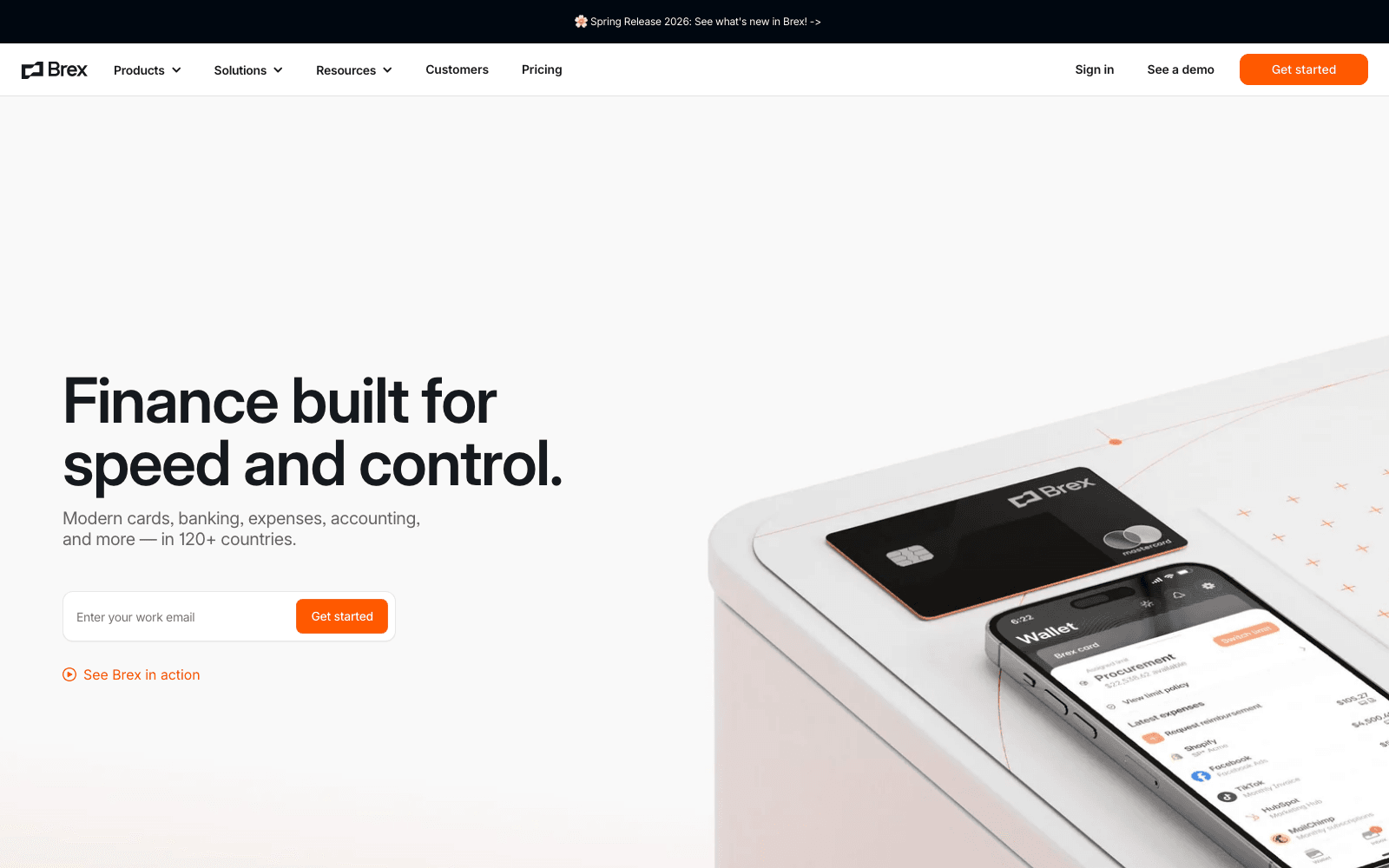
Acquired Brex
Acquired · January 2026
Acquired by Capital One under a merger agreement announced on 22 January 2026 and completed on 7 April 2026, for roughly $2.6B in cash plus about 10.6 million Capital One shares -- well below the $12.3B valuation it carried at its 2022 peak. Brex continues to operate under its own brand with co-founder Pedro Franceschi as CEO, and the cards, expense automation, bill pay and travel products all keep shipping. What changes is who sets the roadmap: spend decisions now sit inside Capital One's business-banking strategy.
Acquired by Capital One.
Is Brex shut down?
No — Brex is still operating. Its acquisition by Capital One was announced on January 22, 2026, and the product continues to ship. We list it in the ToolDirectory.AI graveyard's acquired-but-operating section and watch for post-acquisition changes.
What to use instead


Lemonade Car
AI-native car insurance from Lemonade — usage-based pricing via telematics, AI claims processing in seconds. Public ($LMND).
Paid - Premium-based
4.92
420

HouseCanary
AI-powered residential real estate valuation, forecasting, and analytics. AVMs and ComeHome tools used by lenders, investors, and consumers nationwide.
Freemium
4.73
313

Cherre
Real estate data integration platform. Unifies third-party, internal, and public datasets into a single graph for institutional CRE investors.
Freemium
4.77
233
Overview
Brex: AI-First Global Spend Management
Brex is Corporate cards with built-in expense automation and policy enforcement. Brex's AI is what differentiates from Ramp now: the AI agent reasons over your spend data and answers natural-language questions instantly. Plus the global card footprint and travel platform are the most complete in the category.
Acquisition note (January 2026): Capital One agreed to acquire Brex under a merger agreement dated 22 January 2026 and completed the transaction on 7 April 2026, paying approximately $2.6B in cash plus about 10.6 million Capital One shares. Brex continues to operate under its own brand with co-founder Pedro Franceschi as CEO.
Key Features
- Corporate cards with built-in expense automation and policy enforcement
- Brex AI agent answers spend questions and surfaces anomalies in real time
- Bill pay, travel booking, and expense reimbursement on one platform
- Native QuickBooks, NetSuite, Sage Intacct, and Xero integrations
- $300B+ in transaction volume processed
- Acquired by Capital One; deal completed 7 April 2026
- Used by 30,000+ companies including DoorDash, Coinbase, Anthropic
Ideal Use Case
Finance and ops leaders at startups, mid-market, and enterprise who want a single AI-native platform for cards, expenses, bills, travel — replacing legacy stacks like Concur + Bill.com + Expensify.
Why Use Brex
Brex's AI is what differentiates from Ramp now: the AI agent reasons over your spend data and answers natural-language questions instantly. Plus the global card footprint and travel platform are the most complete in the category.
FAQ
Q: vs Ramp? A: Brex has stronger global footprint and travel; Ramp has stronger savings/procurement insights. Both are tier-1.
Q: Free tier? A: Brex Essentials is free for early-stage startups; Premium and Enterprise add procurement, travel, advanced AI.
Q: Who owns Brex? A: Capital One. The acquisition was announced on 22 January 2026 and completed on 7 April 2026. Brex continues to ship under its own brand, with Pedro Franceschi remaining CEO.
Q: Compliance? A: SOC 1 Type II, SOC 2 Type II, PCI DSS Level 1.
Q: Multi-currency? A: Yes — global cards in 50+ currencies; the most complete global footprint among AI-spend platforms.
tl;dr
AI corporate cards + expense + bill pay + travel. $300B+ volume, 30,000+ customers.
Related
Looking for more options? Browse the Finance & Trading directory or read our best AI finance tools listicle. Brex is also tracked on Crunchbase.
Why Use Brex
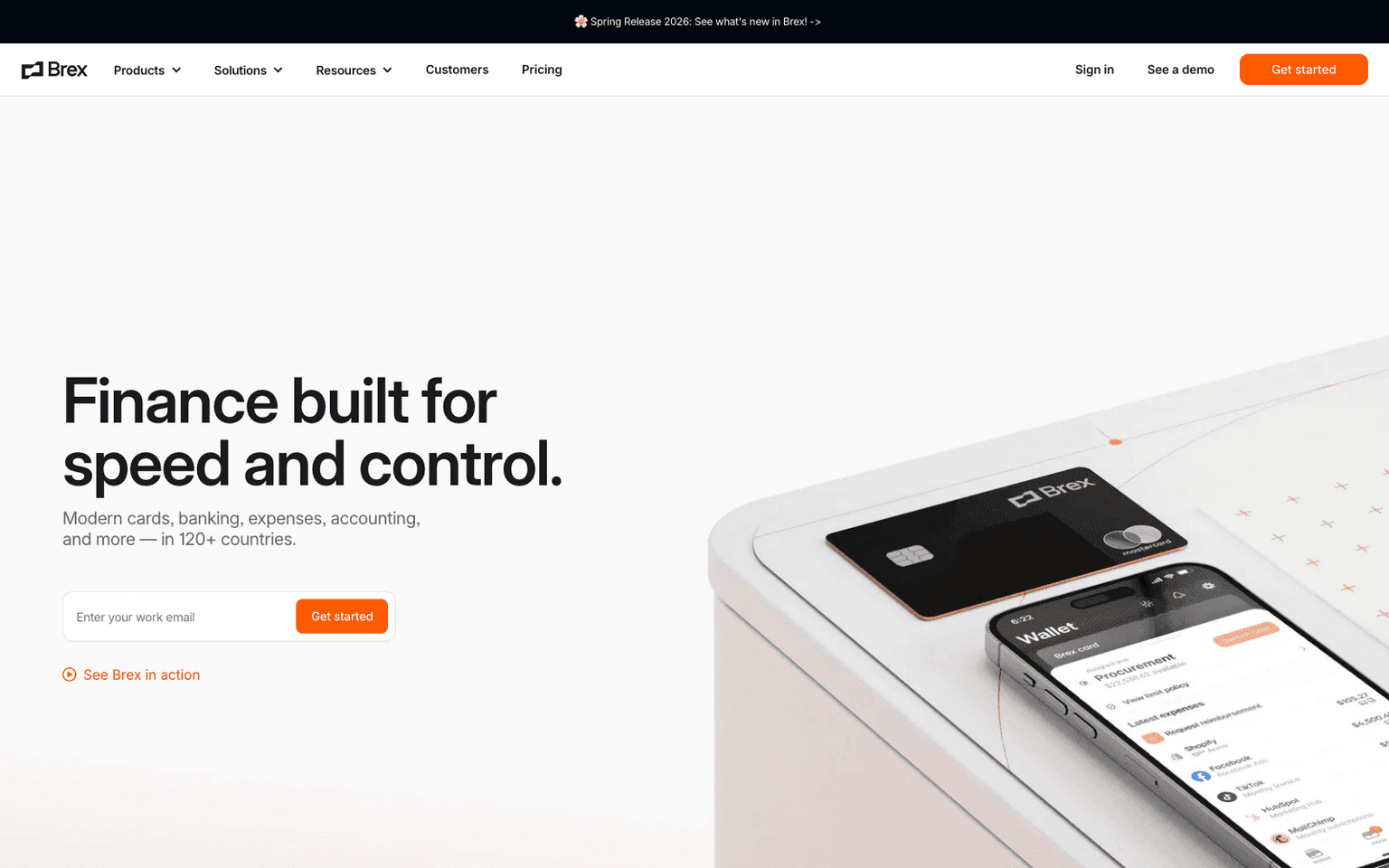
Editorial Review
Our take on Brex.

Brex is now a Capital One company -- the acquisition was announced on 22 January 2026 and completed on 7 April 2026, with Pedro Franceschi staying on as CEO. The cards, expense automation and bill pay all keep shipping; the open question is what a bank owner does to the roadmap.
What works
- Cards, expenses, bill pay and travel on one ledger cuts finance-stack sprawl
- Capital One ownership since April 2026 puts a bank balance sheet behind the platform
- AI layer targets categorisation and anomaly detection, not chat gimmicks
What doesn't
- Roadmap now answers to Capital One's business-banking strategy, not Brex's alone
- Migrating card relationships and expense history off the platform is genuinely costly
Brex runs corporate spend as one system rather than a stack: cards, expense capture, bill pay and travel booking against a single ledger, with categorisation and anomaly detection handled by the AI layer rather than by a month-end reconciliation scramble.
The ownership change is the material fact for anyone evaluating it in 2026. Capital One signed a merger agreement on 22 January 2026 and closed the deal on 7 April 2026, paying roughly $2.6B in cash plus about 10.6 million Capital One shares. That values Brex well below the $12.3B it carried at its 2022 peak, and the gap is the story of the category: Brex's core startup customer base cut spending hard as venture funding tightened, while Ramp raised at a far higher mark. Franceschi remains CEO and the product continues to ship under the Brex brand.
What that means practically: the platform risk profile has changed shape rather than increased. A bank parent makes the funding and compliance position more solid than a late-stage startup's, but it also means roadmap decisions now answer to Capital One's business-banking strategy, and overlapping products get rationalised eventually. If you are picking a spend platform for the next three years, ask where Brex sits inside Capital One's lineup before you migrate card relationships and expense history onto it -- that switching cost was always the real lock-in, and it has not got smaller.