Best AI Cybersecurity Tools (2026)







Best AI Cybersecurity Tools in 2026
If you're researching the best AI cybersecurity tools in 2026, the category has consolidated around a clear set of platform leaders that ship to enterprise security teams in production. AI-driven cybersecurity moved from "interesting demo" to "can't run a SOC without it" between 2023 and 2026 — the volume and sophistication of attacks (deepfake-driven phishing, AI-generated malware, ransomware-as-a-service) outpaced what human-led detection could handle. The platforms in this guide are the ones doing the heavy lifting at scale.
This guide covers the seven AI cybersecurity platforms that move the needle for enterprise security teams in 2026: CrowdStrike, SentinelOne, Darktrace, Vectra AI, Abnormal Security, Anomali, and Cyware. Each is rated on its lane, what it ships in production, and where the honest 2026 limitations sit.
The Four Lanes of AI Cybersecurity in 2026
AI cybersecurity isn't one product — it's four overlapping product categories that enterprise security teams typically run together:
- Endpoint detection and response (EDR / XDR): AI watches endpoint behavior and flags / blocks malicious activity. Leaders: CrowdStrike, SentinelOne.
- Network detection and response (NDR): AI watches network traffic for anomalies, lateral movement, and insider threats. Leaders: Darktrace, Vectra AI.
- Email security: AI detects phishing, business email compromise, and account takeover. Leader: Abnormal Security.
- Threat intelligence + SOAR: AI ingests threat feeds, correlates indicators, and automates response playbooks. Leaders: Anomali, Cyware.
Most mid-to-large enterprises in 2026 run one tool from each of the first three lanes plus a SOAR/SIEM layer. The leaders below have all crossed the threshold from "AI marketing claim" to "AI is doing real work in production."
Quick Comparison
| Tool | Best for |
|---|---|
| CrowdStrike | Endpoint detection + Charlotte AI. Best for enterprises wanting the most-deployed EDR platform with the broadest threat-intel network feeding the AI models. |
| SentinelOne | Autonomous endpoint protection. Best for security teams wanting AI that takes action (blocks, isolates, rolls back) autonomously rather than just alerting. |
| Darktrace | Self-learning AI for network anomaly detection. Best for teams wanting AI that learns each network's baseline rather than relying on signature databases. |
| Vectra AI | Network detection focused on attacker behavior. Best for SOCs prioritizing detection of insider threats, lateral movement, and account takeover. |
| Abnormal Security | AI-powered email security. Best for enterprises facing AI-generated phishing and business email compromise (BEC) where signature-based filters fail. |
| Anomali | Threat intelligence platform. Best for teams operationalizing threat-intel feeds into detection and response workflows at scale. |
| Cyware | Threat intelligence + SOAR. Best for SOCs wanting an integrated platform combining threat intel with security orchestration. |
Endpoint Detection and Response
EDR is the most-mature AI cybersecurity lane. Both leaders below have years of production-scale AI deployment under their belt and the differences come down to organizational fit (CrowdStrike's Falcon platform vs SentinelOne's autonomous-action philosophy).
1. CrowdStrike — Falcon Platform + Charlotte AI
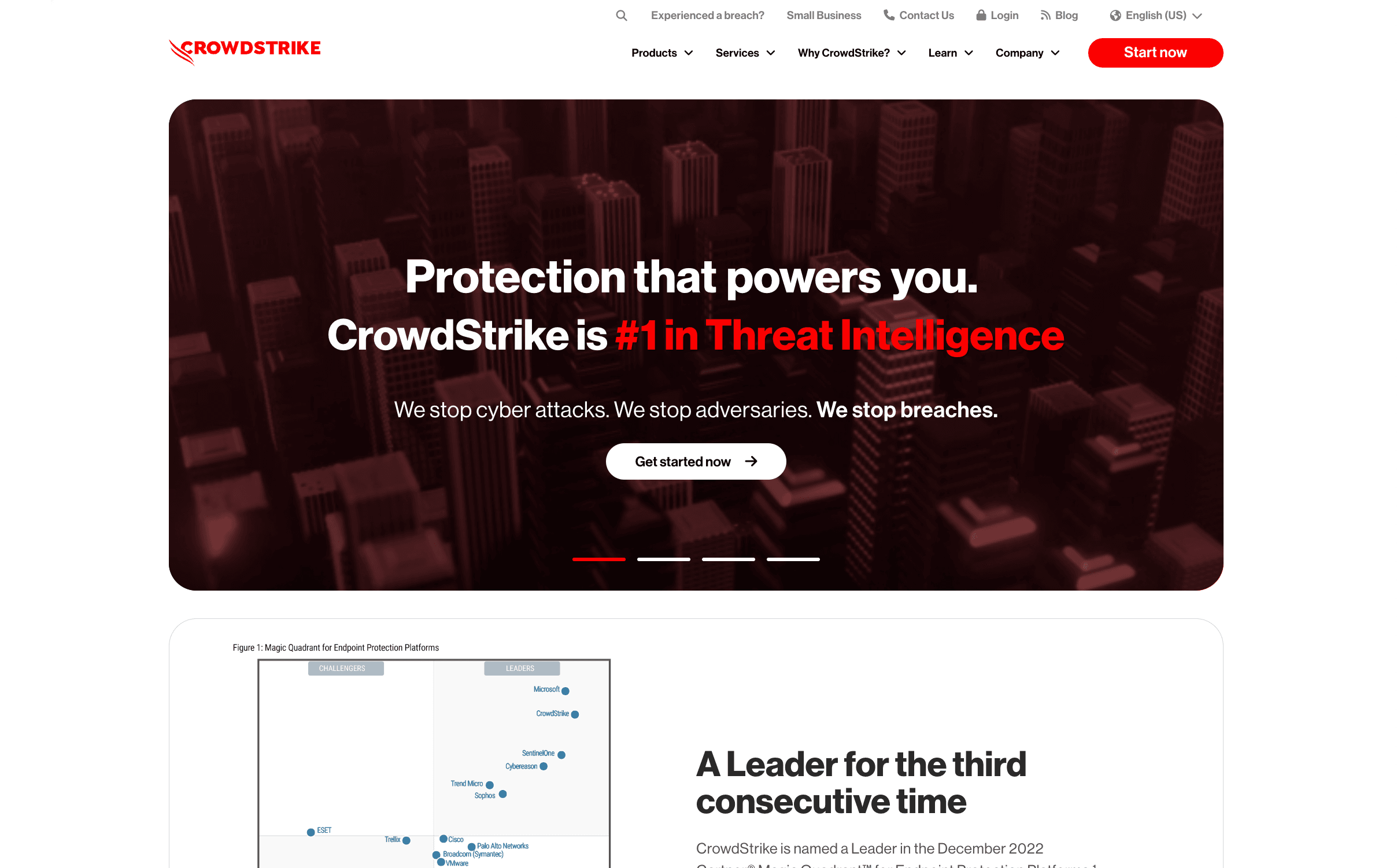
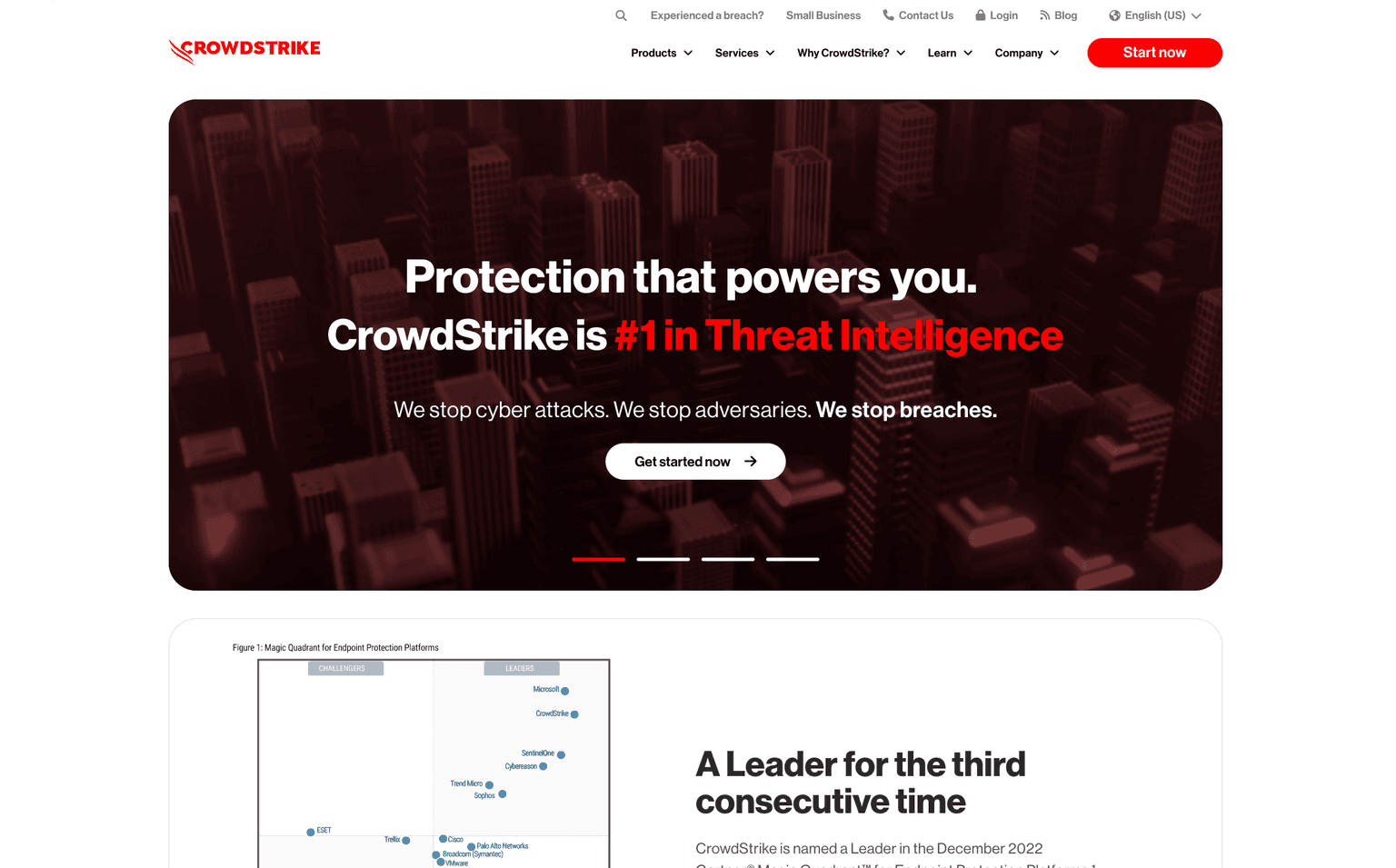
CrowdStrike is the most-deployed EDR/XDR platform among Fortune 500 security teams. Falcon's AI models benefit from one of the largest threat-intelligence datasets in the industry — every detection at every customer feeds back into the model that protects every other customer. Charlotte AI, the generative-AI security analyst released in 2024–2025, brings natural-language threat investigation to SOC analysts at every skill level.
What it wins at: Fortune 500 deployments, the broadest threat-intel network in the EDR category, MDR (managed detection and response) services that sit on top of Falcon for teams without 24/7 SOC capacity, and Charlotte AI bringing senior-analyst-quality investigation to junior analysts.
Where it falls down: the 2024 outage that affected 8.5M Windows systems is still in procurement-team memory. Pricing reflects the enterprise-leader positioning. For SMB and mid-market, dedicated SMB tools are often a better fit.
2. SentinelOne — Autonomous Endpoint With Purple AI
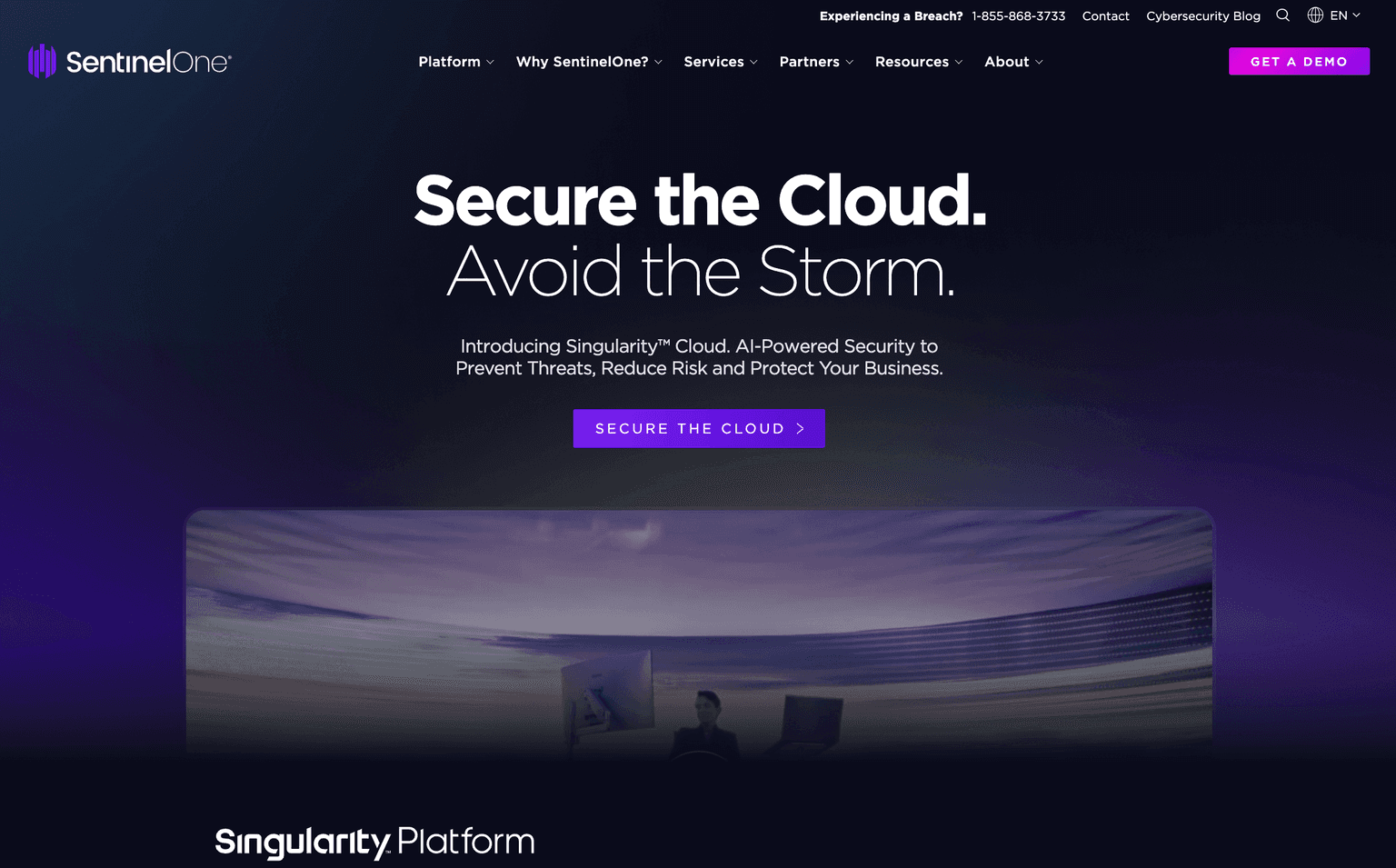
SentinelOne takes a different philosophy from CrowdStrike: AI that acts autonomously rather than alerts and waits for human response. Block, isolate, roll back — automatically, when the AI is confident enough. Purple AI (the generative-AI security analyst, comparable to Charlotte) accelerates investigation and threat hunting. Public company ($S) with a Fortune 100 customer footprint that's been growing fast.
What it wins at: security teams wanting autonomous action over alert-and-wait posture, fast time-to-containment on real attacks, and Purple AI for natural-language threat hunting alongside the autonomous EDR.
Where it falls down: autonomous action requires confidence in the AI's decisions — false positives that trigger isolation can be operationally costly. Best for orgs comfortable with the autonomous-action philosophy and the operational discipline to tune it.
Network Detection and Response
NDR catches threats that endpoint-only tools miss — lateral movement, insider threats, encrypted-traffic anomalies. AI is core to this lane because signature-based detection on network traffic plateaued years ago.
3. Darktrace — Self-Learning AI for Network Behavior
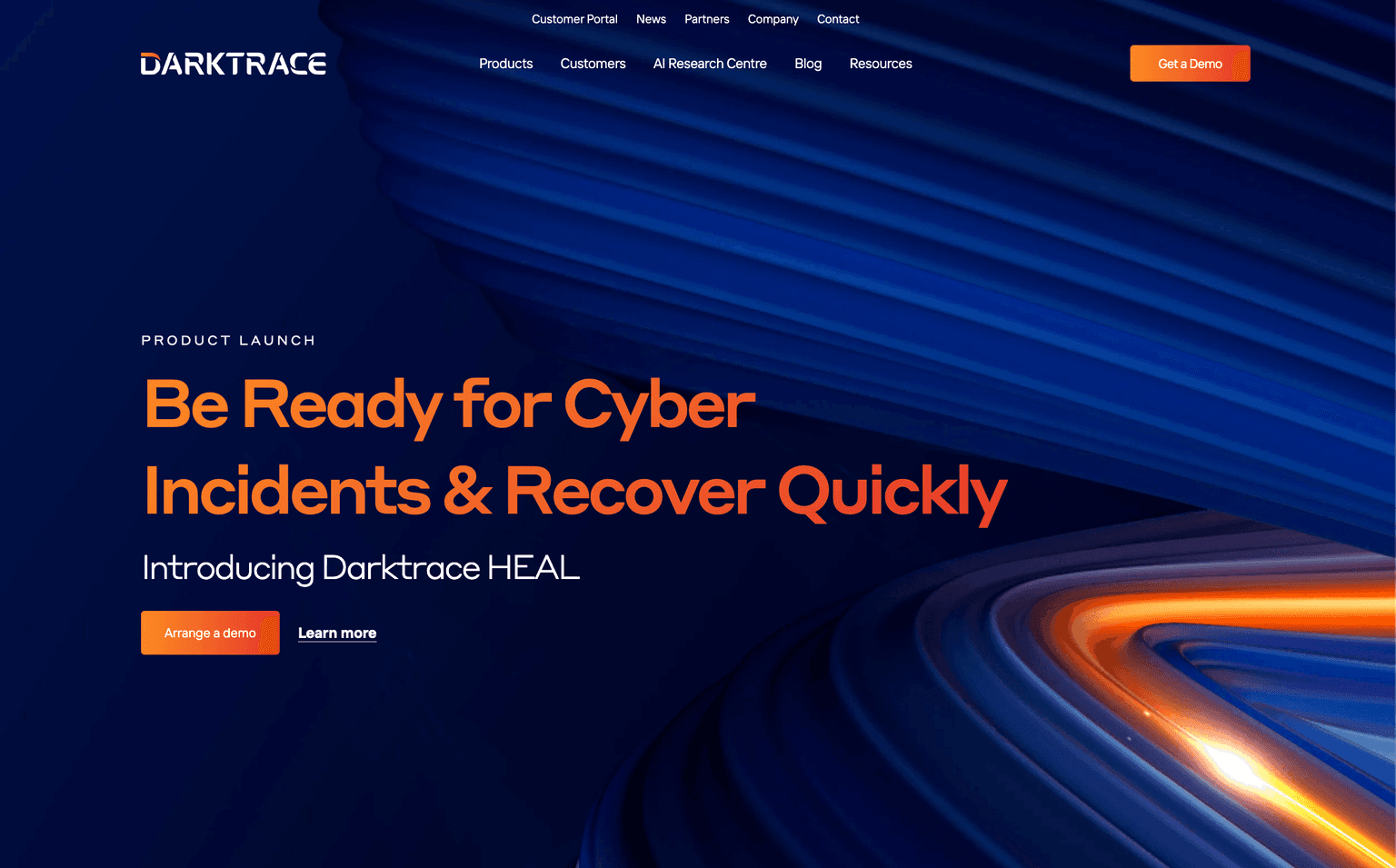
Darktrace was the first vendor to ship self-learning AI for network anomaly detection at scale and remains a category leader. The Enterprise Immune System learns each network's normal baseline (devices, traffic patterns, protocols) and flags deviations — useful for novel attacks where signature-based tools have nothing to match against. The Cyber AI Analyst layer investigates alerts the way a senior SOC analyst would.
What it wins at: networks that don't fit signature-based detection well (industrial, OT, healthcare, custom protocols), zero-day-ish detection where novelty is the threat signal, and the self-learning approach that adapts as the network changes.
Where it falls down: alert tuning in the first 6 months is real work. False-positive volume on day one is high; expect a 60-90 day calibration period before signal-to-noise stabilizes.
4. Vectra AI — Attacker-Behavior Detection
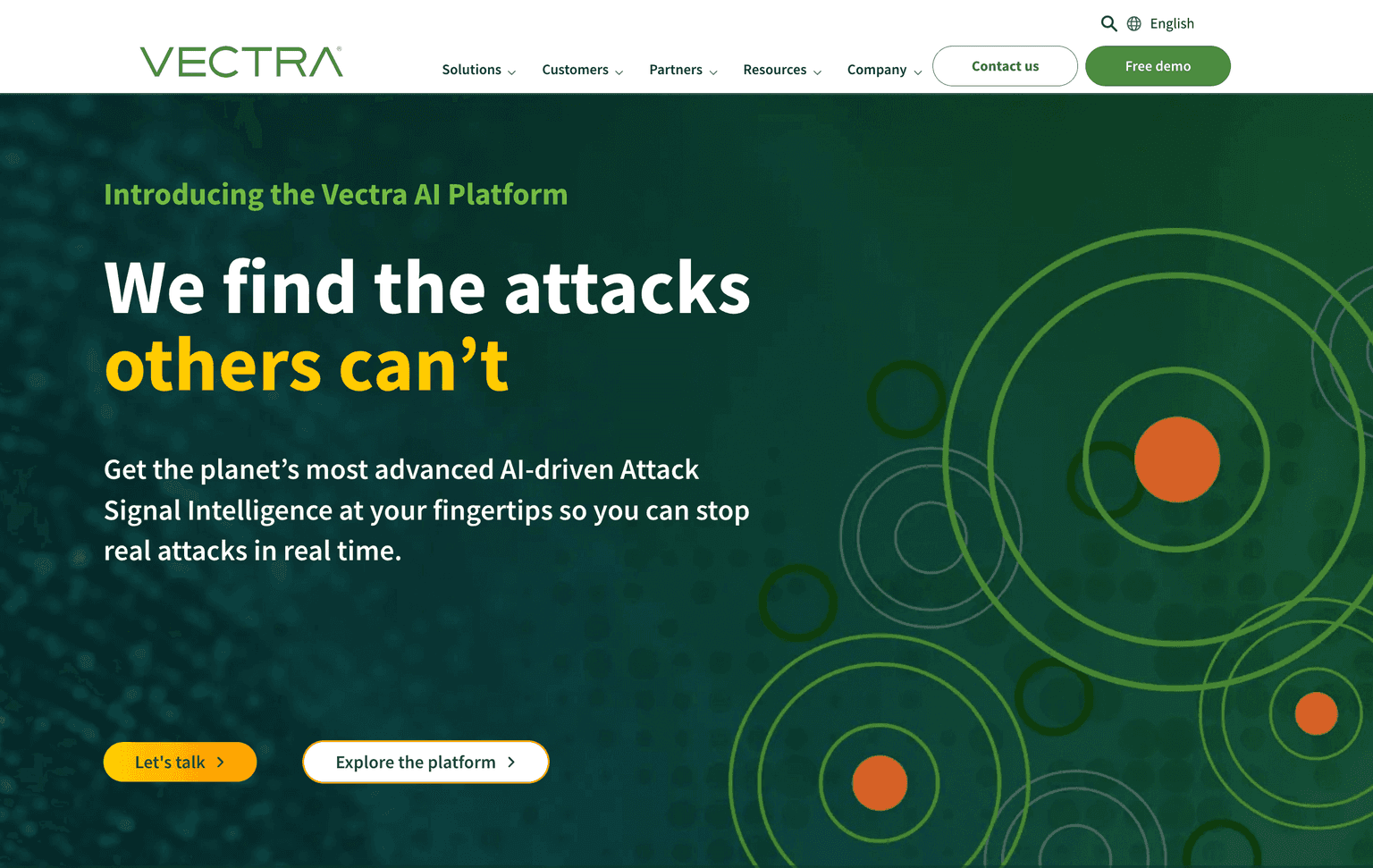
Vectra AI takes a different angle from Darktrace's anomaly approach — instead of "this looks abnormal," Vectra detects specific attacker behaviors (credential abuse, lateral movement, data exfiltration patterns) using AI trained on real attack telemetry. Result: lower false-positive rates than pure-anomaly approaches, at the cost of missing genuinely novel attacks that don't match known behavior patterns.
What it wins at: SOCs that prioritize signal over novelty (the alerts that fire are usually real), insider threat and account takeover detection specifically, and integration with existing SIEM and XDR stacks.
Where it falls down: for genuinely novel attacks that don't match attacker-behavior patterns, Darktrace's anomaly approach may catch what Vectra misses. Best run alongside an EDR platform for full coverage.
Email Security
The single most-impactful 2024–2026 shift in cybersecurity AI: email attacks went from "obvious typos and bad grammar" to "AI-generated phishing indistinguishable from legitimate executive emails." Signature-based email filters can't keep up; AI-powered email security has moved from nice-to-have to required.
5. Abnormal Security — AI Against AI-Generated Phishing
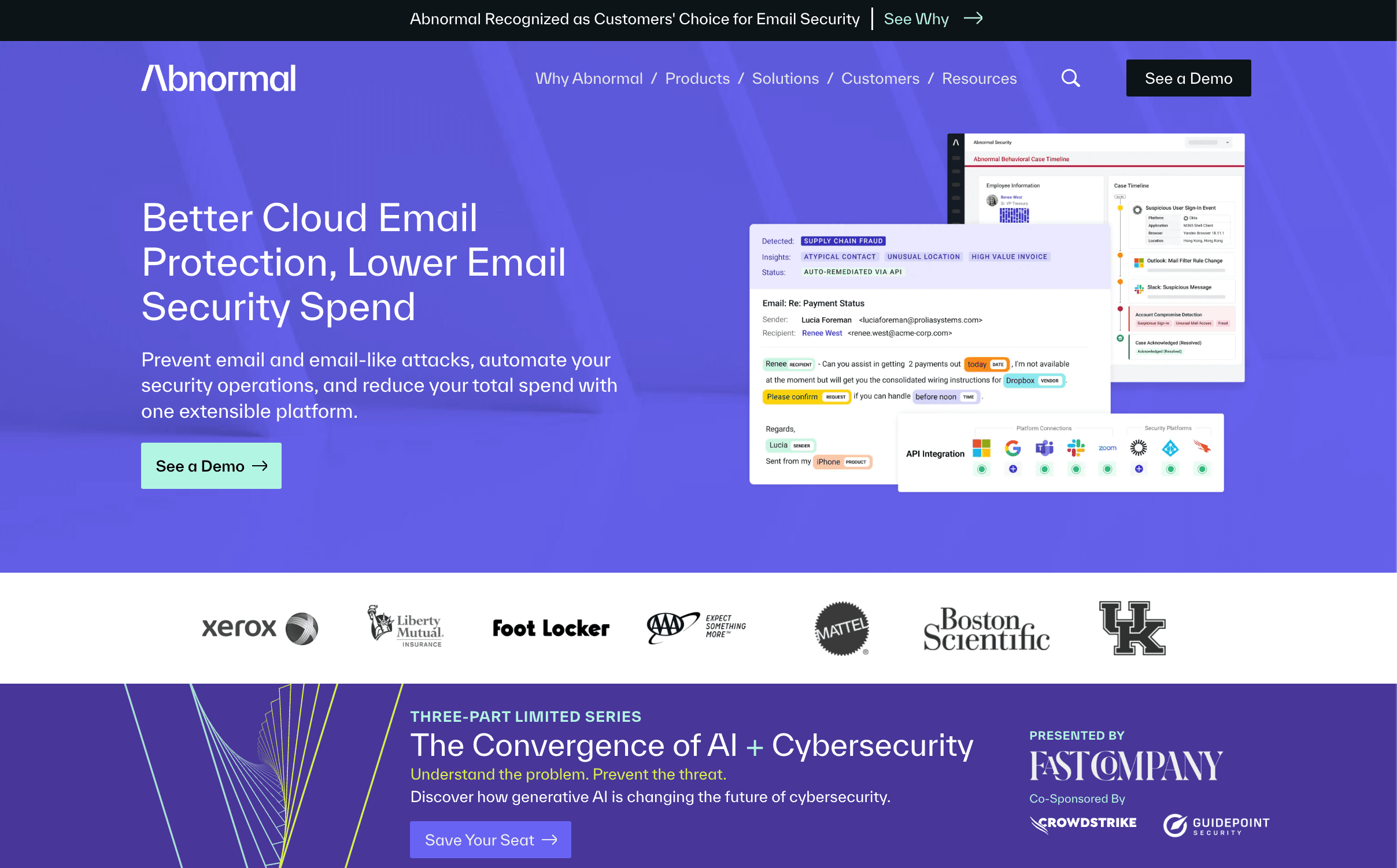
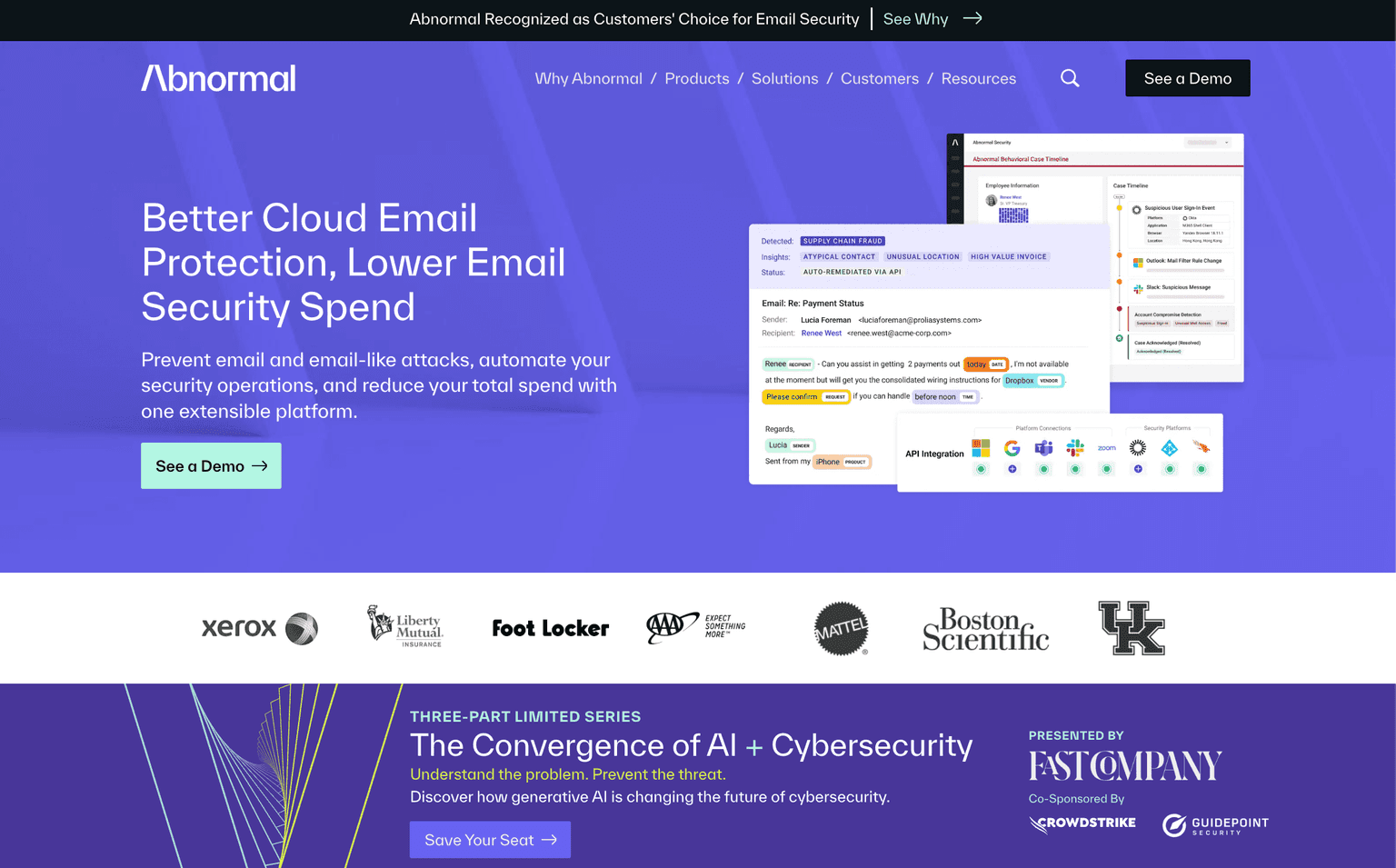
Abnormal Security is the leading AI-powered email security platform, particularly strong against business email compromise (BEC), executive impersonation, and AI-generated phishing campaigns that pass legacy filters. The product builds behavioral models of every employee's normal email patterns — sender, recipient, language, timing — and flags deviations that suggest compromised accounts or impersonation.
What it wins at: BEC and executive impersonation detection specifically, AI-generated phishing where signature-based filters fail, and the API-based architecture that layers on top of Microsoft 365 / Google Workspace without disrupting existing email flow.
Where it falls down: for low-sophistication spam and broad-net phishing, the existing M365/Workspace filters handle most of it. Abnormal's value is concentrated on the targeted-attack tail; for orgs not seeing material BEC volume, the spend is hard to justify.
Threat Intelligence and SOAR
This lane is the operational layer underneath everything else — ingesting threat-intel feeds, correlating indicators across tools, and automating response playbooks. The leaders below differ on whether they specialize in pure intel or combine intel with SOAR.
6. Anomali — Threat Intelligence at Scale
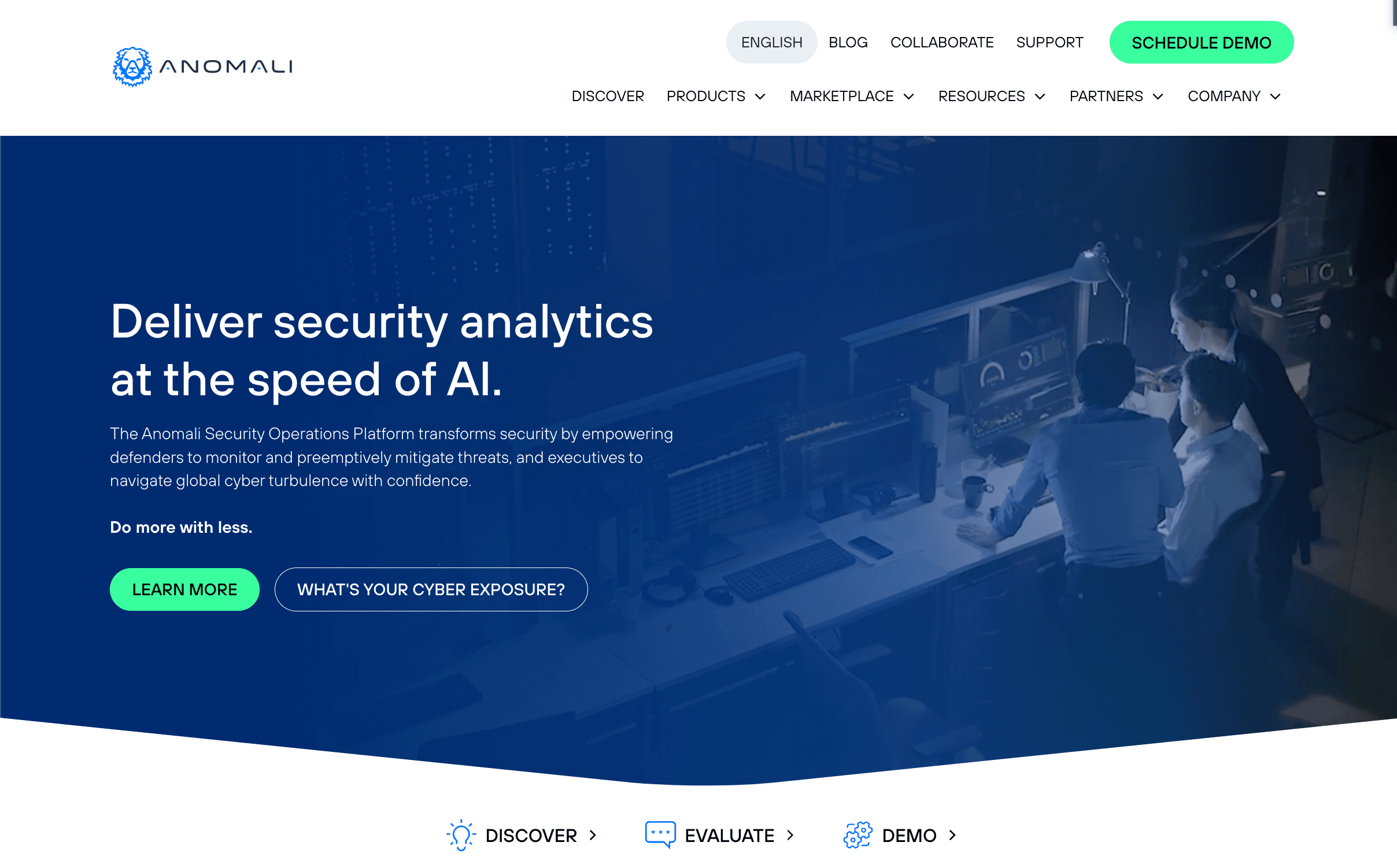
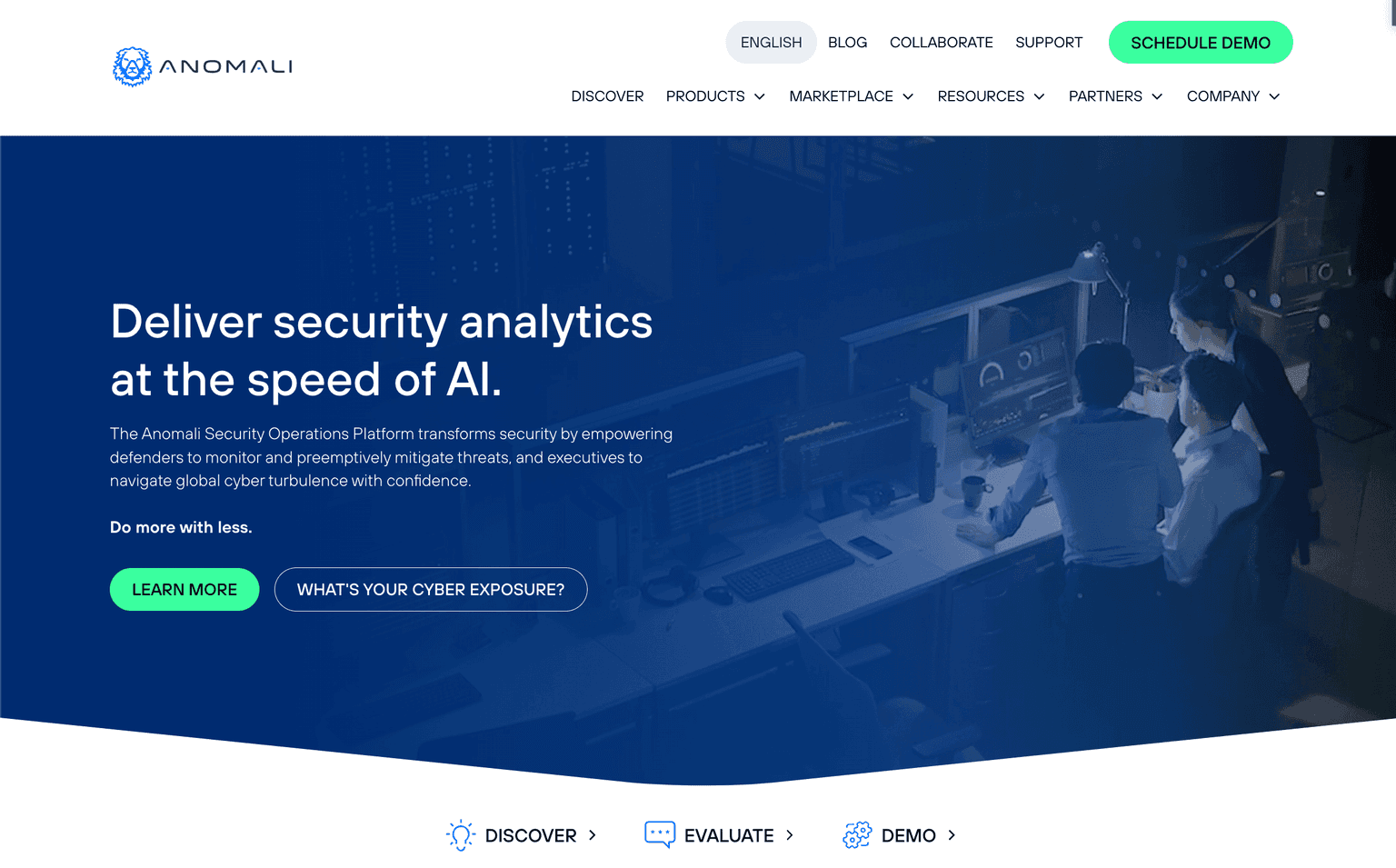
Anomali is the threat-intelligence specialist — ingesting commercial and open-source threat feeds, deduplicating indicators, scoring them for relevance, and operationalizing them into detection and response workflows. The 2024–2025 generative-AI additions added natural-language threat investigation alongside the existing intel-platform capabilities.
What it wins at: mature SOC programs running ISAC feeds + commercial intel + open-source feeds and needing one platform to operationalize them, threat-hunting workflows where intel context drives the investigation, and integration with SIEM and XDR for automated detection-rule generation.
Where it falls down: without a SOC operating at the maturity to consume threat intel meaningfully, Anomali is over-engineered. Best for organizations with at least a Tier 2 SOC, not for SMB defense.
7. Cyware — Threat Intel + SOAR Combined
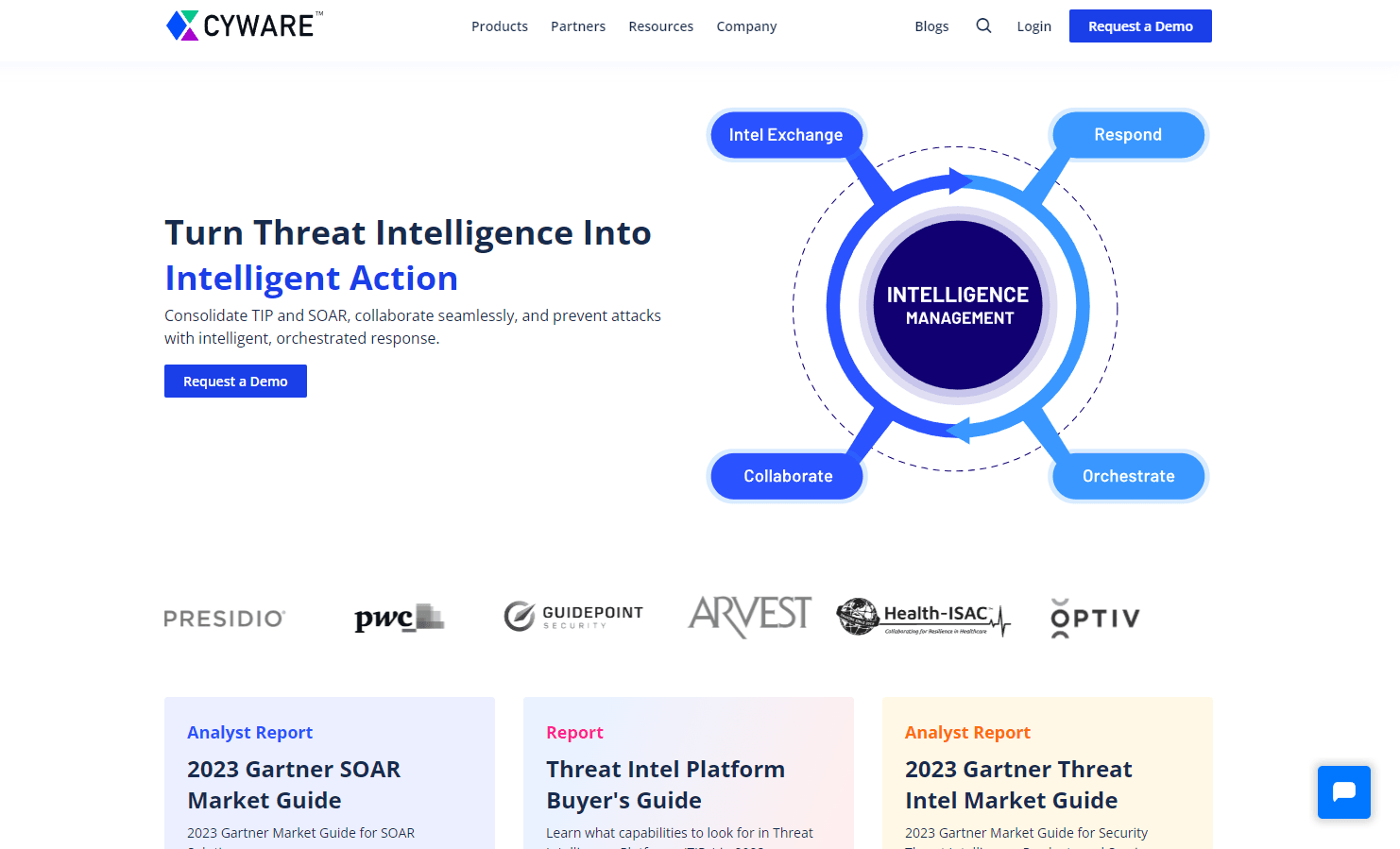
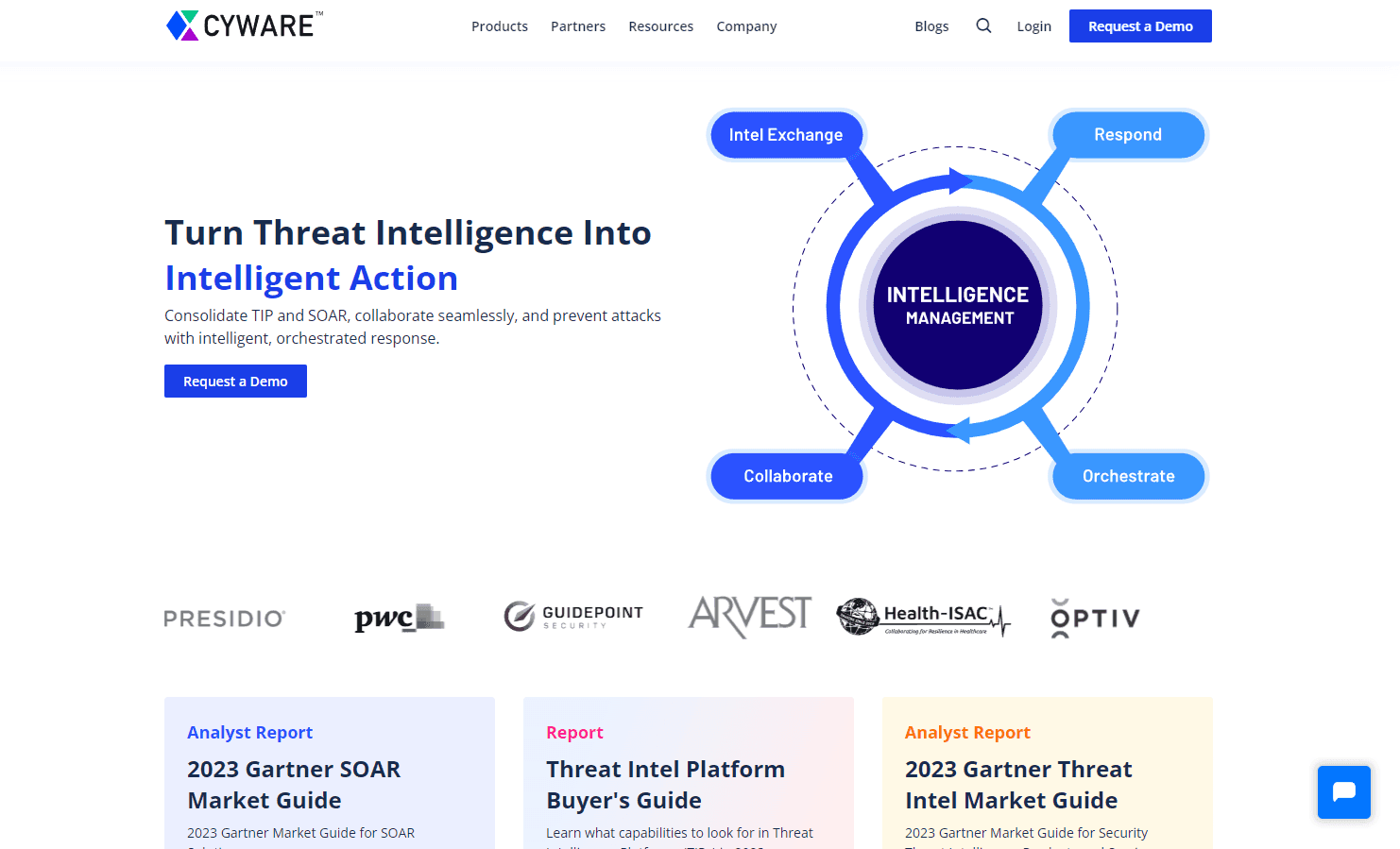
Cyware bundles threat intel with security orchestration, automation, and response (SOAR) — meaning the intel feeds directly trigger automated playbooks rather than landing in an analyst's queue for manual triage. Particularly strong for ISAC and ISAO contexts where threat intel is shared across organizations and the platform handles the trust-and-translation layer.
What it wins at: SOCs wanting one platform across intel + automation, ISAC member organizations, and use cases where the intel-to-action latency matters (fast-moving threats where every minute of delay matters operationally).
Where it falls down: for orgs with mature SOAR investments already (Splunk SOAR, Palo Alto Cortex XSOAR), the integrated bundling is less compelling. Best for greenfield SOAR deployments.
How to Build Your 2026 AI Cybersecurity Stack
Match the tools to the actual security maturity:
- Mid-market enterprise (Tier 1-2 SOC): CrowdStrike or SentinelOne for EDR + Abnormal Security for email + a SIEM for correlation. Add NDR (Vectra or Darktrace) once endpoint coverage is solid.
- Fortune 500 (mature SOC): the full stack — CrowdStrike + Darktrace or Vectra + Abnormal + Anomali (intel) + dedicated SOAR. Most Fortune 500 security programs run all of these in some combination.
- Regulated industries (financial services, healthcare): add network-anomaly detection (Darktrace) earlier in the stack because regulatory frameworks reward defense-in-depth posture.
- SMB: Microsoft Defender suite + Abnormal Security covers most of the value at a fraction of the enterprise stack cost. Add MDR (managed detection and response) services rather than running a SOC.
The single highest-ROI 2026 addition for organizations not yet using AI security: Abnormal Security, because BEC volume has scaled with AI-generated phishing and the financial loss per successful BEC ($50K–$5M) easily pays back the platform cost.
For adjacent reading, see our Best AI Tools for Operations (Dynatrace and the AIOps lane), Best AI Tools for Finance and Accounting for FinOps automation, and Best AI Customer Support Tools for the customer-trust angle of security incidents.
Frequently Asked Questions
Is AI replacing human security analysts? Replacing the volume of repetitive triage work, not the analysts themselves. In 2026, AI handles the alert prioritization, routine investigation, and playbook execution that consumed Tier 1 analyst time. Analysts shift toward complex investigations, threat hunting, and the judgment-heavy work AI can't yet handle. Most SOCs see headcount stable but coverage expanded.
How is AI being used to attack systems in 2026? Three main vectors growing fast: (1) AI-generated phishing emails that pass legacy filters because they don't have the typos and language tells legacy filters trained on; (2) AI-generated malware variants that evade signature-based detection by rewriting themselves at compile time; (3) AI-augmented social engineering using deepfake voice and video. Defenders need AI-powered detection to keep up.
What's the difference between EDR, XDR, and NDR? EDR (Endpoint Detection and Response) watches individual computers and servers. NDR (Network Detection and Response) watches traffic between them. XDR (Extended Detection and Response) is a marketing term for platforms that combine multiple sources (endpoint + network + email + cloud) into one correlated view. Most enterprise stacks need at least EDR + NDR; XDR is convenient when one vendor covers both well.
Are AI cybersecurity tools enough on their own? No. AI is one layer in a defense-in-depth posture. Identity and access management, network segmentation, vulnerability management, employee training, incident response planning — all still required. AI accelerates detection and response inside that broader posture; it doesn't replace the foundational security hygiene.
What about regulatory compliance? The major AI cybersecurity tools support common compliance frameworks (SOC 2, ISO 27001, PCI DSS, HIPAA, FedRAMP). Regulated industries (financial services, healthcare, government) should validate specific compliance certifications during procurement — particularly FedRAMP for government, which is non-trivial to obtain. Compliance automation platforms (Vanta, Drata, Secureframe) sit alongside but are a different category.
How long does AI cybersecurity deployment take? EDR (CrowdStrike, SentinelOne): 1-4 weeks for endpoint rollout. NDR (Darktrace, Vectra): 2-8 weeks including the 4-6 week behavioral-baseline learning period. Email security (Abnormal): 1-2 weeks (API-based, no MX-record changes). Threat intel (Anomali, Cyware): 4-12 weeks for full operationalization with detection-rule integration.
Can these tools be evaded by AI-powered attackers? It's an arms race. Defenders use AI to detect; attackers use AI to evade. The advantage in 2026 sits with defenders because the leading platforms have orders of magnitude more telemetry than any single attacker, and threat intel sharing (via ISACs) means a detection at one customer protects every customer. But the gap is narrowing; expect continuous updates rather than steady-state security.
Final Thoughts
AI cybersecurity in 2026 has graduated from a marketing claim into operational infrastructure. The leaders in each lane have published telemetry showing real attack-stoppage at scale, and the operational discipline of running them well is now as important as picking the right one.
For security leaders not yet using AI cybersecurity tools, Abnormal Security plus an EDR upgrade (CrowdStrike or SentinelOne) is the highest-ROI 2026 starting point. BEC volume alone justifies Abnormal at most enterprises; modern EDR is increasingly table-stakes. Add NDR and threat-intel platforms once those two are running well — building the stack one layer at a time produces better operational outcomes than buying everything at once.
Categories these tools span
More collections you may also like

Sign up for our newsletter
Receive weekly updates so you can stay up-to-date with the world of AI
Sign up for our newsletter
Receive weekly updates so you can stay up-to-date with the world of AI