
Contextual AI
Customizable and scalable contextual language models for enterprise use.

Acquired Contextual AI
Acquired · May 2026
Still operating. Contextual AI, the enterprise RAG company co-founded by Douwe Kiela, signed a deal reported on May 19, 2026 under which Google DeepMind licensed its technology on non-exclusive terms and hired more than 20 researchers, including Kiela, for a reported $80-100 million. It was not a full acquisition, and the company continues.
Acquired by Google DeepMind (licence and hire).
Is Contextual AI shut down?
No — Contextual AI is still operating. Its acquisition by Google DeepMind (licence and hire) was announced on May 19, 2026, and the product continues to ship. We list it in the ToolDirectory.AI graveyard's acquired-but-operating section and watch for post-acquisition changes.
What to use instead

NotebookLM
Google's research notebook that turns your sources into audio overviews and mind maps.
Freemium
4.93
511
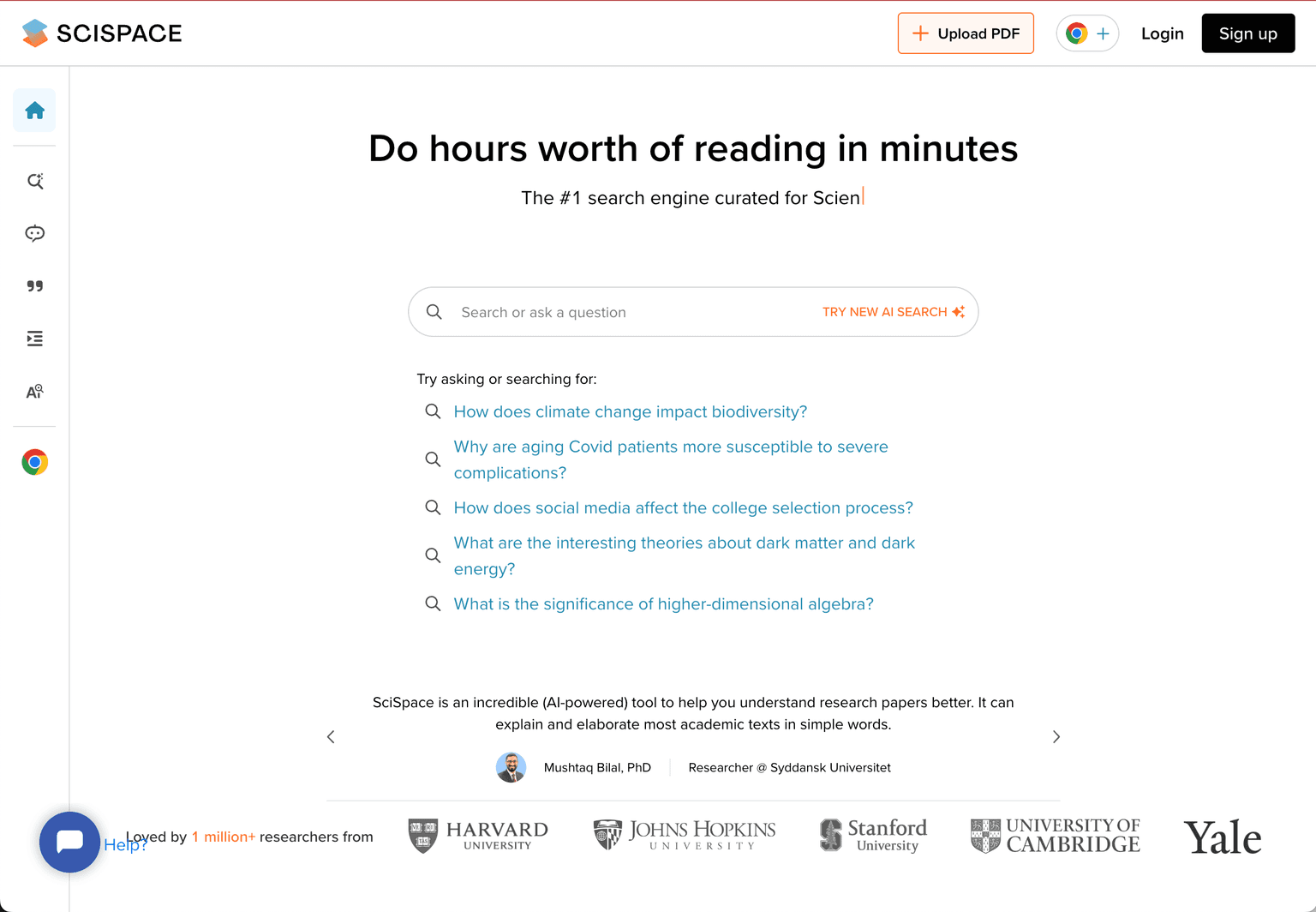

SciSpace
AI-powered tool for understanding research papers
Freemium
4.78
260
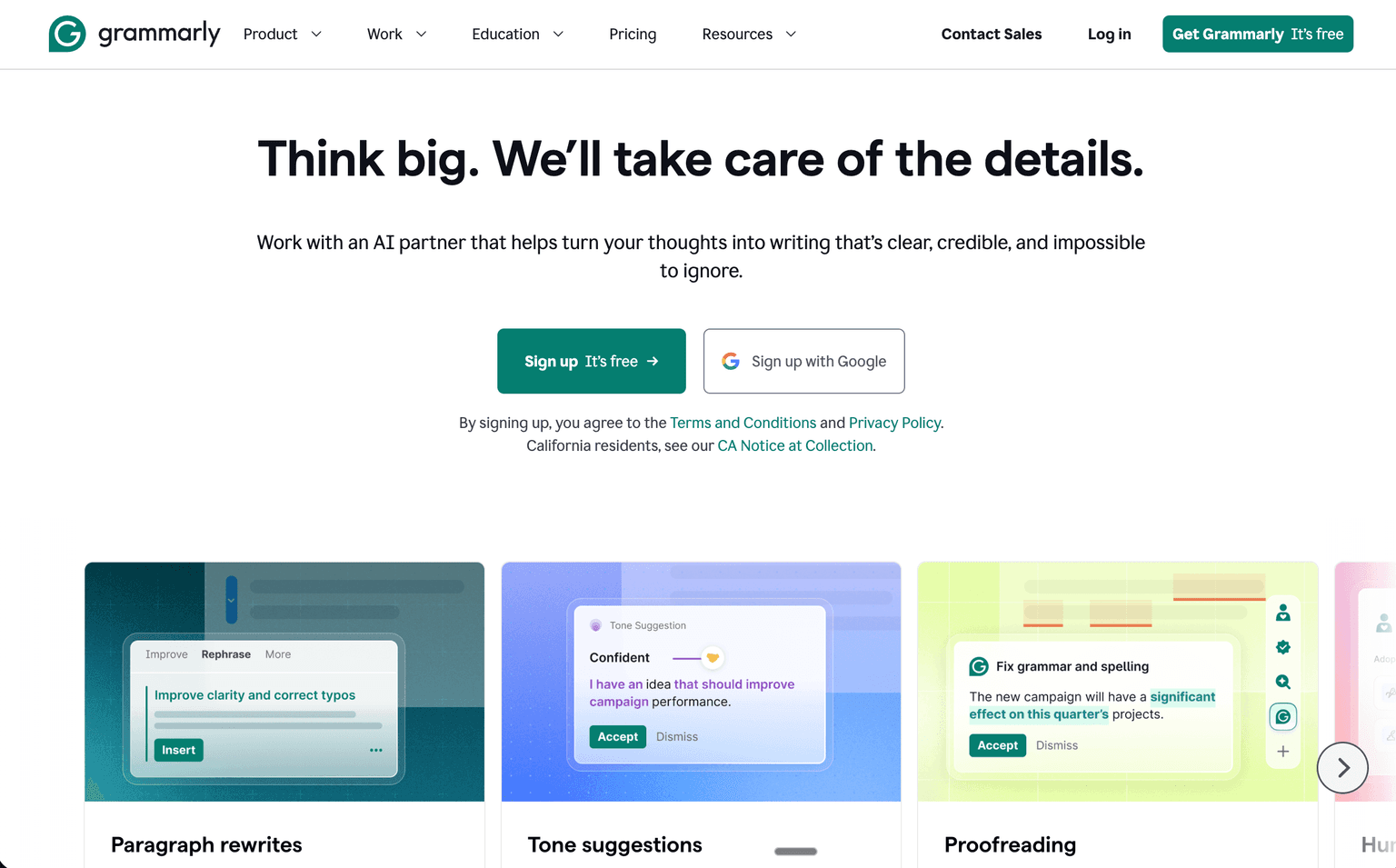

Grammarly
Writing assistant that fixes grammar, refines tone, and drafts text across browsers and apps.
Freemium
4.92
487
Overview
Customizable and Scalable Contextual Language Models for Enterprise Use
Contextual AI offers a revolutionary approach to language models, designed to be highly customizable, scalable, and reliable, while ensuring data privacy. Their models are tailored to meet specific enterprise needs, making them suitable for various applications such as financial research and customer engineering. Contextual AI's unique methodology, known as RAG 2.0, integrates pre-training, fine-tuning, and alignment to create production-grade AI systems that continuously improve with user feedback.
Contextual AI stands out by offering a comprehensive, end-to-end optimized system that enhances both retrieval and generation capabilities. Their cutting-edge fine-tuning techniques ensure that models are specialized to your data and business guidelines, providing precise and valuable outputs. Additionally, their efficient alignment mechanisms allow for rapid incorporation of user feedback, ensuring the model evolves and improves over time.
Deal note (May 2026): Google DeepMind licensed Contextual AI's technology on non-exclusive terms and hired more than 20 of its researchers, including CEO Douwe Kiela, in a deal reported on May 19, 2026 at $80-100 million. It is a licence-and-hire arrangement, not a full acquisition, and Contextual AI continues to operate.
Key Features:
- Contextual Language Models: Pre-trained to optimize retrieval and generation for accurate answers.
- Effective Specialization: Fine-tuning techniques customize models to your data and guidelines.
- Efficient Alignment: Lightweight mechanisms for continuous improvement with user feedback.
- End-to-End Optimization: Integrated system achieving production-level performance.
- Data Privacy: Ensures your data is secure and never used for external model training.
- Enterprise Focus: Suitable for applications like financial research and customer engineering.
Ideal Use Case:
-
Contextual AI is ideal for enterprises looking to integrate advanced language models into their workflows. It is particularly beneficial for:
-
Financial Institutions: Enhancing research capabilities with accurate and specialized language models.
-
Customer Service Departments: Improving customer interactions with precise and context-aware responses.
-
Research Organizations: Leveraging customized models for detailed and specific data analysis.
-
Tech Companies: Integrating advanced AI systems into existing technology stacks for enhanced performance.
Why use Contextual AI:
- Customization: Tailored models that fit your specific data and business needs.
- Scalability: Efficiently scalable to handle large volumes of data and queries.
- Reliability: High accuracy and reliability in producing relevant outputs.
- Continuous Improvement: Models that evolve and improve with user interactions.
- Data Security: Strong focus on data privacy and security.
- Enterprise Integration: Designed to integrate seamlessly with enterprise workflows.
tl;dr:
Contextual AI provides customizable and scalable language models tailored for enterprise use, ensuring high accuracy, reliability, and data security while continuously improving through user feedback.
FAQ
Did Google acquire Contextual AI? Not outright. In May 2026 Google DeepMind licensed Contextual AI's technology and hired more than 20 researchers, including CEO Douwe Kiela. The company itself was not bought and continues to operate.
Q: What does Contextual AI do? A: Customizable and scalable contextual language models for enterprise use.
Q: How is Contextual AI priced? A: Pricing varies by plan. Visit the Contextual AI pricing page for current tiers and details.
Q: What is Contextual AI best for? A: Contextual AI helps students and educators study, build courses, and improve learning outcomes with AI.
Q: What are alternatives to Contextual AI? A: Top alternatives to Contextual AI include NotebookLM, Sana Labs, and GPTZero . Browse the directory for full feature comparisons across these tools.
Related
Looking for more options? Browse the Education & Learning directory or read our best AI education tools listicle. Contextual AI is also tracked on Crunchbase.
Why Use Contextual AI
