
Altair
AI, simulation, and HPC platform from Altair (now part of Siemens). RapidMiner data science plus structural, fluid, and electromagnetic simulation in one s
Acquired Altair
Acquired · March 2025
Altair Engineering was acquired by Siemens for $10.6B (deal closed March 2025) and folded into Siemens Digital Industries. Its simulation, HPC, and AI-driven design tools continue to ship under the Siemens Altair brand.
Acquired by Siemens.
Is Altair shut down?
No — Altair is still operating. Its acquisition by Siemens was announced on March 26, 2025, and the product continues to ship. We list it in the ToolDirectory.AI graveyard's acquired-but-operating section and watch for post-acquisition changes.
What to use instead

Figure
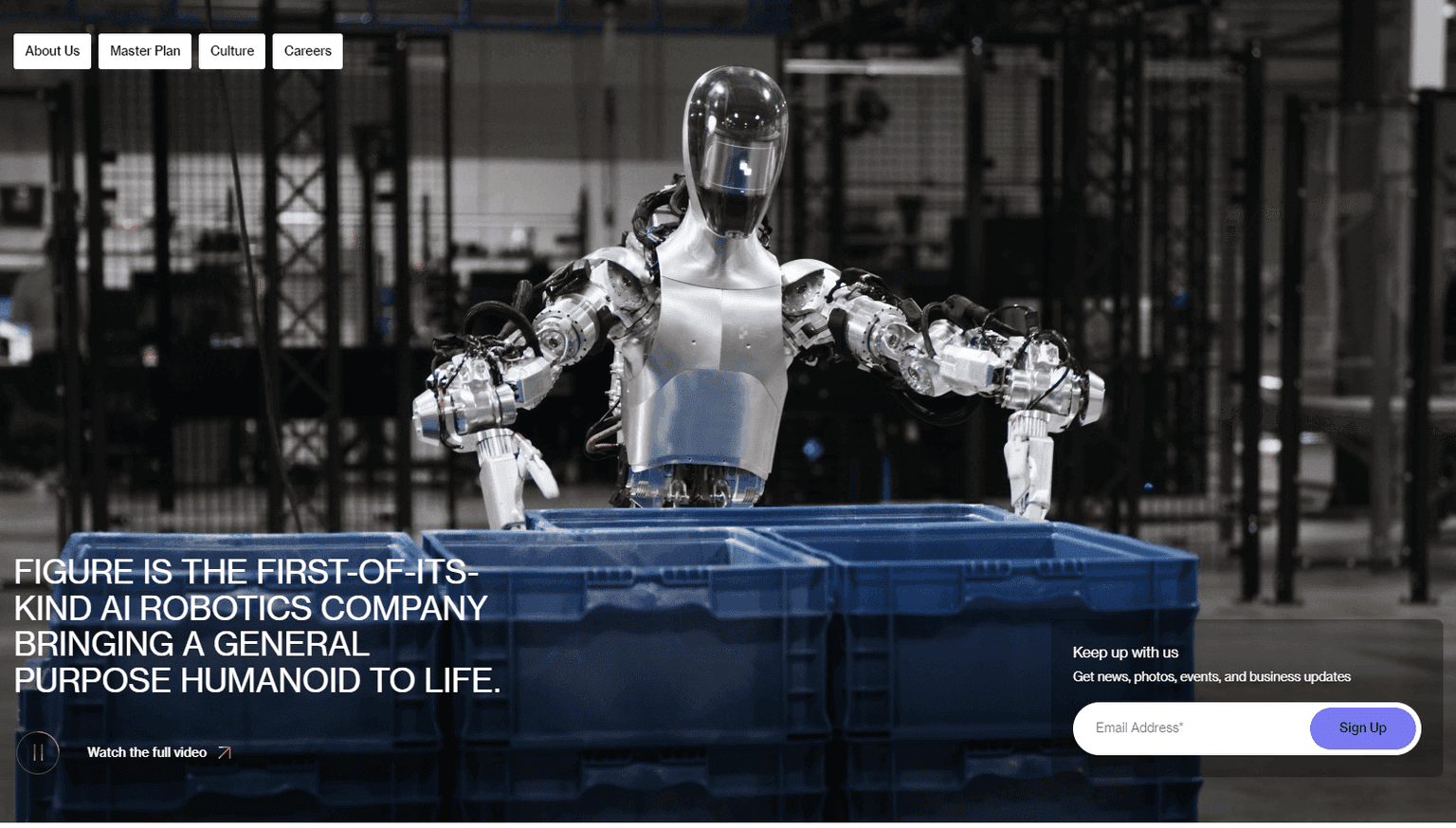
AI developing autonomous humanoid robots for various industries.
Paid - Inquire
4.62
151

Anduril Industries
Anduril builds AI-powered autonomous defense systems including Lattice OS, Ghost drone, Sentry tower, and Roadrunner. Founded by Palmer Luckey; $30B+ valua
Paid - Paid
4.92
493


Helsing
Helsing is the European AI defense company — Lattice OS competitor for European militaries. $487M Series C at $5.4B valuation; Spotify's Daniel Ek invested
Paid - Paid
4.92
398
Overview
Altair: AI, Simulation, and HPC for Engineering
Altair is Simulation, AI, and HPC platform — acquired by Siemens in 2024. Altair was the rare 'engineering software + data science' combination even before the Siemens acquisition. That dual identity is now a strategic asset inside Siemens, where simulation finally meets the operations data layer.
Key Features
- Simulation, AI, and HPC platform — acquired by Siemens in 2024
- Owns RapidMiner data science and Altair HyperWorks simulation
- AI for design exploration, generative design, and predictive maintenance
- Used across automotive, aerospace, and electronics
- Now part of Siemens Digital Industries Software
Ideal Use Case
Engineering and data science teams in product development — automotive, aerospace, electronics — combining simulation, ML, and HPC under one license stack.
Why Use Altair
Altair was the rare 'engineering software + data science' combination even before the Siemens acquisition. That dual identity is now a strategic asset inside Siemens, where simulation finally meets the operations data layer.
FAQ
What does Altair do? Altair is an AI, simulation, and HPC platform that combines data science capabilities with structural, fluid, and electromagnetic simulation tools in a single environment. It's designed to help engineers and data scientists tackle complex modeling and analysis problems.
Who should use Altair? Altair is built for engineers, data scientists, and organizations that need to perform advanced simulations alongside AI and machine learning work. It's particularly suited for teams working on structural analysis, fluid dynamics, electromagnetic modeling, and related computational challenges.
What is the pricing model for Altair? Altair operates on a freemium model, so you can get started at no cost. For detailed information about current plans and premium features, visit the Altair pricing page.
How does Altair compare to other AI platforms? Altair differentiates itself by integrating simulation and HPC capabilities with AI infrastructure, whereas alternatives like Grok, fal.ai, and Vercel AI SDK focus primarily on AI model deployment and inference. This makes Altair especially valuable if you need both advanced simulation and machine learning in one platform.
tl;dr
AI, simulation, and HPC platform. Now part of Siemens. RapidMiner + HyperWorks.
More Details
- RapidMiner data science platform for visual ML pipelines
- HyperWorks simulation suite — structural, fluid, electromagnetic
- Generative design and topology optimization for product development
Additional FAQ
Q: Owner? A: Acquired by Siemens in 2024 (~$10B) — now part of Siemens DI Software.
Q: Industries? A: Automotive, aerospace, electronics, energy, life sciences.
Related
Looking for more options? Browse the AI Infrastructure directory or read our best AI infrastructure tools listicle. Altair is also tracked on Crunchbase.
Why Use Altair
Editorial Review
Our take on Altair.

Enterprise simulation platform that bundles AI, structural analysis, and HPC—ambitious scope, steep learning curve.
What works
- Integrated simulation + AI in one ecosystem reduces tool-switching overhead
- Strong community signal (4.92 rating) from users who've committed long-term
- Well-suited for complex multi-physics engineering workflows at scale
What doesn't
- Steep onboarding and expertise barrier; not exploration-friendly
- Broad scope means less polish in any single domain versus point solutions
Altair (now Siemens-owned) is aiming to be a one-stop shop for engineers and data scientists: you get generative AI and RapidMiner for data work alongside structural, fluid, and electromagnetic solvers. That's a lot under one roof. The appeal is clear if you're already doing heavy simulation work and want to layer in modern AI without context-switching. But that breadth comes with friction. The platform feels built for teams with serious CAE experience and budgets to match. Setup and onboarding aren't lightweight—this isn't a tool you'll explore casually over a weekend. The community gives it strong marks (4.92), which suggests people who commit to it find value, especially in automotive, aerospace, or manufacturing contexts where you're already running multi-physics simulations. Where it gets murky: the positioning tries to span from traditional CAE to cutting-edge generative AI, and those audiences don't always overlap. If you're a startup doing fluid dynamics research, you might find the AI tooling feels bolted-on. If you're an established firm running legacy simulation workflows, the AI components might feel like solutions looking for a problem. Neither camp is wrong—it's just not a natural home for both.