
K-Scale Labs
K-Scale Labs builds open-source humanoid robotics — K-Bot full-size humanoid + sub-$1K developer kits. YC alum; democratizing humanoid R&D.

RIP K-Scale Labs
Shut down · November 2025
Open-source humanoid robotics startup that bet everything on the K-Bot launch. Shut down in November 2025 after a failed raise and an abortive sale to 1X — pre-orders were refunded and all hardware and software IP was open-sourced.
Is K-Scale Labs shut down?
Yes. K-Scale Labs shut down in Nov 2025 and is no longer available. Its record is preserved in the ToolDirectory.AI graveyard, our hand-reviewed registry of AI tools that shut down or were acquired.
What to use instead


1X Technologies
1X Technologies builds humanoid robots for home and commercial use. NEO consumer humanoid in beta 2025; backed by OpenAI Startup Fund and EQT Ventures.
Paid - Paid
4.78
169
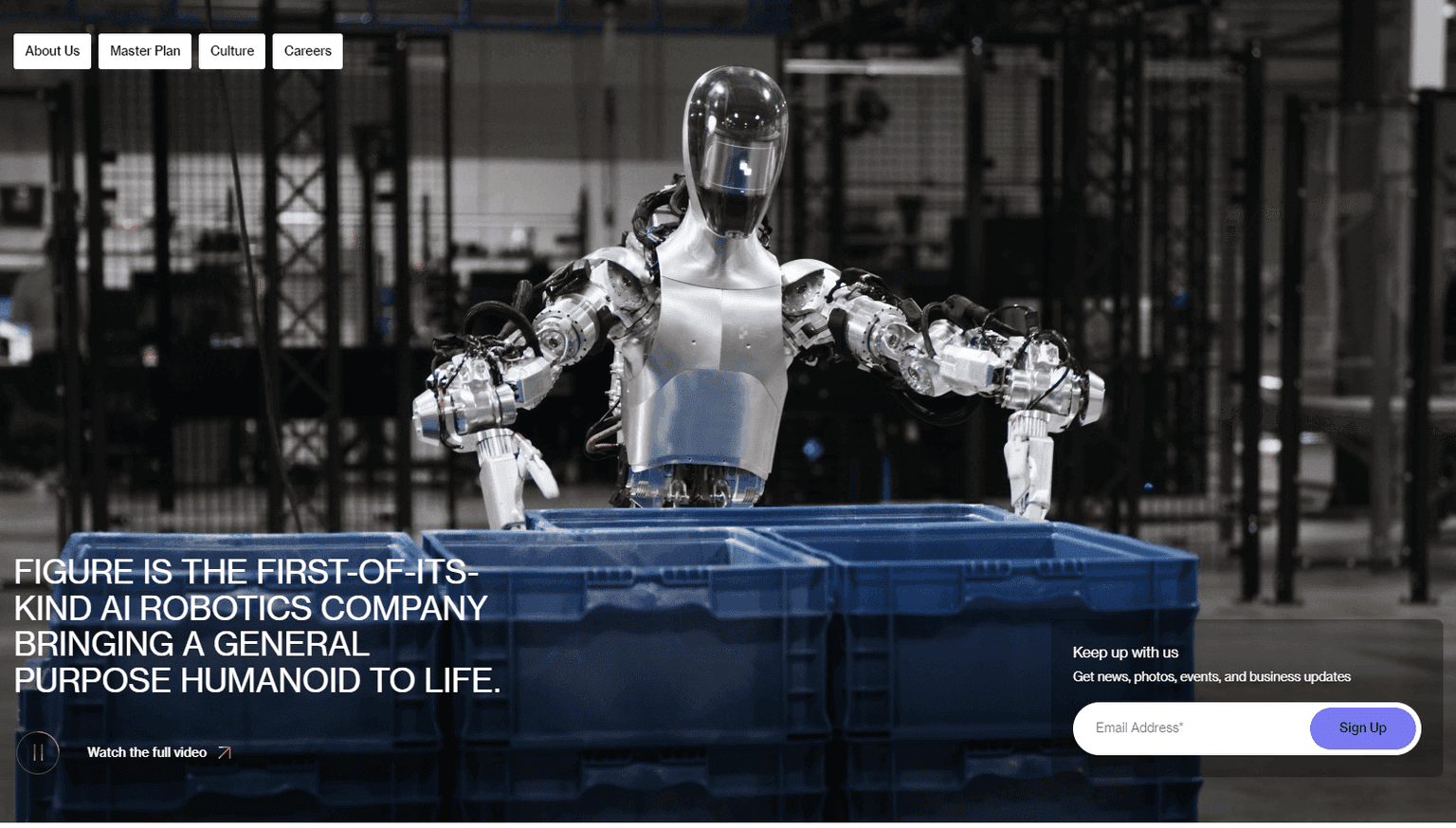

Figure
AI developing autonomous humanoid robots for various industries.
Paid - Inquire
4.62
151

Pickle Robot
Pickle Robot builds autonomous truck-unloading robots for warehouses. ~$30M Series A; backed by JS Capital and Schematic. Production deployments in major D
Paid - Paid
4.52
115
Overview
K-Scale Labs
K-Scale Labs is the open-source humanoid robotics company building K-Bot — a full-size humanoid robot with open hardware designs and reference software — plus sub-$1K developer kits aimed at the long tail of robotics researchers, students, and indie hardware engineers. K-Scale Labs is a Y Combinator alum and has positioned itself as the open-source counterweight to closed-source humanoid players like Figure, 1X, Tesla Optimus, and Apptronik.
Production credibility: Y Combinator S24 alum; founded 2024 by Ben Bolte (ex-Tesla, ex-Meta Reality Labs robotics). Released K-Bot full-size humanoid hardware designs under permissive license. Sub-$1K developer kits aimed at students, researchers, and indie hackers. Growing developer community around open hardware and shared reinforcement learning training pipelines.
Key Features
- K-Bot — full-size humanoid robot with open-source hardware designs
- Sub-$1K humanoid developer kits aimed at students and indie engineers
- Open-source reference software stack for locomotion and manipulation
- Founded 2024 by Ben Bolte (ex-Tesla robotics, ex-Meta Reality Labs)
- Y Combinator S24 alum
- Growing developer community around shared reinforcement learning training pipelines
- Positioned as open-source counterweight to closed-source humanoid players
Ideal Use Case
Robotics researchers, university labs, students, and indie hardware engineers who want to work on humanoid robotics without the $20K-$40K commercial price tag of Figure 02 or 1X NEO. Also serves teams building task-specific humanoids on top of K-Scale's reference designs.
How K-Scale Labs differentiates
Figure, 1X, Apptronik, and Tesla Optimus are closed-source humanoid platforms targeting consumer and enterprise customers at $20K-$40K+ price points. K-Scale Labs takes the opposite approach — open hardware designs, open software stack, and sub-$1K developer kits — explicitly serving the long tail of robotics researchers and students that closed platforms ignore. The trade-off is that K-Scale's product is less polished than Figure or 1X for end-consumer use. For the academic and indie robotics community, open hardware is the binding constraint and K-Scale's positioning is the differentiator.
FAQ
Q: What is K-Scale Labs? A: K-Scale Labs is an open-source humanoid robotics company building K-Bot (a full-size humanoid robot) and sub-$1K developer kits. Y Combinator S24 alum.
Q: Who founded K-Scale Labs? A: Ben Bolte (ex-Tesla robotics, ex-Meta Reality Labs) founded K-Scale Labs in 2024.
Q: K-Scale Labs vs Figure vs 1X vs Apptronik? A: Figure, 1X, and Apptronik are closed-source humanoid platforms at $20K-$40K+ targeting enterprise and consumers. K-Scale Labs is open-source hardware and software targeting researchers, students, and indie engineers with sub-$1K developer kits.
Q: Is K-Scale Labs hardware open source? A: Yes — K-Scale Labs releases K-Bot hardware designs under a permissive license. The software stack is also open-source.
Q: Where can I buy K-Scale Labs hardware? A: Developer kits and K-Bot are available through K-Scale Labs directly. Pricing tier-friendly to academic budgets compared to commercial humanoid platforms.
tl;dr
K-Scale Labs is the open-source humanoid robotics company — K-Bot full-size humanoid plus sub-$1K developer kits. Y Combinator S24 alum; founded by ex-Tesla, ex-Meta Reality Labs roboticist Ben Bolte. The open-source counterweight to Figure, 1X, Apptronik, and Tesla Optimus.
Related
Looking for more options? Browse the AI/ML Models directory or read our best AI models listicle. K-Scale Labs is also tracked on Crunchbase.
Why Use K-Scale Labs