Guardrails AI
Guardrails AI is an open-source framework and platform for validating LLM inputs and outputs and testing agent behaviour. Acquired by Harvey in 2026.
Acquired Guardrails AI
Acquired · September 2026
Still operating. Harvey, the legal AI company, announced on September 9, 2026 that it had acquired Guardrails AI on undisclosed terms, its fourth acquisition of 2026. Co-founders Shreya Rajpal and Zayd Simjee and their team joined Harvey's product and engineering organisation. The open-source Guardrails framework remains on GitHub under Apache-2.0 and is still being updated; the hosted Hub installer and free remote-inference servers were retired on August 25, 2026, with validators moved to public PyPI packages.
Acquired by Harvey.
Last known pricing: Open-source framework free (Apache-2.0); enterprise platform and Snowglobe sold on a talk-to-sales basis.
Is Guardrails AI shut down?
No — Guardrails AI is still operating. Its acquisition by Harvey was announced on September 9, 2026, and the product continues to ship. We list it in the ToolDirectory.AI graveyard's acquired-but-operating section and watch for post-acquisition changes.
What to use instead

Lakera
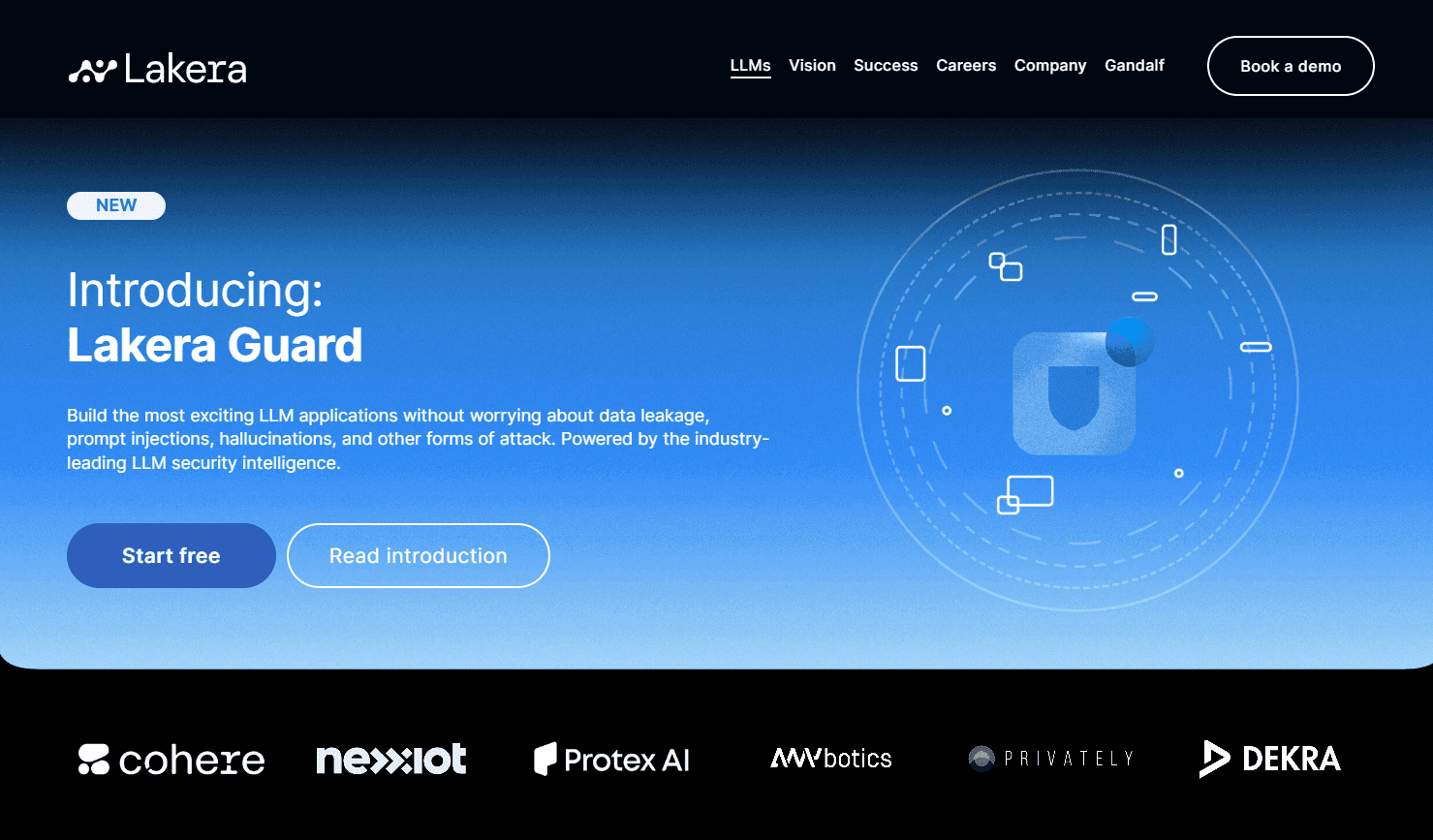
Lakera Guard offers enterprise-grade security for LLMs, mitigating risks like data leakage, prompt injection, and toxic language.
Paid - Inquire
4.8
326

Patronus AI
Automated LLM and agent evaluation platform — detect hallucinations, bias, and performance regressions.
Paid - Inquire
4.78
237
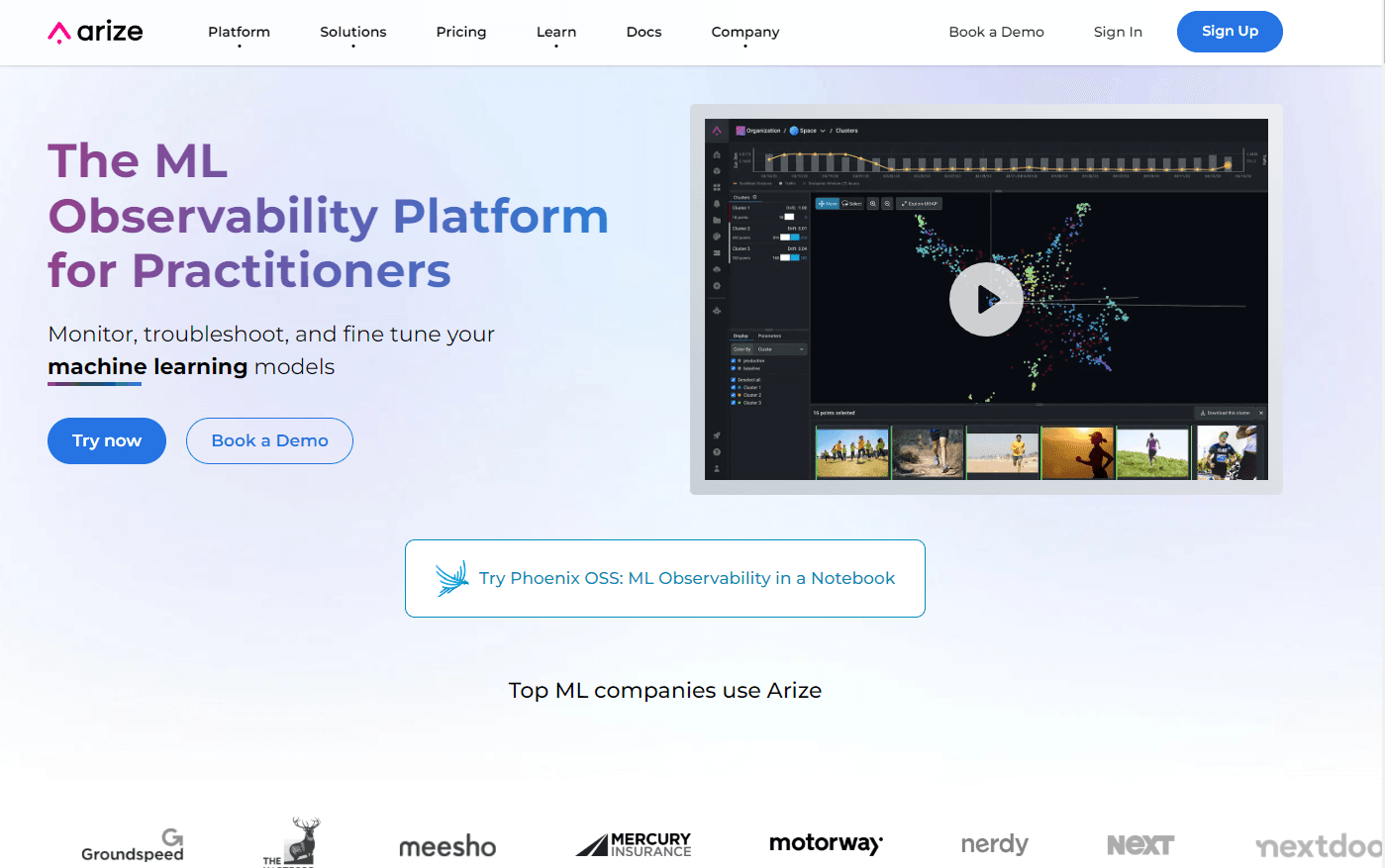

Arize AI
ML observability platform for monitoring and fine-tuning machine learning models.
Paid - $100 /mo
4.8
335
Overview
Guardrails AI is a San Francisco AI reliability company best known for Guardrails, an open-source Python framework for validating and controlling large language model inputs and outputs. It was acquired by legal AI company Harvey in September 2026.
What it does
The Guardrails framework lets developers wrap LLM calls with validators that check for problems such as PII leakage, toxic language, jailbreak attempts, hallucinations, competitor mentions or malformed structured output, then block, fix or re-ask. A community catalogue, the Guardrails Hub, lists dozens of ready-made validators. The company also built Snowglobe, a simulation environment where synthetic users stress-test agents to surface failure modes before launch, and sold an enterprise platform for governing production GenAI.
What happened
On July 6, 2026, Guardrails announced it would retire the guardrails hub install command, its private validator registry and its free hosted remote-inference servers on August 25, 2026, moving validators to standard PyPI packages. On September 9, 2026, Harvey announced it had acquired Guardrails AI on undisclosed terms, its fourth acquisition of 2026. Co-founders Shreya Rajpal and Zayd Simjee and their team joined Harvey's product and engineering organisation to work on agent reliability. The open-source framework remains on GitHub under the Apache-2.0 licence.
Alternatives
- NVIDIA NeMo Guardrails for open-source programmable rails around LLM apps.
- Lakera Guard for prompt-injection and data-leak protection as an API.
- Llama Guard from Meta for open-weight input and output safety classification.
- Galileo for LLM evaluation, observability and runtime protection.
FAQ
Who owns Guardrails AI? Harvey acquired Guardrails AI in September 2026. The founding team now works inside Harvey.
Is the Guardrails open-source library still available? Yes. The framework remains on GitHub under Apache-2.0 and validators install from public PyPI. The hosted Hub installer and remote inference ended on August 25, 2026.
How much did Harvey pay for Guardrails AI? The terms were not disclosed.
Related
Looking for more options? Browse the Security & Governance directory or the LLM Observability & Evals category, or visit the AI Graveyard.
Why Use Guardrails AI